
April 16, 2026
Trekking Season in Nepal
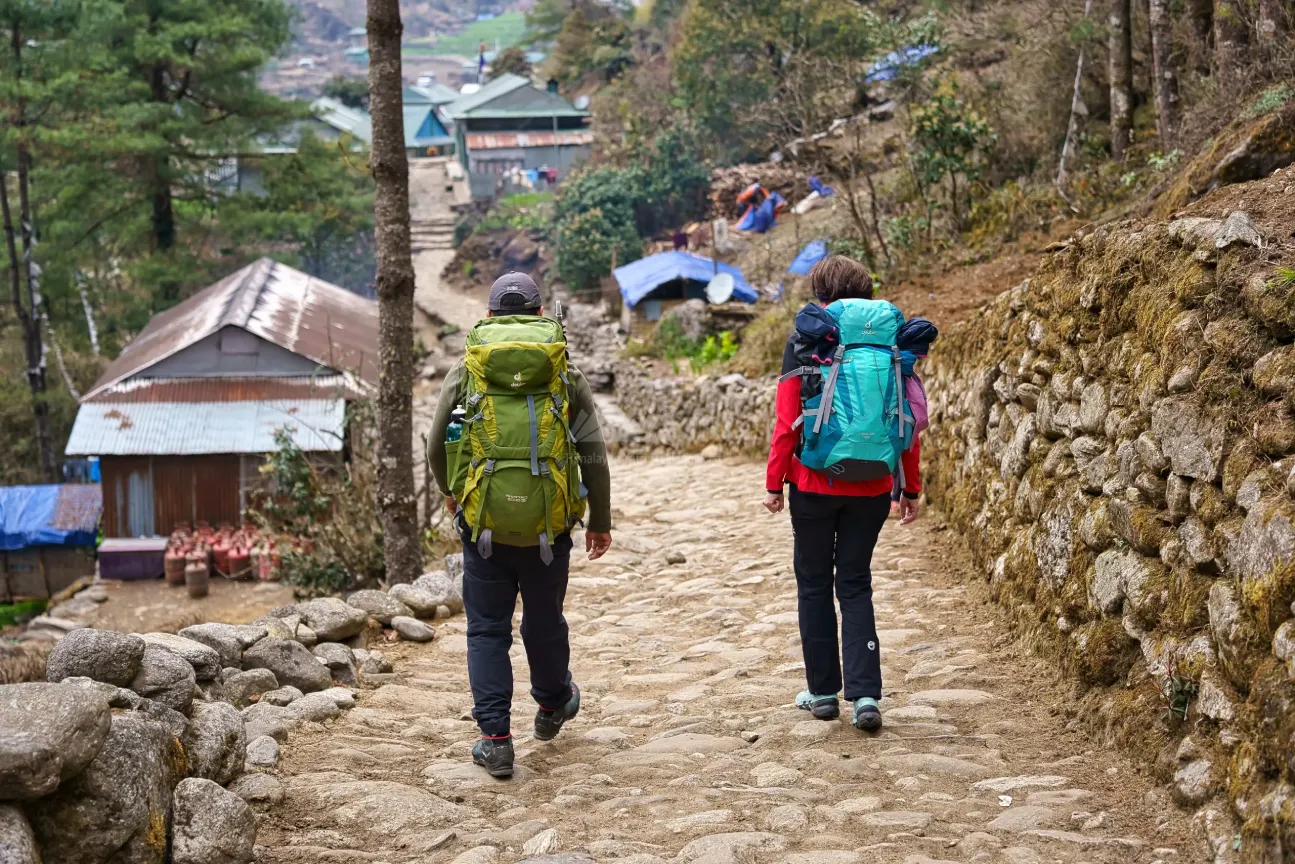
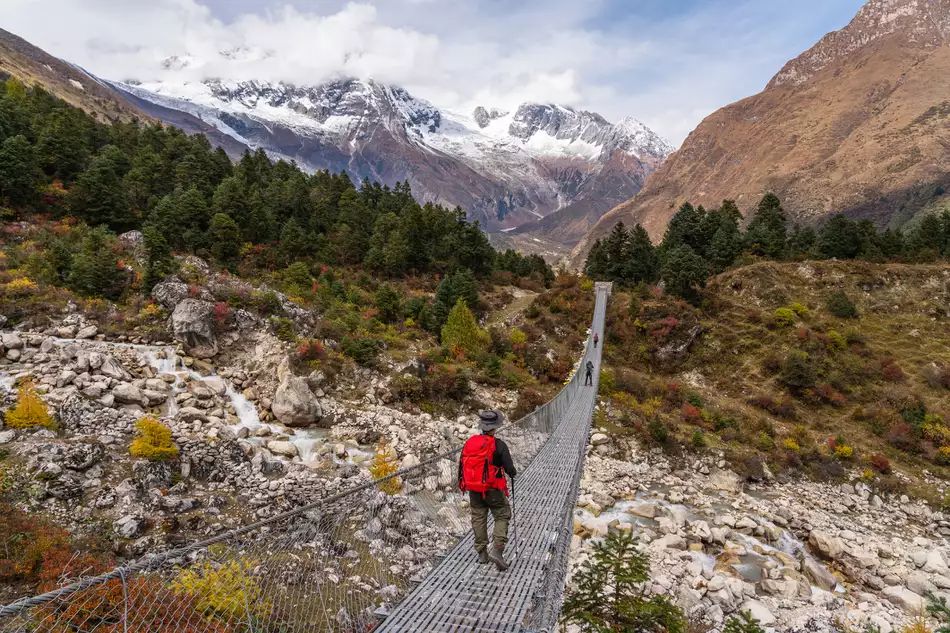
Trekking in Nepal is one of the most rewarding outdoor experiences in the world, attracting thousands of travelers every year to the Himalayas. From the legendary Everest Base Camp routes to the scenic Annapurna trails, Nepal offers trekking adventures for beginners as well as experienced hikers. However, choosing the right trekking season in Nepal is crucial for safety, comfort, mountain visibility, and overall experience.
The trekking conditions in Nepal vary greatly throughout the year due to changing weather patterns, altitude differences, and monsoon influence. While some months offer crystal-clear skies and breathtaking Himalayan views, others bring heavy rainfall, snow, or limited trail accessibility. Understanding the Nepal trekking seasons helps travelers plan better, avoid risks, and enjoy the journey to the fullest.
Generally, Nepal has four distinct trekking seasons: spring, autumn, winter, and monsoon. Among these, spring and autumn are considered the most popular due to stable weather and excellent visibility. However, each season has its own charm depending on the region and trekking route.
Overview of Nepal’s Climate and Trekking Conditions
Nepal’s climate is extremely diverse due to its dramatic elevation changes, ranging from lowland Terai regions to the world’s highest mountains. This variation directly affects trekking conditions throughout the year. Understanding the country’s climate is essential when planning trekking in Nepal.
The country experiences four main seasons: spring, summer (monsoon), autumn, and winter. In the Himalayas, weather conditions can change rapidly within a single day. Lower regions remain relatively warm, while higher altitudes can experience freezing temperatures even during peak trekking seasons.
Monsoon months bring heavy rainfall, making trails slippery and reducing visibility in many popular trekking regions. On the other hand, winter brings snowfall at high elevations, sometimes blocking passes but offering peaceful, snow-covered landscapes. Spring and autumn provide the most stable trekking conditions with clear skies and moderate temperatures.
Altitude plays a major role in trekking difficulty. As trekkers ascend, temperatures drop significantly, and oxygen levels decrease, making proper acclimatization important. Weather forecasts are less predictable in remote mountain regions, so preparation is key.
Overall, Nepal’s trekking climate demands careful planning, but it also ensures diverse experiences throughout the year, from lush green valleys to snowy Himalayan peaks.
Spring Season (March to May) – Best Time for Rhododendron Trails
Spring is one of the most beautiful and popular trekking seasons in Nepal. From March to May, the weather becomes warmer, skies are generally clear, and nature comes alive with vibrant colors. This season is especially famous for blooming rhododendron forests, which paint the hillsides in red, pink, and white.
Temperatures during spring are moderate, making it comfortable for long trekking days. At lower elevations, the weather is pleasantly warm, while higher regions remain cool but manageable. This balance makes spring ideal for trekking routes like Everest Base Camp, Annapurna Circuit, and Langtang Valley.
One of the biggest highlights of spring trekking is the excellent visibility of the Himalayan peaks. Trekkers can enjoy panoramic mountain views without heavy cloud cover. Wildlife activity also increases during this time, adding to the natural experience.
However, spring is also a busy trekking season. Popular trails may experience moderate crowd levels, especially in well-known regions. Early booking of permits and accommodations is recommended.
Despite the crowds, the combination of stable weather, natural beauty, and blooming landscapes makes spring one of the best trekking seasons in Nepal for both beginners and experienced trekkers.
Autumn Season (September to November) – Peak Trekking Season in Nepal
Autumn is widely regarded as the best trekking season in Nepal. From September to November, the monsoon rains end, leaving behind fresh, clean air and crystal-clear mountain views. The weather becomes stable, dry, and ideal for trekking in almost all regions of the country.
During this season, temperatures are comfortable during the day and slightly colder at night, especially at higher altitudes. The skies remain consistently clear, offering some of the most breathtaking views of Himalayan giants like Everest, Annapurna, and Manaslu.
Autumn is considered the peak trekking season, meaning trails are lively and well-serviced. Tea houses, guides, and trekking infrastructure operate at full capacity. This makes it a safe and convenient time for both first-time trekkers and seasoned hikers.
Major trekking routes such as Everest Base Camp, Annapurna Base Camp, and Upper Mustang see high visitor traffic. While this adds vibrancy to the experience, it is advisable to book accommodations and guides in advance.
Overall, autumn offers the perfect balance of weather, visibility, and trail conditions, making it the most recommended trekking season in Nepal for unforgettable Himalayan adventures.
Winter Season (December to February) – Cold but Peaceful Trekking Experience
Winter trekking in Nepal offers a completely different experience. From December to February, the mountains are covered in snow, and temperatures drop significantly, especially at higher elevations. Despite the cold, winter trekking is peaceful and rewarding for those who enjoy solitude and snowy landscapes.
The biggest advantage of winter is the low number of trekkers on the trails. Popular routes become quiet, allowing for a more personal and immersive experience. The views of snow-covered peaks are stunning, especially during clear days.
However, winter trekking requires careful planning. High passes may be blocked due to heavy snowfall, and some remote tea houses may close for the season. Treks like Ghorepani Poon Hill, lower Annapurna regions, and cultural trails in Langtang are better suited for winter.
Proper winter gear, including thermal clothing, insulated jackets, gloves, and sleeping bags, is essential. Trekking during this season is best suited for experienced hikers or those prepared for cold conditions.
In summary, winter trekking in Nepal is ideal for travelers seeking peaceful trails, snowy beauty, and a more challenging Himalayan adventure.
Monsoon Season (June to August) – Off-Season Adventure
The monsoon season in Nepal lasts from June to August and brings heavy rainfall across most trekking regions. This is generally considered the off-season for trekking due to slippery trails, leeches in lower forests, and reduced visibility in the mountains.
Despite the challenges, monsoon trekking has its unique advantages. The landscapes become lush and green, rivers flow powerfully, and the environment feels fresh and alive. Trekkers who prefer solitude will find very few crowds during this time.
Certain regions lie in rain-shadow areas and remain suitable for trekking even during monsoon. These include Upper Mustang and parts of Dolpo, which receive minimal rainfall and offer dry, desert-like landscapes.
Travel during monsoon requires waterproof gear, strong trekking boots, and flexible planning due to possible delays. Flights to mountain regions may also be affected by weather conditions.
While monsoon trekking is not ideal for beginners, adventurous travelers can still enjoy a unique and less commercialized Himalayan experience during this season.
Best Overall Time for Trekking in Nepal
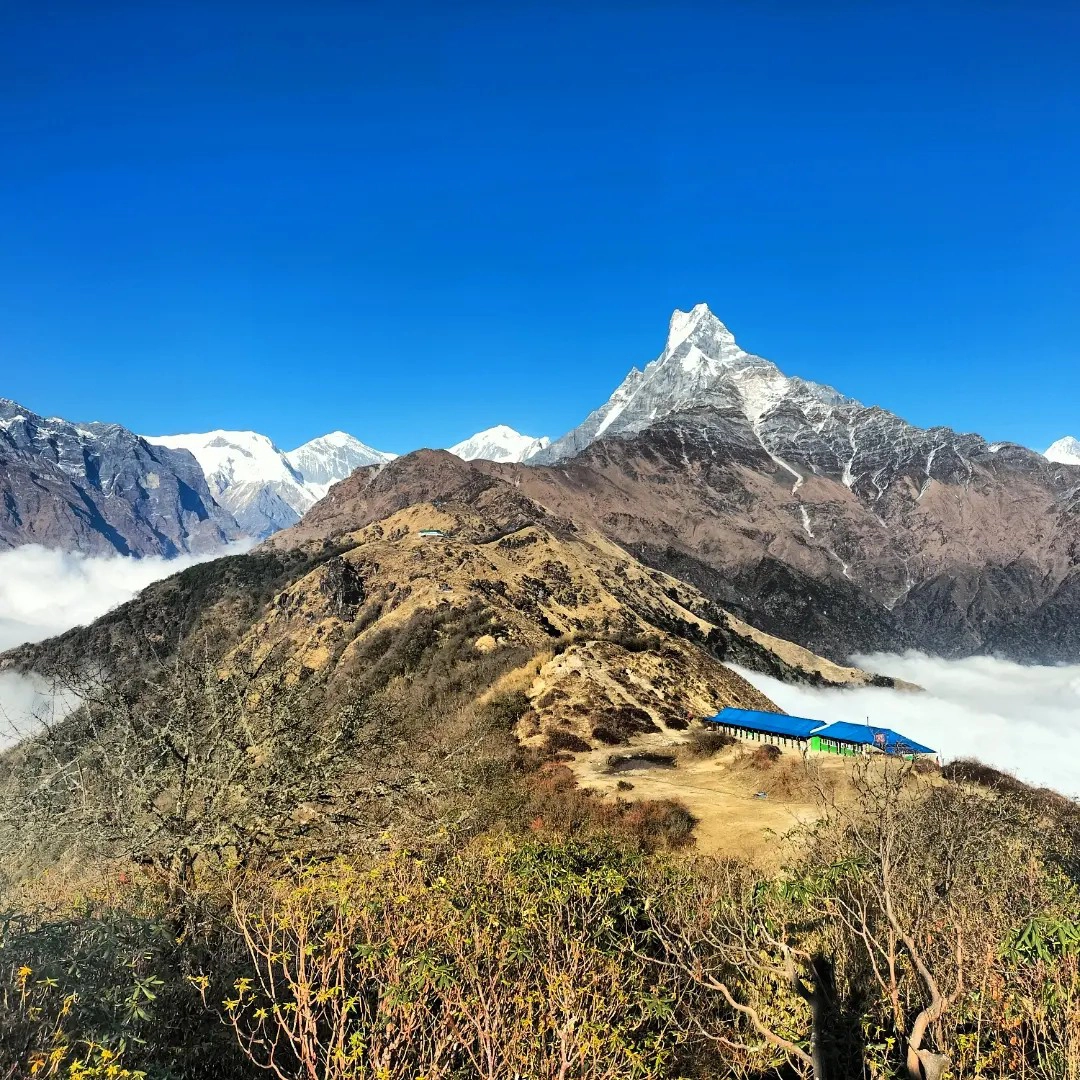
The best trekking season in Nepal depends on what kind of experience you are looking for. However, two seasons stand out clearly: spring (March–May) and autumn (September–November). These months offer the most reliable weather, excellent visibility, and safe trail conditions.
Autumn is generally considered the absolute best time for trekking due to post-monsoon clarity and stable weather. Spring, on the other hand, offers beautiful landscapes with blooming flowers and slightly warmer conditions.
For beginners, autumn is ideal due to predictable weather and better infrastructure support. Experienced trekkers may also enjoy spring for its scenic diversity. Winter and monsoon are more specialized seasons suitable for those seeking solitude or offbeat adventures.
Ultimately, the best time depends on your trekking destination, physical fitness, and personal preference for weather and crowd levels.
Region-Wise Best Trekking Seasons in Nepal
Different trekking regions in Nepal have different ideal seasons due to geography and climate variations.
The Everest region is best visited during spring and autumn for clear views of Mount Everest and surrounding peaks. The Annapurna region also follows the same seasonal pattern but offers more flexibility due to varied altitudes.
The Langtang region is accessible almost year-round, though spring and autumn provide the best combination of safety and visibility. Meanwhile, Mustang and Dolpo are unique rain-shadow regions that can be trekked even during the monsoon season.
Understanding regional differences helps trekkers choose the right route based on timing and expected conditions.
Tips for Choosing the Right Trekking Season
Choosing the right trekking season in Nepal depends on preparation and personal preference. Beginners should prioritize stable seasons like autumn or spring for safety and comfort. Experienced trekkers can explore winter or monsoon routes for more challenging adventures.
Always check weather forecasts before starting your trek and ensure proper gear is packed according to the season. Hiring local guides can improve safety and enhance cultural experiences.
Booking permits, accommodation, and transportation in advance is highly recommended during peak seasons.
Conclusion – Choosing the Perfect Trekking Season in Nepal
Nepal offers trekking opportunities throughout the year, but each season provides a unique Himalayan experience. Spring and autumn are the most popular due to perfect weather and visibility, while winter and monsoon cater to more adventurous travelers seeking solitude and raw natural beauty.
The best trekking season in Nepal ultimately depends on your goals, fitness level, and preferred trekking region. With proper planning and preparation, every season can offer an unforgettable journey through the world’s highest mountains.
FAQs on Trekking Season in Nepal
What is the best trekking season in Nepal?
The best trekking seasons in Nepal are spring (March to May) and autumn (September to November). These months offer stable weather, clear mountain views, and comfortable temperatures, making them ideal for most trekking routes.
Can I trek in Nepal during the monsoon season?
Yes, trekking is possible during the monsoon (June to August), but it is more challenging due to heavy rainfall, slippery trails, and poor visibility. However, rain-shadow regions like Upper Mustang and Dolpo are excellent monsoon trekking destinations.
Is winter a good time for trekking in Nepal?
Winter (December to February) is suitable for trekking in lower-altitude regions. High-altitude treks may be blocked by snow, but you can still enjoy peaceful trails, clear skies, and fewer crowds in places like Ghorepani and lower Annapurna.
Which month has the clearest views of the Himalayas?
October and November offer the clearest mountain views after the monsoon season. The air is fresh, dust-free, and visibility is at its peak, making it perfect for photographing Himalayan ranges.
Is trekking in Nepal safe during all seasons?
Trekking in Nepal is generally safe if you choose the right season and follow proper preparation. Spring and autumn are the safest, while monsoon and winter require more experience and careful planning.
What is the cheapest trekking season in Nepal?
The monsoon season (June to August) and winter season (December to February) are usually the cheapest due to fewer tourists. Accommodation and guide prices are often lower compared to peak seasons.
Do I need a guide for trekking in Nepal?
A guide is not always mandatory for all routes, but it is highly recommended—especially for remote or high-altitude treks. Guides improve safety, navigation, and provide cultural insights.
Which trekking season is best for beginners in Nepal?
Autumn (September to November) is the best season for beginners. The weather is stable, trails are busy and well-maintained, and there is better support infrastructure along popular trekking routes.