

October 30, 2026
Langtang Valley Trek Difficulty: A Complete Guide for Beginners
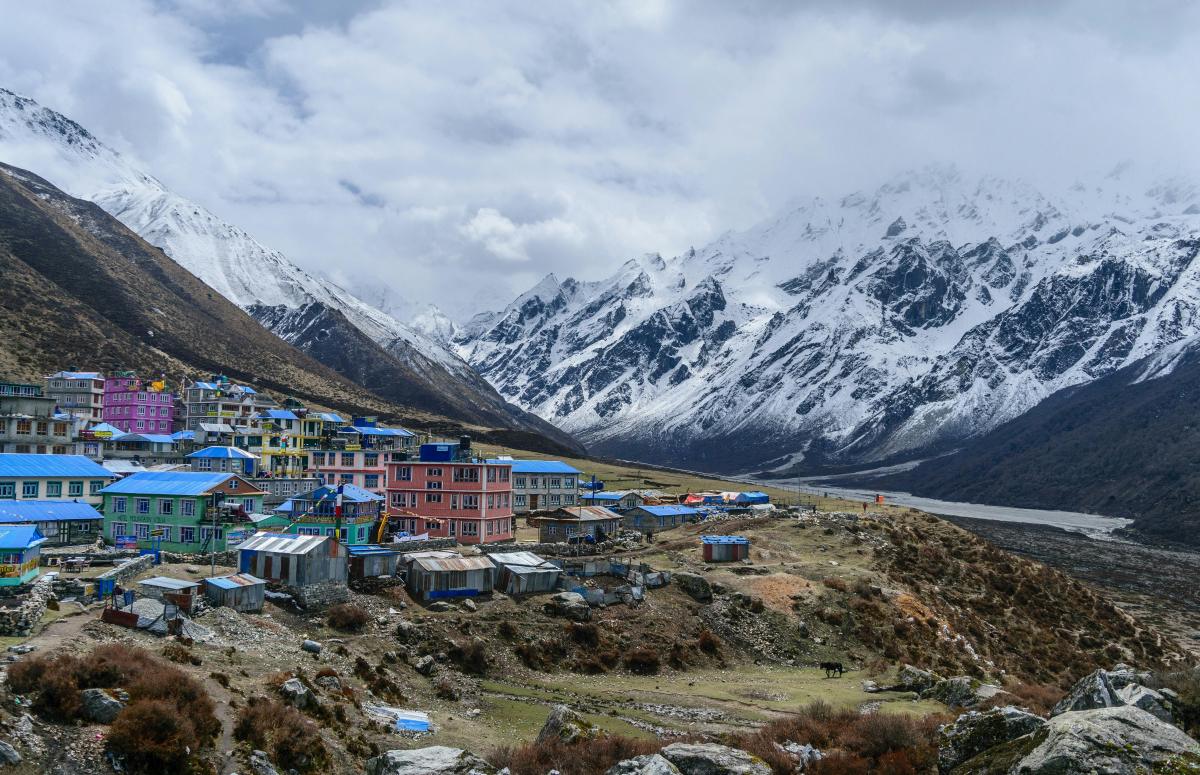
The Langtang Valley Trek difficulty level is generally moderate, making it a suitable option for reasonably fit beginners and experienced trekkers who want to explore the Nepalese Himalayas without attempting a technical climbing route. However, the trek still involves several days of walking, steep uphill sections, rocky trails, and increasing altitude, which can make the journey physically demanding.
Located in Langtang National Park in northern Nepal, the trek takes you through forests, traditional Tamang villages, river valleys, and alpine landscapes before reaching Kyanjin Gompa at approximately 3,870 metres. You can also extend your adventure with optional hikes to Kyanjin Ri or Tserko Ri, which require additional stamina and acclimatisation.
You do not need mountaineering skills to complete the classic Langtang Valley route. However, you should prepare for consecutive walking days, changing weather, and the effects of high altitude.
This guide explains how difficult the Langtang Valley Trek is, what challenges to expect, whether beginners can complete it, how to prepare physically, and how it compares with other popular treks in Nepal.
Langtang Valley Trek Difficulty at a Glance
The Langtang Valley Trek is a moderate Himalayan trekking route, but the difficulty varies according to your fitness, walking pace, itinerary, and the conditions on the trail. While some sections follow relatively gradual paths through villages and forests, others involve sustained uphill climbs and long descents. Altitude also becomes increasingly important as you approach Kyanjin Gompa and the surrounding viewpoints.
Understanding the main trekking details before departure will help you decide whether this route suits your experience and physical condition. The following table provides a general overview of what to expect on the classic Langtang Valley Trek.
| Trekking factor | Details |
| Overall difficulty | Moderate |
| Trekking duration | Around 7–10 days, including travel from Kathmandu |
| Starting point | Syabrubesi |
| Highest overnight stop | Kyanjin Gompa, approximately 3,870 m |
| Optional high-altitude hikes | Kyanjin Ri and Tserko Ri |
| Daily walking time | Commonly around 4–7 hours, depending on the itinerary |
| Trail conditions | Forest paths, stone steps, rocky sections, and steep ascents and descents |
| Technical climbing | Not required for the classic valley trek |
| Previous trekking experience | Helpful but not essential |
| Main challenges | Altitude, physical endurance, steep terrain, and changing weather |
These figures are general planning estimates. Walking hours depend on your pace, itinerary, weather, trail conditions, and whether you include optional viewpoints.
How Difficult Is the Langtang Valley Trek?
The Langtang Valley Trek is moderately challenging because it combines consecutive days of walking with significant elevation gain. You do not need to be an athlete, but you should be comfortable walking for several hours over uneven terrain.
The trek begins at Syabrubesi and follows the Langtang Khola through forests and mountain settlements. As you progress towards Langtang Village and Kyanjin Gompa, the trail gradually gains elevation and the surrounding landscape becomes more alpine.
The main difficulty is not technical climbing. Instead, it is managing your energy over multiple days while adjusting to thinner air at higher elevations.
Several factors determine how difficult the trek will feel:
- Physical fitness: Your stamina affects how comfortably you manage long walking days and steep climbs.
- Altitude: Walking becomes more demanding as oxygen availability decreases with elevation.
- Trail conditions: Rocky paths, uneven steps, and steep descents can put extra strain on your legs.
- Weather: Rain, snow, cold temperatures, and slippery trails may increase the difficulty.
- Itinerary: A rushed schedule can make the trek more tiring, especially if it leaves little time to rest or acclimatise.
For a reasonably fit beginner, the classic route is achievable with preparation, a sensible pace, and adequate time. Optional high-altitude hikes can make the experience considerably more demanding.
What Makes the Langtang Valley Trek Challenging?
Although the Langtang Valley Trek does not require technical mountaineering, several aspects can make it physically demanding. Understanding these challenges before your trip helps you prepare the right equipment, develop suitable fitness, and choose an itinerary that matches your abilities.
The difficulty also changes throughout the journey. Lower sections may feel warmer and more humid, while higher elevations can be cold and physically demanding. Some days involve long ascents, while others include extended descents that place pressure on your legs.
Steep uphill climbs
Some sections of the Langtang Valley trail involve sustained climbing through forests, along rivers, and over rocky paths. The ascent from Syabrubesi towards Lama Hotel can be particularly tiring because of the elevation gain and uneven terrain.
You may need to walk slowly, take short breaks, and manage your breathing to maintain a comfortable pace.
The best approach is to avoid rushing at the beginning of the day. A steady pace usually makes it easier to conserve energy for the following stages.
Long walking days
Depending on your itinerary, you may spend approximately four to seven hours walking on a trekking day, sometimes longer when trail conditions or optional hikes require it.
Walking for several consecutive days can be more tiring than completing a single long hike. Your legs may feel sore, particularly during descents, and carrying a backpack can increase the effort.
Regular walking practice before departure can help your body adjust to this type of activity.
Rocky and uneven trails
The trail passes through forested areas, settlements, river crossings, and open mountain terrain. You should expect uneven ground, stone steps, and occasional slippery sections.
Good trekking boots with reliable grip can make a significant difference. Trekking poles can also help you maintain balance and reduce strain on your knees during descents.
Cold weather at higher elevations
Even when daytime conditions feel comfortable in lower sections, temperatures can drop considerably at night near Kyanjin Gompa.
Cold weather can make early starts and long walking days more uncomfortable, particularly if you do not have suitable clothing.
Pack layered clothing, a warm insulated jacket, gloves, and other essentials appropriate for the season.
Altitude and reduced oxygen
Altitude is one of the most important factors affecting the difficulty of the Langtang Valley Trek.
Kyanjin Gompa sits at approximately 3,870 metres, where the reduced oxygen availability can affect even physically fit trekkers. Some people may experience headaches, nausea, dizziness, unusual fatigue, or difficulty sleeping.
Fitness alone does not prevent altitude sickness. Ascending gradually, allowing time for acclimatisation, and recognising symptoms are essential parts of safe trekking.
Langtang Valley Trek Difficulty by Route Section
The difficulty of the Langtang Valley Trek changes from one section to another. Some days involve sustained climbing through forests, while others are shorter but take you to higher elevations. Understanding the route can help you anticipate the physical demands and decide how much time to allow for each stage.
A typical itinerary begins with a drive from Kathmandu to Syabrubesi, followed by several days of trekking towards Lama Hotel, Langtang Village, and Kyanjin Gompa. Many trekkers spend additional time exploring the upper valley before retracing their route towards Syabrubesi.
The following table provides approximate walking times for a common itinerary. These are not guaranteed timings: your pace, weather, trail conditions, breaks, and the exact overnight stops can change the duration considerably.
| Route section | Approximate walking time | Difficulty |
| Syabrubesi to Lama Hotel | 5–7 hours | Moderate to challenging |
| Lama Hotel to Langtang Village | 5–7 hours | Moderate |
| Langtang Village to Kyanjin Gompa | 3–4 hours | Moderate |
| Kyanjin Gompa exploration or viewpoint hike | 3–7 hours, depending on destination | Moderate to challenging |
| Kyanjin Gompa to Lama Hotel | 5–7 hours | Moderate to challenging |
| Lama Hotel to Syabrubesi | 5–7 hours | Moderate to challenging |
Walking times are estimates and can vary considerably. Some itineraries split the return journey differently, and viewpoint hikes are not included in the standard route to Kyanjin Gompa.
Syabrubesi to Lama Hotel
This section can be one of the more physically demanding days of the trek. The trail follows the river through forested terrain, with repeated uphill and downhill sections.
Although the scenery is beautiful, the combination of elevation gain and several hours of walking can be tiring if you are not accustomed to hiking.
Take regular short breaks and avoid starting too quickly.
Lama Hotel to Langtang Village
The trail continues through forested areas before opening into wider mountain landscapes. The gradual gain in elevation can make walking feel more strenuous as you approach Langtang Village.
Keep your pace comfortable and drink water regularly. If you experience symptoms that may indicate altitude sickness, do not continue ascending until you have assessed the situation appropriately.
Langtang Village to Kyanjin Gompa
This section is generally shorter than the previous walking days, but you continue to gain altitude.
The landscape becomes more open, with views of surrounding peaks and the upper valley. Arriving at Kyanjin Gompa is a major highlight of the trek, but it is also the point where altitude deserves particular attention.
Use the remaining time to rest, hydrate, and adjust to the elevation.
Kyanjin Gompa and the return journey
You can spend an additional day exploring the area or attempting a viewpoint hike. The difficulty depends on your chosen destination and current conditions.
The descent towards Lama Hotel and Syabrubesi can also be tiring. Although you are losing altitude, long downhill sections put pressure on your knees and leg muscles.
Trekking poles, suitable footwear, and controlled steps can help make the return journey more comfortable.
How Difficult Are Kyanjin Ri and Tserko Ri?
Many trekkers extend their Langtang Valley experience with a hike above Kyanjin Gompa. These viewpoints offer wider mountain panoramas, but they are significantly more demanding than the main valley trail.
Kyanjin Ri
Kyanjin Ri is a popular viewpoint reached by a steep uphill hike from Kyanjin Gompa. The climb involves sustained elevation gain and can feel difficult because of the altitude.
The exact hiking time depends on the route, your pace, and conditions. Allow several hours for the ascent and descent, and begin only when the weather and your physical condition are suitable.
Tserko Ri
Tserko Ri is a more demanding option that takes trekkers to a higher viewpoint, commonly listed at around 4,984 metres.
The route involves a substantial climb at high altitude, and the thinner air can make each step feel harder. It is not necessary to climb Tserko Ri to complete the classic Langtang Valley Trek.
| Feature | Kyanjin Ri | Tserko Ri |
| Difficulty | Moderate to challenging | Challenging |
| Main challenge | Steep ascent at altitude | Longer, higher-altitude climb |
| Physical demand | High compared with the valley trail | Generally greater |
| Best suited for | Trekkers comfortable with steep uphill hiking | Well-prepared trekkers with suitable acclimatisation |
| Required for the classic trek? | No | No |
Actual difficulty varies with the chosen route, weather, snow, fitness, and acclimatisation. Do not attempt either viewpoint simply because it appears on an itinerary. Your health and local conditions should determine whether you proceed.
Is Langtang Valley Trek Difficult for Beginners?
The Langtang Valley Trek can be suitable for beginners who have reasonable fitness, prepare beforehand, and choose an itinerary that allows enough time for the journey.
You do not necessarily need previous Himalayan trekking experience. However, being able to walk comfortably for several hours on uneven trails is important.
The trek may be a good first Himalayan adventure if you:
- Can walk for several hours without excessive fatigue.
- Have time to build your stamina before departure.
- Are comfortable walking uphill and downhill.
- Carry appropriate clothing, footwear, and equipment.
- Understand the risks of high altitude.
- Are willing to slow down or change plans when necessary.
Beginners should not assume that the trek will be easy simply because it does not require technical climbing.
If you are new to trekking, consider a gradual training programme and avoid an itinerary that forces you to cover long distances too quickly. A guide can help with pacing, route decisions, local conditions, and recognising potential problems.
How Fit Do You Need to Be for Langtang Valley Trek?
You do not need exceptional athletic ability, but you should develop enough endurance to walk for several hours on consecutive days.
A useful preparation goal is to become comfortable with sustained walking, moderate uphill climbs, and longer hikes while carrying a light daypack.
Your training should focus on three main areas.
Cardiovascular endurance
Walking, jogging, cycling, or using a stair machine can improve your aerobic fitness.
Start with manageable sessions and gradually increase their duration. The goal is to improve endurance without exhausting yourself or risking injury before the trek.
Leg strength
Stronger legs can make climbing and descending more comfortable.
Exercises such as squats, step-ups, lunges, and calf raises can help build strength for uneven terrain. Begin with a level suitable for your current fitness and increase gradually.
Hiking practice
Walking on real trails is one of the most useful ways to prepare.
If possible, practise on hills, stairs, or uneven paths. Gradually increase your walking time and use the footwear and daypack you plan to take on the trek.
How Does the Season Affect Langtang Valley Trek Difficulty?
The same route can feel very different depending on the time of year. Weather conditions influence trail surfaces, visibility, temperature, and the overall comfort of walking.
According to the Nepal Tourism Board’s Langtang National Park information, spring and autumn are the main recommended trekking seasons, while winter brings colder conditions and monsoon can bring rainfall.
Spring: March to May
Spring is generally a favourable time for the trek. Daytime conditions can be comfortable, forests become colourful with blooming rhododendrons, and walking is often pleasant.
However, snow may remain at higher elevations, particularly earlier in the season. Afternoon clouds and rain can also occur.
Autumn: September to November
Autumn is another excellent season, especially when post-monsoon conditions bring clearer skies and relatively favourable trail conditions.
October and early November are popular choices. Colder nights become more noticeable as the season progresses.
Winter: December to February
Winter can make the trek more challenging because of freezing temperatures, possible snowfall, and icy trail sections.
Trekkers need suitable cold-weather equipment and should check current trail and accommodation conditions before departure.
Monsoon: June to August
Rainfall can make trails muddy and slippery. Landslides and road disruptions may also affect access to Syabrubesi.
The trek may still be possible when conditions allow, but greater flexibility and careful local planning are necessary.
For most beginners, spring and autumn are sensible choices because conditions are generally more favourable than during the main winter and monsoon periods.
Langtang Valley Trek vs Other Popular Treks in Nepal
If you are deciding between several trekking destinations, comparing the general difficulty can help you choose a suitable route.
| Trek | General difficulty | Main challenge |
| Langtang Valley Trek | Moderate | Sustained walking and altitude |
| Mardi Himal Trek | Moderate | Steep trails and uphill sections |
| Annapurna Base Camp Trek | Moderate to challenging | Long days, stone steps, and altitude |
| Everest Base Camp Trek | Challenging for many beginners | Higher altitude, duration, and acclimatisation |
| Manaslu Circuit Trek | Challenging | High mountain pass, altitude, and longer itinerary |
These are broad comparisons, not universal rankings. The difficulty of any trek depends on the itinerary, season, your fitness, acclimatisation, and the conditions on the ground.
Langtang Valley can be an appealing option if you want a multi-day Himalayan trek without crossing a high mountain pass on the classic route. However, optional viewpoints can add a considerable physical challenge.
How to Make Langtang Valley Trek Easier
You cannot remove every physical challenge from a Himalayan trek, but sensible planning can make the Langtang Valley Trek more comfortable and manageable. The most useful approach is to prepare before departure, choose a realistic itinerary, carry appropriate equipment, and respond early to signs of fatigue or illness.
Do not feel pressured to maintain the pace of other trekkers. People adapt to altitude and physical exertion differently, and a slower pace can help you conserve energy over several days.
Here are practical ways to make the journey easier.
Choose a realistic itinerary
Avoid trying to complete the trek in too few days. Allow enough time for the ascent, return journey, and an optional exploration day if your schedule permits.
Walk at a steady pace
Start each day slowly, especially during uphill sections. Short, regular breaks are often more useful than pushing yourself until you are exhausted.
Pack light
Carry the essentials without adding unnecessary weight. A heavy backpack can make steep climbs and descents more tiring.
If you use a porter, keep your own daypack light and carry the water, warm clothing, snacks, and emergency essentials you may need during the day.
Use suitable footwear
Wear trekking boots or shoes that fit well and provide good traction. Break them in before the trip to reduce the risk of blisters.
Eat and drink regularly
Maintain regular meals and hydration throughout the day. Carry snacks that are easy to eat while walking, and make sure your drinking water is safe.
Allow time to acclimatise
Avoid ascending too quickly, particularly as you approach higher settlements. Follow a sensible itinerary and understand that altitude symptoms can occur regardless of your fitness.
Listen to your body
Muscle soreness and tiredness are common after long walking days, but symptoms such as a worsening headache, nausea, dizziness, or unusual weakness should not be ignored.
If altitude sickness is suspected, stop ascending and seek advice. Severe symptoms, including confusion, difficulty walking straight, or breathlessness at rest, require urgent assistance and descent. Never continue higher to complete a planned viewpoint hike when you are unwell.
What Should You Pack for a Moderate-Difficulty Trek?
Your equipment should help you manage uneven trails, changing weather, and colder conditions at higher elevations.
Here are the main essentials:
- Trekking boots: Comfortable footwear with good grip.
- Layered clothing: Base layers, insulating layers, and a warm outer layer.
- Waterproof jacket and trousers: Useful for rain and unexpected weather changes.
- Warm hat and gloves: Particularly important for mornings and evenings at higher elevations.
- Trekking poles: Helpful for balance and reducing strain during descents.
- Daypack: Large enough for water, snacks, extra clothing, and essential items.
- Water bottle and purification method: To help ensure safe drinking water.
- Sunglasses and sunscreen: Protection against strong sunlight at altitude.
- Headlamp: Useful for early starts and low-light conditions.
- Personal medication and first-aid essentials: Including any prescribed medicines you need.
- Sun protection and lip balm: Helpful in exposed mountain environments.
If you plan to trek in winter or attempt Tserko Ri, review your equipment needs carefully. The standard packing list may need additional cold-weather or route-specific items.
Frequently Asked Questions About Langtang Valley Trek Difficulty
1. What is the difficulty level of Langtang Valley Trek?
The Langtang Valley Trek is generally rated moderate. It involves several days of walking, uphill climbs, uneven trails, and high-altitude conditions, but the classic route does not require technical climbing skills.
2. Can beginners do Langtang Valley Trek?
Yes. Beginners with reasonable fitness can complete the classic route if they prepare beforehand, walk at a steady pace, and follow an itinerary that allows enough time for acclimatisation. Previous trekking experience is helpful but not essential.
3. How many hours do you walk each day on Langtang Valley Trek?
Many trekking days involve around four to seven hours of walking. Some days may be shorter or longer depending on your route, pace, weather, and optional viewpoint hikes.
4. What is the hardest part of Langtang Valley Trek?
The long uphill sections, especially the climb towards Lama Hotel, can be physically demanding. Altitude and long descents also contribute to the difficulty. For those who attempt it, the optional Tserko Ri hike is more demanding than the standard route.
5. Do I need previous trekking experience for Langtang Valley Trek?
No, previous trekking experience is not essential for the classic route. However, you should be comfortable walking for several hours on uneven terrain and should prepare your endurance before departure.
6. Is Langtang Valley Trek harder than Everest Base Camp?
Everest Base Camp is generally more challenging for many trekkers because of its higher sleeping elevations and longer acclimatisation requirements. Langtang Valley is still a high-altitude trek, so it should not be treated as an easy walk.
7. What is the highest altitude on Langtang Valley Trek?
Kyanjin Gompa, at approximately 3,870 metres, is the main overnight destination on the classic route. Optional hikes such as Tserko Ri reach considerably higher elevations, approaching 5,000 metres.
8. Can I do Langtang Valley Trek without a guide?
Guide and registration requirements can change and may depend on current government rules. Confirm the latest requirements before travelling. A qualified local guide can also help with route decisions, trail conditions, and safety.
9. How should I prepare physically for Langtang Valley Trek?
Build cardiovascular endurance with regular walking, hiking, or cycling. Include leg-strength exercises and practise walking on hills or uneven trails. Gradually increase your training and allow enough time to recover.
10. What is the best time to do Langtang Valley Trek?
Spring, from March to May, and autumn, from September to November, are the main recommended seasons. April and October are particularly popular choices, although conditions vary from year to year.
11. Is Langtang Valley Trek suitable for people who are not very fit?
People with low fitness levels may find the trek difficult because it involves consecutive walking days and significant elevation gain. Building endurance before departure and choosing a flexible itinerary can help. Anyone with health concerns should consult a qualified healthcare professional before undertaking high-altitude trekking.
12. Is Tserko Ri necessary to complete Langtang Valley Trek?
No. Tserko Ri is an optional high-altitude hike. You can complete the classic Langtang Valley Trek by reaching Kyanjin Gompa and returning along the valley without climbing Tserko Ri.
Final Thoughts
The Langtang Valley Trek difficulty level is moderate, making it an appealing choice for trekkers who want to experience the Nepalese Himalayas without attempting technical mountaineering. However, the journey still requires physical preparation, careful pacing, and an understanding of altitude.
The most challenging parts are usually the sustained uphill climbs, consecutive walking days, and the effects of increasing elevation. Optional hikes to Kyanjin Ri and Tserko Ri add another level of difficulty and should be considered separately from the classic route.
If you are planning your first Himalayan trek, start preparing early, choose a realistic itinerary, and consider trekking during spring or autumn when conditions are generally more favourable.
With sensible preparation and respect for the mountain environment, Langtang Valley can offer a rewarding trekking experience filled with Himalayan scenery, local culture, and unforgettable mountain landscapes.
Related Blogs & Articles
October 29, 2026
Langtang Valley Trek Best Time: A Complete Seasonal Guide
October 28, 2026
Langtang Valley Trekking Guide: Everything You Need to Know
October 2, 2026
