
October 2, 2026
Best Time for Everest Base Camp Trek
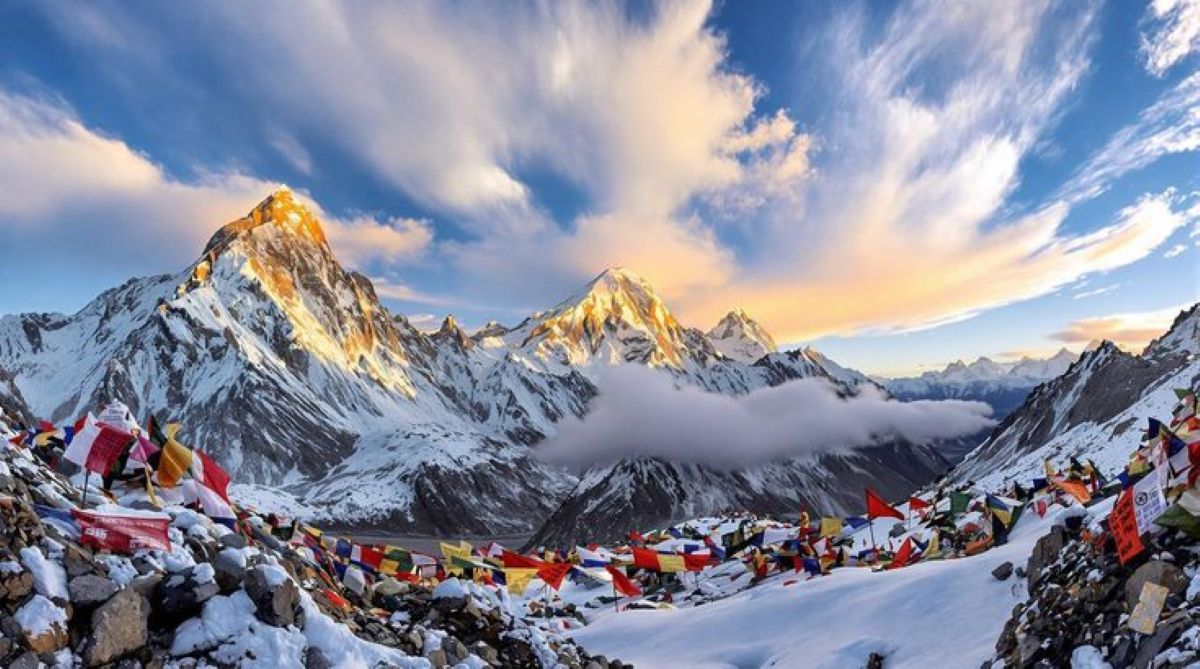
Spring (March to May) and autumn (September to November) are considered the best time for the Everest Base Camp trek. Because of better mountain visibility, relatively stable weather, and more comfortable conditions than the colder winter and wetter monsoon months, these months offer some of the most favorable trekking conditions in the Everest region.
However, each month has its own advantages. April and October are particularly popular, while March, May, September, and November can also be excellent depending on your priorities.
The Everest Base Camp trek is a high-altitude adventure through Nepal’s Khumbu region. The journey takes you through Sherpa villages, Buddhist monasteries, forests, alpine valleys, and dramatic Himalayan landscapes before reaching Everest Base Camp at 5,380 meters. The Himalayan Yatri itinerary is a 12-day trek, with the route also taking you to Kala Patthar at 5,545 meters for sunrise views of Mount Everest and surrounding peaks.
If you are planning your trek and wondering when is the best time to visit Everest Base Camp is, understanding the seasons will help you choose the right month.
When Is the Best Time for Everest Base Camp Trek?
The best time for the Everest Base Camp trek is during spring (March to May) and autumn (September to November), when the weather is generally stable, skies are clearer, and mountain views are spectacular. Spring offers blooming rhododendrons, while autumn brings crisp mountain views and excellent trekking conditions.
For many trekkers, April and October are especially attractive because they generally offer favorable weather and good opportunities for mountain views.
| Month | Weather | Visibility | Crowd Level |
| March | Cold but improving | Good | Moderate |
| April | Stable spring weather | Very good | High |
| May | Warmer, increasingly cloudy | Good | Moderate |
| June | Monsoon begins | Variable | Low |
| July | Wet and cloudy | Limited | Low |
| August | Wet and cloudy | Limited | Low |
| September | Improving conditions | Good | Moderate |
| October | Stable and clear | Excellent | High |
| November | Cold but generally clear | Very good | Moderate |
| December–February | Very cold | Often clear | Low |
Himalayan Yatri currently lists March to May and September to November as the suitable seasons for its Everest Base Camp trek.
Everest Base Camp Trek in Spring
Spring is one of Nepal’s most popular trekking seasons. From March to May, temperatures gradually become warmer, and the weather generally becomes more suitable for long days on the trail.
The lower sections of the Everest trail can become colorful with spring vegetation, while higher elevations continue to offer dramatic, snow-covered mountain scenery.
Spring is also a good season for trekkers who want a balance between favorable conditions and the lively atmosphere of the main trekking season.
March: The Beginning of the Spring Trekking Season
March marks the beginning of the main spring trekking season.
Higher parts of the Everest region can still be very cold, especially in the mornings and at night. However, conditions generally improve as the month progresses.
One advantage of trekking in March is that the trails can be less busy than during the peak months of April and October.
If you enjoy cooler conditions and want to experience the Everest region before the busiest part of spring, March can be a good option.
April: A Popular Month for Everest Base Camp
April is one of the most popular months for the Everest Base Camp trek. The weather is generally suitable for trekking, and spring is well established across the region. The lower sections of the route can offer colorful landscapes, while the higher areas provide spectacular views of peaks such as Everest, Lhotse, Nuptse, and Ama Dablam.
The main disadvantage is that April can be busy. If you plan to trek this month, arrange your flights, accommodation, guide, and other logistics in advance.
May: The End of Spring
May is the final month of the spring trekking season. Early May can still offer good trekking conditions, while temperatures at lower elevations warm up. As the month progresses, cloud cover can gradually increase as Nepal approaches the summer monsoon season. May can therefore be a good option for travelers whose schedule doesn’t allow an April trek.
Everest Base Camp Trek in Autumn
Autumn is another excellent time to trek in the Everest region. After the summer monsoon, skies generally clear, and the mountains can look particularly sharp against the blue sky. September to November is therefore one of the most popular periods for trekking in Nepal.
For travelers whose priority is mountain visibility, autumn is particularly attractive.
September: The Transition Into Autumn
September is a transition month between the monsoon and autumn trekking seasons.
Early September can still experience some rain or cloud cover, but conditions generally improve as the month progresses.
Late September can be a good time for trekkers who want to start their journey during the beginning of the autumn season while potentially avoiding some of the heavier crowds of October.
Because September is a transition period, flexible planning is useful.
October: One of the Most Popular Months
October is widely regarded as one of Nepal’s main trekking months. The post-monsoon atmosphere often provides excellent mountain visibility, while temperatures are generally comfortable for trekking compared with the colder winter months.
The Everest Base Camp trail can also be busy during October because many trekkers choose this period. If you want to trek in October, plan early, especially for flights and accommodation.
November: Clear Views and Cooler Conditions
November continues the autumn trekking season. The weather gets colder as winter approaches, especially at higher elevations, but clear days can offer excellent views of the Himalayan mountains.
November can appeal to trekkers who want autumn’s favorable conditions but prefer slightly cooler temperatures and potentially fewer trekkers than in October.
Is Winter a Good Time for Everest Base Camp Trek?
The Everest Base Camp trek is possible in winter, but conditions become considerably colder. December, January, and February can bring freezing temperatures at high elevations, and snow may affect sections of the trail. Days are also shorter, so trekkers need to plan their walking hours carefully.
The advantage is that the trail is generally quieter than during spring and autumn.
Winter trekking suits people who are comfortable with cold-weather conditions and properly equipped for high-altitude trekking.
If you decide to trek during winter, warm layers, a suitable sleeping bag, insulated gloves, good footwear and flexible plans are particularly important.
Can You Trek to Everest Base Camp During Monsoon?
You can technically do the Everest Base Camp trek during the monsoon, but June, July, and August are generally not the preferred months for the classic EBC experience.
Monsoon conditions can bring rain, clouds and reduced visibility. Weather can also affect flights to and from Lukla, creating possible delays or changes to travel plans.
The lower sections of the trail can become wet, while cloud cover may hide the mountains that trekkers travel to the Everest region to see.
For these reasons, spring and autumn remain the main seasons for the Everest Base Camp trek.
However, weather conditions vary from year to year, so no season can guarantee perfect weather.
Which Month Has the Best Mountain Views?
If mountain views are your main priority, October and November are strong choices because they follow the monsoon season.
Spring can also provide excellent visibility, especially during stable weather.
Remember that mountain weather can change quickly. Even during the best trekking season, clouds, wind, snow or other weather conditions can affect visibility.
Instead of expecting clear views every day, choose a season that generally offers a higher chance of favorable conditions and build flexibility into your travel plans.
What Makes the Everest Base Camp Trek Special?
Choosing the right season matters, but the experience is about much more than reaching base camp.
The trail passes through the heart of the Khumbu region and introduces trekkers to the culture and landscapes of the Everest area.
On the Himalayan Yatri itinerary, the journey begins with a flight from Kathmandu to Lukla, then continues to Phakding and Namche Bazaar. From there, the route continues through Khumjung, Tengboche, Dingboche, Lobuche and Gorakshep before reaching Everest Base Camp.
Along the way, trekkers experience:
- Traditional Sherpa villages
- Buddhist monasteries and prayer flags
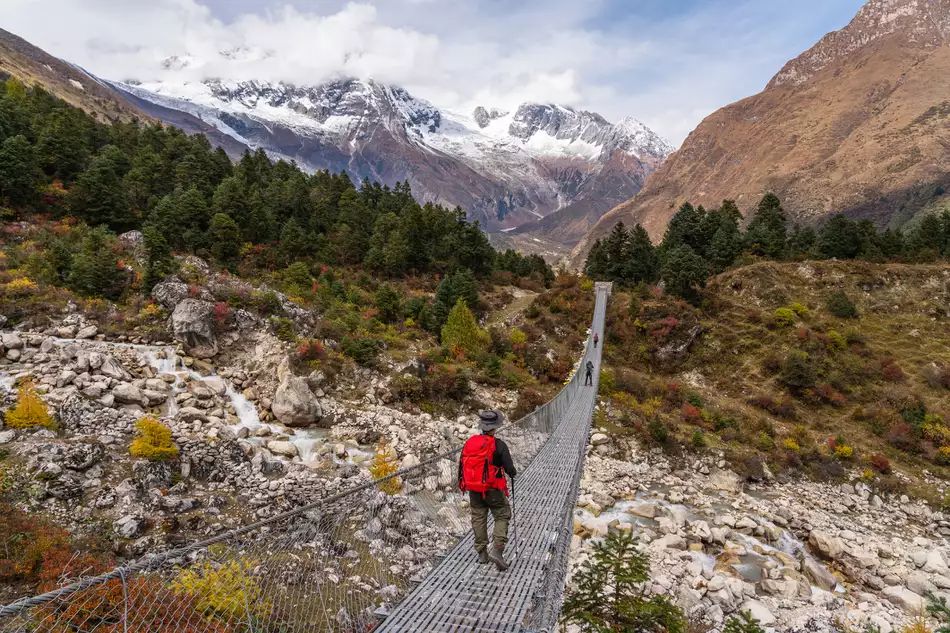
- Suspension bridges
- Rhododendron and pine forests
- Khumbu Glacier and alpine landscapes
- Views of Everest, Ama Dablam, Lhotse and Nuptse
- The famous Namche Bazaar
- Tengboche Monastery
- Everest Base Camp
- Sunrise from Kala Patthar
Himalayan Yatri classifies the route as moderate to challenging, with typical trekking days of around 5–7 hours, though some days are longer. For example, the journey from Lobuche to Everest Base Camp and Gorakshep is listed as about 8–9 hours.
Why Acclimatization Is Important on the EBC Trek
The Everest Base Camp trek reaches a very high altitude, making acclimatization one of the most important parts of the journey.
The trail gradually climbs from Lukla toward Namche Bazaar and then into the higher valleys. As you gain altitude, your body needs time to adjust to the reduced oxygen levels.
Himalayan Yatri’s itinerary includes time around Namche and the higher settlements before reaching Everest Base Camp.
Do not choose a trekking season based only on weather. A well-planned itinerary with appropriate acclimatization is equally important.
Walking slowly, staying hydrated, eating properly and paying attention to how your body feels can all contribute to a safer and more enjoyable trek.
What Should You Pack for Everest Base Camp?
Packing the right gear is essential for a comfortable Everest Base Camp trek, as temperatures and weather conditions can change quickly with altitude. Your packing needs will also vary depending on whether you trek in spring, autumn, winter, or monsoon. Focus on lightweight, warm, and practical items that can handle changing conditions throughout the journey.
Essential Clothing
- Thermal base layers
- Fleece jacket
- Down or insulated jacket
- Waterproof jacket and trousers
- Comfortable trekking trousers
- Warm trekking socks
- Gloves
- Woolen or fleece hat
- Sun hat
Trekking Equipment
- Comfortable trekking boots
- Trekking poles
- Backpack and daypack
- Suitable sleeping bag
- Sunglasses
- Sunscreen and lip balm
- Reusable water bottles
- Headlamp
- Basic first-aid supplies
- Personal medication
- Power bank
Himalayan Yatri provides a duffel bag and trekking poles as part of its current Everest Base Camp package, while trekkers must bring their own clothing and other trekking gear.
Tips for Choosing the Best Time for Your EBC Trek
Choosing the best time for an Everest Base Camp trek depends on what you want from your journey, including weather, mountain views, trail conditions, and the number of trekkers on the route. Spring, from March to May, is a popular Everest Base Camp trekking season, with gradually warming temperatures, blooming landscapes at lower elevations, and generally favorable trekking conditions.
Autumn, from September to November, is another excellent period, especially if clear skies and spectacular views of Everest and the surrounding Himalayas are your priorities. October is particularly popular because of the generally stable post-monsoon weather, although the trails can be busier during this time.
If you prefer quieter trails and fewer trekkers, winter, from December to February, can offer a more peaceful Everest Base Camp experience, but you should be prepared for freezing temperatures and challenging conditions at higher elevations.
The monsoon season, from June to August, is generally less preferred because rain, cloud cover, reduced mountain visibility, and possible weather-related travel disruptions can affect the trek. However, every season has its own character, and the right time ultimately depends on your schedule, weather preferences, and trekking experience. By choosing a suitable EBC trekking season and allowing enough time for acclimatization, you can enjoy the journey through the Everest region more comfortably and make the most of your time on the trail.
Final Thoughts: When Should You Trek to Everest Base Camp?
So, what is the best time for the Everest Base Camp trek? For most trekkers, March to May and September to November are the best seasons to consider. Spring brings warmer conditions and colorful landscapes, while autumn offers post-monsoon weather and generally clear mountain views.
If you want to choose a specific month, April and October are two of the most popular options. March and November can also be appealing if you prefer cooler conditions and potentially fewer trekkers.
Regardless of when you go, remember that Everest Base Camp is a high-altitude trek. Weather can change quickly, and conditions cannot be guaranteed even during the main trekking seasons. Proper acclimatization, physical preparation, suitable equipment, travel insurance and a well-planned itinerary are all important.
Himalayan Yatri’s current 12-day Everest Base Camp Trek reaches Everest Base Camp at 5,380 meters and includes a sunrise hike to Kala Patthar at 5,545 meters. The trek starts and ends in Lukla and is designed for groups of 2–10 people.
If Everest Base Camp is on your bucket list, choosing the right season is the first step toward making the journey more comfortable, enjoyable, and memorable.
Frequently Asked Questions
What is the best time for Everest Base Camp trek?
The best time for the Everest Base Camp trek is generally spring, from March to May, and autumn, from September to November. These periods offer generally favorable trekking conditions and good opportunities for mountain views.
Is April a good month for Everest Base Camp?
Yes. April is one of the popular months for EBC trekking because of generally favorable spring conditions and good mountain visibility. The trail can be busy, however.
Is October good for Everest Base Camp trek?
Yes. October is one of the main autumn trekking months and is popular for its generally clear post-monsoon conditions and mountain views.
Can I trek to Everest Base Camp in winter?
Yes, but winter trekking is colder and can be more challenging. Proper cold-weather equipment and flexible planning are important.
Can I trek Everest Base Camp in July?
It is possible, but July falls within Nepal’s monsoon season. Rain, clouds, reduced visibility, and possible flight disruptions can make the journey less predictable.
How high is Everest Base Camp?
Everest Base Camp is approximately 5,380 meters above sea level. On Himalayan Yatri’s itinerary, trekkers also reach Kala Patthar at 5,545 meters.
How long does the Everest Base Camp trek take?
Himalayan Yatri currently offers a 12-day Everest Base Camp itinerary, including the flights between Kathmandu and Lukla.
Is Everest Base Camp suitable for beginners?
The trek does not require technical climbing skills, but it is a physically demanding high-altitude journey. Good fitness, preparation and proper acclimatization are important.