

November 2, 2026
Langtang Valley Trek from Kathmandu: Route, Itinerary, Cost and Travel Guide
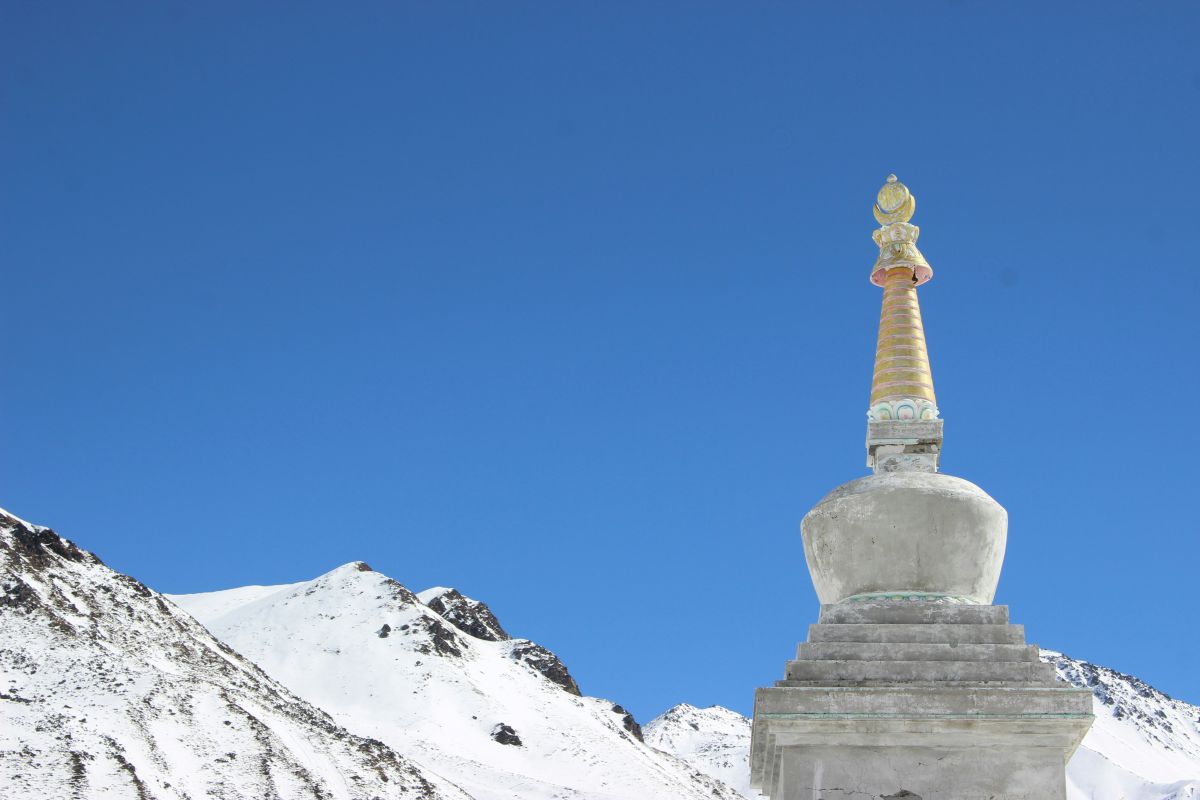
The Langtang Valley Trek from Kathmandu is a rewarding Himalayan adventure for travelers who want mountain views, traditional villages, forests, glaciers, and local culture without traveling far from Nepal’s capital. Located north of Kathmandu near the Nepal–Tibet border, Langtang Valley offers a beautiful trekking experience with snow-covered peaks, peaceful trails, and welcoming Tamang communities.
The journey begins with an overland trip from Kathmandu toward the Rasuwa district, followed by several days of walking through Langtang National Park. Along the way, you pass through forested valleys, riverside settlements, Lama Hotel, Langtang Village, and Kyanjin Gompa, one of the main highlights of the trek.
The route is especially appealing if you want a Himalayan experience within a relatively short holiday. However, road access and the starting point can change due to weather and infrastructure conditions. This guide explains how to plan your Langtang Valley Trek from Kathmandu, what to expect on the trail, and what to prepare before leaving.
Langtang Valley Trek from Kathmandu at a Glance
The Langtang Valley Trek combines a road journey with several days of walking at increasing elevations. You begin in Kathmandu, travel toward the Langtang region, and continue on foot through forests and mountain settlements until you reach Kyanjin Gompa. The return journey follows the valley back toward the roadhead.
The trek is often completed in around 7–9 days, depending on the starting point, walking pace, acclimatization schedule, and transport arrangements. If you have extra time, you can add a day to explore viewpoints around Kyanjin Gompa.
| Trek detail | Information |
| Destination | Langtang Valley, Rasuwa, Nepal |
| Starting point | Kathmandu |
| Trekking region | Langtang National Park |
| Typical duration | Around 7–9 days |
| Highest overnight stop | Kyanjin Gompa, approximately 3,870 m |
| Optional viewpoint hikes | Kyanjin Ri or Tserko Ri |
| Difficulty | Moderate to challenging, depending on fitness and itinerary |
| Accommodation | Teahouses and mountain lodges |
| Main attractions | Himalayan scenery, Tamang culture, glaciers, mountain villages |
| Best trekking seasons | Spring and autumn |
| Guide and permits | Check current requirements before departure |
These details are general planning estimates. The final route, walking distances, and duration should be confirmed according to the current trailhead and local conditions.
Where Is Langtang Valley, and How Far Is It from Kathmandu?
Langtang Valley lies in northern Nepal, within Langtang National Park in Rasuwa District. The region is known for its dramatic mountain landscape, traditional Tamang settlements, forested trails, and views of peaks such as Langtang Lirung. It is one of the closest major trekking regions to Kathmandu, making it a practical option for travelers who want to experience the Himalayas without taking a domestic flight.
The distance is often described as approximately 130 km from Kathmandu to the wider Langtang region, although the exact road distance depends on your destination and route. Under normal conditions, the drive toward the traditional trailhead at Syabrubesi can take roughly 6–9 hours. Road conditions, traffic, stops, and seasonal disruptions can make the journey longer.
For trips planned after the 2026 floods, do not assume that your vehicle will reach Syabrubesi. Recent updates report access via Betrawati toward Dhunche and Thulo Syabru, with trekking itineraries adjusted accordingly. Confirm the current roadhead with your trekking agency before booking transport.
How to Travel from Kathmandu to Langtang Valley
The first part of the Langtang Valley Trek from Kathmandu is a road journey. The route generally travels north through the Trishuli and Rasuwa corridor before reaching the area where the trek begins. Your transport choice affects comfort, timing, and how easily you can adapt if road conditions change.
By local bus
Local buses are a common budget option for traveling from Kathmandu toward the Langtang region. They are generally less expensive than private transport, but journeys can be crowded and take longer because of stops and road conditions. Services and final destinations may change when sections of the road are disrupted.
If you choose a bus, confirm where it currently stops, how you will reach the trailhead, and whether you need an additional local jeep. Avoid planning a tight connection between the bus journey and your first day of trekking.
By shared or local jeep
A jeep may be more convenient when traveling with a small group or when road conditions require changes in transport. Depending on the route and current arrangements, you may need to transfer vehicles or continue from a different roadhead.
Ask your operator whether the quoted transport covers the full journey from Kathmandu to the trekking start point. Clarify any additional local transport charges before departure.
By private vehicle
A private jeep or four-wheel-drive vehicle offers greater flexibility over departure time, stops, and route adjustments. It can be useful for families, small groups, or trekkers who want to reduce waiting time.
However, a private vehicle cannot bypass road closures or guarantee access to Syabrubesi. Even with private transport, the itinerary must follow the road conditions on the day.
Travel tip: Confirm the roadhead, vehicle arrangements, estimated travel time, and first-night accommodation shortly before departure. For the current post-flood route, these details are more important than relying on an older itinerary.
Langtang Valley Trek Itinerary from Kathmandu
A practical itinerary allows time for the drive, gradual ascent, exploration around Kyanjin Gompa, and the return journey. The traditional route commonly begins at Syabrubesi, but recent access changes mean some itineraries now start from Thulo Syabru and join the established valley trail near Bamboo.
The following is a sample 9-day plan to help you understand the journey. It is not a guaranteed day-by-day schedule: your guide should adjust overnight stops and walking times to the confirmed roadhead, lodge availability, weather, and group fitness.
| Day | Route | Main activity |
| 1 | Kathmandu to the confirmed roadhead, such as Thulo Syabru | Drive north and prepare for the trek |
| 2 | Roadhead toward Bamboo | Begin trekking through village and forest trails |
| 3 | Bamboo to Lama Hotel | Walk through woodland alongside the river |
| 4 | Lama Hotel to Langtang Village | Continue uphill through the valley |
| 5 | Langtang Village to Kyanjin Gompa | Reach the upper valley and explore the settlement |
| 6 | Kyanjin Gompa | Acclimatization and optional viewpoint hike |
| 7 | Kyanjin Gompa to Lama Hotel | Descend along the valley trail |
| 8 | Lama Hotel toward Thulo Syabru or the confirmed roadhead | Continue downhill and reach the overnight stop |
| 9 | Drive back to Kathmandu | Return to the capital |
The walking stages may be combined or divided differently depending on your pace and the actual starting point. Some itineraries take fewer days, while others include an extra acclimatization or sightseeing day. If your trip begins at Syabrubesi again in the future, the schedule may also differ.
Do not try to save time by removing acclimatization without considering the elevation gain. A well-paced itinerary is safer and gives you more time to enjoy the landscape instead of rushing between lodges.
What Can You See on the Langtang Valley Trek?
The Langtang Valley Trek is not just a walk toward a mountain viewpoint. It is a gradual journey through changing landscapes, from lower forested sections and river valleys to open alpine terrain surrounded by high Himalayan peaks.
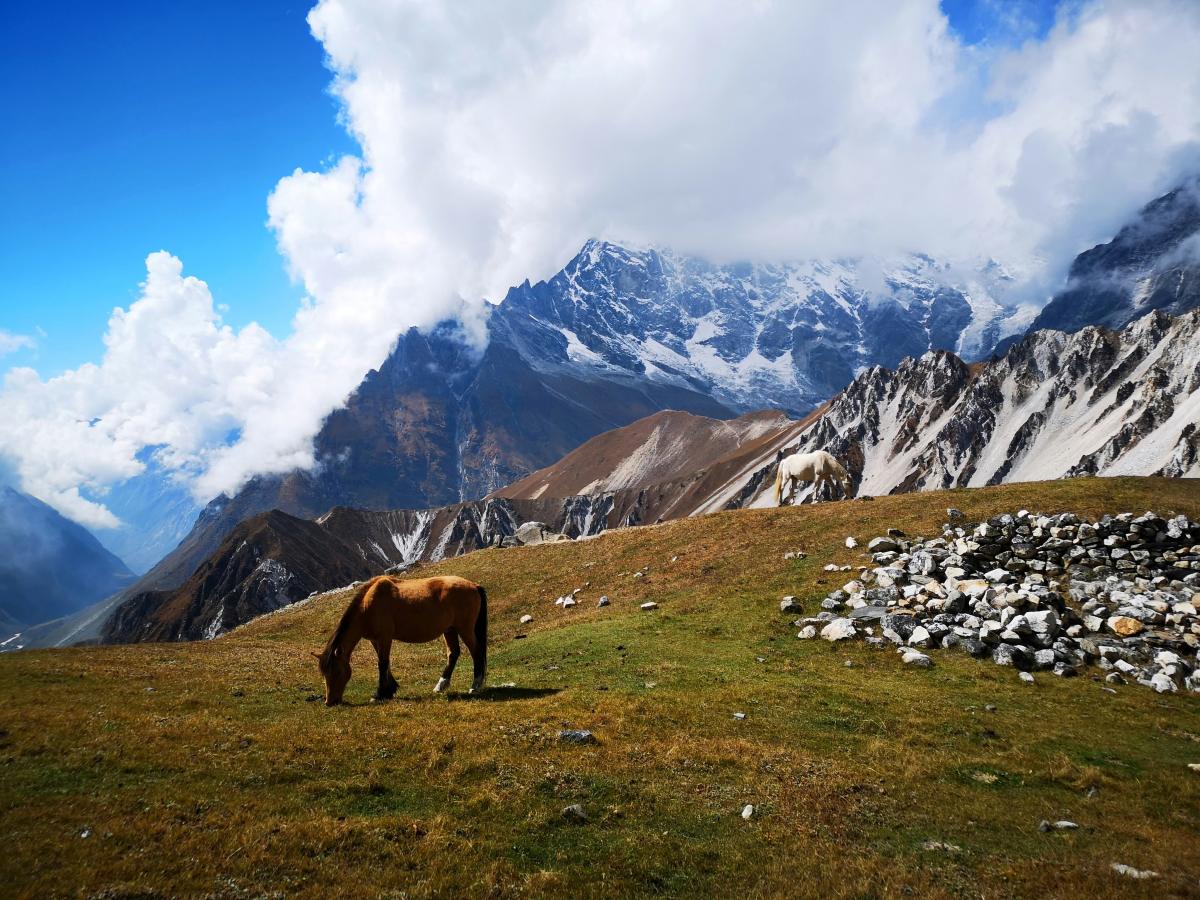
The lower trail passes through wooded areas with oak, bamboo, and rhododendron vegetation. As you gain elevation, the landscape becomes more open, with mountain views, grazing areas, and settlements adapted to life in the high Himalayas. Rivers, waterfalls, suspension bridges, and rocky slopes add variety to the walking days.
Langtang Village offers insight into local life and the region’s recovery and rebuilding after the 2015 earthquake. Further up the valley, Kyanjin Gompa is a major destination where trekkers can rest, explore the settlement, and take in the surrounding mountain scenery.
If conditions and fitness allow, you can hike to Kyanjin Ri or Tserko Ri for broader views of the surrounding peaks and valley. These are high-altitude hikes, so they should not be treated as casual walks. Weather, snow, visibility, and your response to altitude should guide the decision to attempt them.
How Difficult Is the Langtang Valley Trek?
The Langtang Valley Trek is generally considered moderate, but it can feel challenging if you are new to trekking, have limited fitness, or are not used to walking for several hours a day. You do not need technical climbing skills for the standard valley route, but you should be prepared for uneven trails, stone steps, gradual climbs, and long downhill sections.
The main challenge is the altitude. Kyanjin Gompa sits at approximately 3,870 m, and optional hikes such as Kyanjin Ri or Tserko Ri take you higher. At these elevations, even a fit person can experience shortness of breath, fatigue, headaches, or other symptoms of altitude sickness.
Start preparing with regular walking, stair climbing, hiking, or cardio exercise before the trip. Strengthening your legs and improving your stamina can make consecutive trekking days more comfortable. During the trek, walk at a steady pace, drink regularly, eat enough, and tell your guide if you feel unwell.
You do not need to race other trekkers or reach each lodge as quickly as possible. The goal is to complete the route safely while allowing your body time to adjust to the increasing elevation.
Best Time for Langtang Valley Trek from Kathmandu
Spring and autumn are usually the preferred seasons for the Langtang Valley Trek. They often offer a good balance of walking conditions, mountain views, and manageable weather, although conditions vary from year to year. Nepal Tourism Board identifies October–November and March–May as the main favorable periods for the Langtang region.
Spring: March to May
Spring brings milder conditions at lower elevations, and rhododendron forests may bloom along parts of the trail. It is a good season for trekkers who want to enjoy forest scenery alongside mountain views. Higher elevations can still be cold, especially in the mornings and evenings, so warm layers remain necessary.
Autumn: September to November
Autumn is a popular trekking season because the monsoon usually begins to retreat and visibility can improve. October and November are often particularly attractive months. However, late monsoon rain, landslides, damaged bridges, and road disruptions can affect access even when the main trekking destination is suitable for walking.
Winter: December to February
Winter brings colder temperatures, and snow or ice may affect the upper trail and optional viewpoints. This season may suit experienced trekkers who are properly equipped and have flexible plans, but weather and lodge availability need careful checking.
Monsoon: June to August
Monsoon brings rain, cloud, leeches in some lower forest sections, and a greater risk of landslides or road disruption. Mountain views may be limited. If you travel during this period, use current local advice and keep your itinerary flexible.
For any season, check the road and trail status shortly before leaving Kathmandu. This is especially important while transport access in the Langtang region continues to recover from the 2026 floods.
Permits and Guide Requirements for Langtang Valley Trek
Before starting the Langtang Valley Trek, make sure your permits and guide arrangements meet the current rules. The route passes through Langtang National Park, so trekkers need the applicable national park entry permit. Nepal Tourism Board also lists the Langtang Trek among the routes requiring a licensed trekking guide and an agency-issued TIMS card under its revised TIMS provisions.
The exact requirements and fees may depend on your nationality, route, and current regulations. Rather than relying on an old blog or an outdated fee list, confirm the latest requirements with a registered trekking agency or the relevant official authority.
Your agency can normally help arrange the necessary paperwork and explain what identification you need to provide. Carry your passport or other required documents, and keep copies or digital backups where appropriate. Your guide may need to check permits at designated points along the route.
If you plan to extend the trip into another trekking region or include a restricted area, additional permissions may apply. Do not assume that a Langtang National Park permit covers every possible side trip.
Before departure, confirm:
- The required national park entry permit.
- Whether an agency-issued TIMS card applies to your route.
- The licensed guide requirement.
- Current fees and the documents needed to obtain permits.
- Whether any planned extension needs additional permits.
Accommodation and Food on the Langtang Valley Trek
Teahouses and mountain lodges are the main accommodation options along the standard Langtang Valley route. Rooms are generally simple, and facilities become more basic at higher elevations. Depending on the lodge, you may find twin beds, blankets, shared bathrooms, dining rooms, and charging facilities for an additional fee.
Food is commonly served in shared dining areas. Typical meals include dal bhat, noodles, rice dishes, soups, potatoes, eggs, and other simple options. Menus and availability vary between lodges, particularly at higher elevations or during quieter seasons.
At Kyanjin Gompa, you can usually find basic lodge accommodation and meals, but it is sensible to confirm availability during busy periods or when unusual weather and access problems affect supplies. Bring enough cash for meals, drinks, showers, charging, and other services, as card payments may not be available throughout the trail.
You should also ask your lodge or guide about drinking-water options. Treat water using a suitable purification method or use a reliable treated-water source. Avoid assuming that clear mountain water is automatically safe to drink.
Because access arrangements have changed following the 2026 floods, confirm your first night’s accommodation and any required overnight stops before setting out from Kathmandu.
What Should You Pack for the Langtang Valley Trek?
Packing the right equipment makes the trek more comfortable, especially when temperatures change significantly between lower elevations and Kyanjin Gompa. You should aim to carry everything you need without overloading your backpack. Layering is more useful than relying on one thick jacket because you can adjust your clothing as the weather and your activity level change.
Your footwear should be broken in before the trek. A comfortable pair of hiking boots or shoes with reliable grip can help on uneven stone steps, muddy paths, and rocky sections. Trekking poles are also useful, particularly on long descents.
Essential packing checklist
- Broken-in hiking boots or trail shoes.
- Moisture-wicking base layers and comfortable trekking trousers.
- Warm mid-layer and insulated jacket.
- Waterproof jacket and rain protection.
- Warm hat, gloves, and sun hat.
- Sunglasses and high-SPF sunscreen.
- Reusable water bottle and suitable water purification.
- Personal medication and a basic first-aid kit.
- Headlamp with spare batteries or a charged backup.
- Power bank and charging cables.
- Toiletries, quick-drying towel, and hand sanitizer.
- Passport and required permits.
- Cash in Nepalese rupees.
- Small daypack, snacks, and trekking poles if preferred.
The precise list depends on the season, itinerary, and whether you hire a porter. Ask your trekking agency what equipment is provided and what you need to carry yourself.
Altitude Sickness and Safety on the Langtang Valley Trek
Altitude is one of the most important safety considerations on the Langtang Valley Trek. As you ascend toward Kyanjin Gompa and optional viewpoints, the air contains less available oxygen, and your body needs time to adjust. Fitness alone does not prevent altitude sickness, and it can affect experienced hikers as well as beginners.
A sensible itinerary should include a gradual ascent and time to acclimatize. Avoid climbing higher when you are developing symptoms, and tell your guide promptly if you experience a headache, nausea, dizziness, unusual tiredness, or loss of appetite. Confusion, difficulty walking straight, or breathlessness at rest are emergency warning signs. Descend and seek urgent medical assistance if severe symptoms develop.
Trail conditions also matter. Heavy rain can trigger landslides, while snow and ice can make higher sections slippery. Stay on the established route, follow your guide’s advice, and avoid crossing unsafe rivers or unstable slopes.
Because road and bridge access has recently been affected by flooding, confirm local conditions before departure and again if the itinerary changes. Keep a flexible schedule and travel with a guide who can coordinate with local contacts if the route becomes unsafe.
Travel insurance that covers trekking at your planned altitude and emergency evacuation is strongly recommended. Check the policy details rather than assuming all travel insurance covers high-altitude trekking.
How Much Does the Langtang Valley Trek from Kathmandu Cost?
The total cost depends on the number of trekking days, transport arrangements, group size, guide and porter services, accommodation, meals, permits, and personal spending. There is no single price that fits every traveler, particularly when road access changes the starting point or requires additional vehicle transfers.
Transport is one of the first expenses to plan. Local buses may cost less, while a private jeep usually costs more but offers greater flexibility. You should also budget for your guide, any porter you hire, required permits, lodging, meals, drinking water, snacks, charging, hot showers, and tips.
If you book through a trekking agency, ask for an itemized quotation so you can compare packages accurately. Check whether the quoted price includes Kathmandu transfers, guide and porter wages, staff insurance, permits, accommodation, meals, and emergency support. Also clarify what happens if a road closure forces an itinerary change.
Personal expenses can add up over several days, so carry enough Nepalese rupees for services that do not accept cards. It is wise to keep an emergency reserve separate from your planned spending.
For an accurate quote, share your preferred travel dates, number of trekkers, desired duration, transport preference, and whether you need a guide or porter. The most useful comparison is the total cost for the same inclusions, not just the advertised starting price.
Is the Langtang Valley Trek from Kathmandu Worth It?
For many trekkers, Langtang Valley is a strong choice because it combines Himalayan scenery, local culture, and a multi-day walking adventure within relatively easy reach of Kathmandu. You can experience forest trails, traditional settlements, high mountain landscapes, and the peaceful atmosphere of Kyanjin Gompa without needing a domestic flight.
It can also work well for travelers who have limited time but still want a meaningful trekking experience. With a suitable itinerary, you can reach the upper valley, spend time exploring the surroundings, and return to Kathmandu within about a week to nine days. The best duration depends on your fitness, acclimatization needs, and whether you want to include an optional viewpoint hike.
The trek is not effortless, though. You need to be prepared for long walking days, basic accommodation, changing weather, and the effects of altitude. Current transport arrangements also need attention while the region recovers from the 2026 floods.
If you plan carefully, use a qualified guide, and allow enough time for the journey, Langtang Valley can offer a rewarding introduction to trekking in the Nepal Himalayas.
Frequently Asked Questions About Langtang Valley Trek from Kathmandu
How many days do you need for the Langtang Valley Trek from Kathmandu?
Most travelers should allow around 7–9 days, including the road journey from Kathmandu, trekking days, time at Kyanjin Gompa, and the return. The exact duration depends on your starting point and pace. Add time if you want extra acclimatization or a longer hike to a viewpoint.
How far is Langtang Valley from Kathmandu?
Langtang lies roughly 130 km north of Kathmandu, although the road distance to your actual trailhead depends on the route. The drive traditionally went toward Syabrubesi, but recent access changes mean some trips start from Thulo Syabru instead. Confirm the current route before traveling.
Is the Langtang Valley Trek suitable for beginners?
It can be suitable for beginners who are reasonably fit, prepare beforehand, and follow a gradual itinerary. You should be comfortable walking for several hours on consecutive days. The altitude, uneven trails, and long descents can be challenging, so do not underestimate the trek.
Do I need a guide for the Langtang Valley Trek?
Nepal Tourism Board lists Langtang Trek among the routes requiring a licensed guide and agency-issued TIMS card under the revised provisions. Confirm the current rules with a registered trekking agency before departure, as requirements can change.
What is the highest point of the Langtang Valley Trek?
Kyanjin Gompa, at approximately 3,870 m, is a common overnight destination on the standard valley trek. Trekkers who choose optional hikes such as Kyanjin Ri or Tserko Ri go significantly higher. These hikes require additional care with altitude, weather, and fitness.
What is the best month to trek Langtang Valley?
March, April, May, October, and November are generally popular choices. Spring offers forest and rhododendron scenery, while autumn often brings clear mountain views. Conditions can vary, so check the forecast and trail access before departure.
Is Langtang Valley open for trekking after the 2026 floods?
Recent reports from October 2026 state that trekking in Langtang and Kyanjin has reopened, with revised access via Betrawati toward Dhunche and Thulo Syabru. The traditional road access to Syabrubesi remains affected in the latest reports. Confirm the latest route, roadhead, and lodge availability with local authorities or your trekking agency before traveling.
Can I complete the Langtang Valley Trek without a domestic flight?
Yes. You can normally access the trek overland from Kathmandu, so a domestic flight isn’t required. The road journey can be long, and the route or vehicle transfers may change with road conditions.
What kind of accommodation is available on the trek?
Teahouses and mountain lodges are the main options. They generally provide simple rooms and meals, but facilities can be basic at higher elevations. Confirm accommodation availability in advance, especially if your itinerary uses a revised trailhead or falls during a busy trekking period.
Plan Your Langtang Valley Trek from Kathmandu
The Langtang Valley Trek offers a memorable mix of Himalayan landscapes, traditional villages, and mountain walking without requiring a long journey from Kathmandu. With the right preparation, a suitable itinerary, and enough time to adjust to altitude, you can enjoy the journey at a comfortable pace.
Before you leave, confirm the current roadhead, transport arrangements, permits, guide requirements, and accommodation. These checks are particularly important while access in the region continues to adjust after the 2026 floods.
If you are planning your trek with Himalaya Yatri, tailor your itinerary to your travel dates, fitness, and preferred pace. A well-planned journey should leave you enough time to enjoy Langtang Valley, not simply rush to the destination and back.
Related Blogs & Articles
October 30, 2026
Langtang Valley Trek Difficulty: A Complete Guide for Beginners
October 29, 2026
Langtang Valley Trek Best Time: A Complete Seasonal Guide
October 28, 2026
