

October 29, 2026
Langtang Valley Trek Best Time: A Complete Seasonal Guide
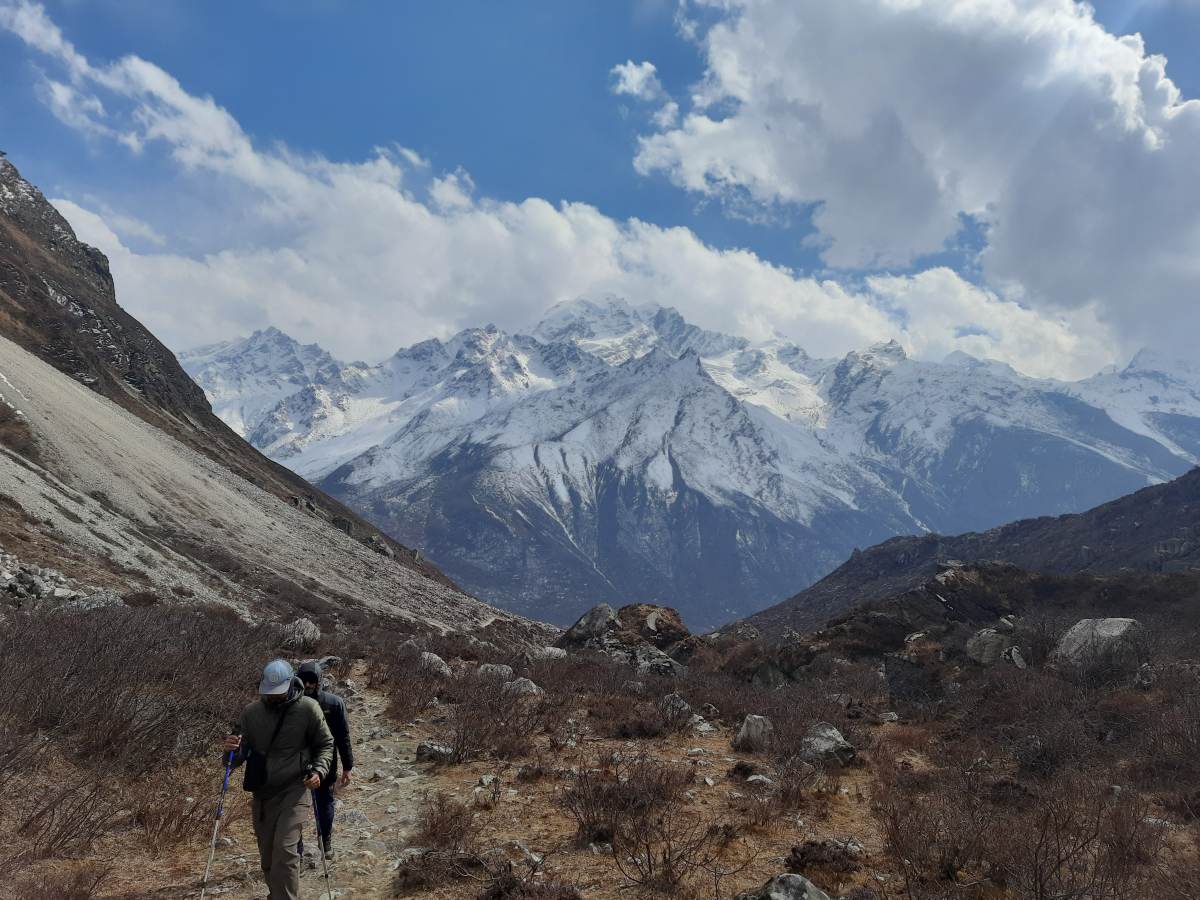
The best time for Langtang Valley Trek is generally spring (March to May) and autumn (September to November). These seasons offer a good combination of pleasant daytime weather, clearer mountain views, and suitable trail conditions for trekking in Nepal’s beautiful Langtang region. October and April are particularly appealing months, depending on whether you prefer clear post-monsoon skies or blooming rhododendron forests.
However, Langtang Valley has a different atmosphere in every season. Spring brings colourful forests and warming temperatures, autumn offers excellent mountain visibility, winter provides peaceful trails and snowy landscapes, and monsoon turns the valley into a lush green destination.
Choosing the right time depends on your priorities, trekking experience, and the kind of mountain scenery you want to experience.
When Is the Best Time for Langtang Valley Trek?
| Trekking season | Months | What to expect |
| Spring | March–May | Blooming rhododendrons, milder days, beautiful mountain scenery |
| Autumn | September–November | Clear post-monsoon skies, excellent mountain views, popular trails |
| Winter | December–February | Quiet trails, cold temperatures, possible snow at higher elevations |
| Monsoon | June–August | Lush landscapes, rainfall, muddy trails, and possible road disruptions |
According to the Nepal Tourism Board, October–November and March–May are the main recommended seasons for Langtang National Park. Higher elevations can remain cold even during these periods.
For most trekkers, October is an excellent overall choice, while April is ideal for those who want to combine mountain scenery with spring flowers.
Spring Season (March to May): Best for Rhododendrons and Pleasant Trekking
Spring is one of the most attractive times to trek through Langtang Valley. After the cold winter months, temperatures gradually become milder, forests begin to bloom, and the landscape becomes increasingly colorful.
The trail passes through forests, traditional Tamang settlements, rivers, and alpine landscapes before reaching the higher parts of the valley. During spring, the lower forest sections can be particularly beautiful, with rhododendrons adding shades of red, pink, and white to the scenery.
As you climb towards Langtang Village and Kyanjin Gompa, the landscape changes from forested hills to open alpine terrain, with views of surrounding Himalayan peaks.
What to expect during spring
- March: Early spring can still be cold at higher elevations. Snow may remain around Kyanjin Gompa and nearby viewpoints.
- April: A particularly good month for combining flowering forests, comfortable walking conditions, and mountain scenery.
- May: Generally milder, but afternoon clouds and pre-monsoon precipitation may become more common later in the month.
Why choose spring?
Spring is a good choice if you enjoy nature, photography, and gradually changing mountain landscapes. It is also suitable for trekkers who prefer milder daytime conditions compared with the colder winter months.
However, spring does not guarantee clear skies every day. Weather conditions can change quickly at higher elevations, so carrying warm layers and rain protection remains important.
Best for: Nature lovers, photographers, moderate-weather trekking, and rhododendron scenery.
Autumn Season (September to November): Best Overall Time for Langtang Valley Trek
Autumn is widely considered one of the best seasons for trekking in Nepal, and Langtang Valley is no exception. Following the monsoon, the landscape remains fresh, while improving visibility often creates excellent conditions for viewing the surrounding Himalayan mountains.
The combination of clearer skies, generally favourable trekking conditions, and comfortable daytime walking temperatures makes autumn especially popular.
September: The transition into autumn
September marks the transition from monsoon to autumn. Early September can still bring rain, cloud cover, and wet trails, while conditions often improve as the month progresses.
If you trek in late September, you may experience greener landscapes and fewer trekkers than during the busiest part of autumn. However, weather and road conditions should be checked before departure.
October: One of the best months to trek
October is an excellent option for the classic Langtang Valley Trek. The weather is often more settled after the monsoon, and mountain visibility is generally favourable.
You can enjoy the changing landscapes along the trail, explore Kyanjin Gompa, and plan a viewpoint hike to Kyanjin Ri or Tserko Ri when conditions allow.
October is also a popular trekking month, so arranging accommodation and transport in advance is sensible.
November: Clear views and colder nights
November can offer beautiful mountain panoramas and quieter trails later in the month. However, temperatures fall as winter approaches, particularly at higher elevations and overnight.
Trekkers should bring adequate insulation and a warm sleeping system suitable for the conditions.
Why choose autumn?
Autumn is ideal if your main priorities are mountain views, relatively stable weather, and a classic Himalayan trekking experience. The post-monsoon atmosphere can provide excellent visibility, although clouds and changing weather are still possible.
Best for: First-time Langtang trekkers, mountain photography, clear-sky opportunities, and general trekking comfort.
Winter Season (December to February): Best for Quiet Trails and Snowy Landscapes
Winter offers a very different experience in Langtang Valley. The trails are generally quieter, the landscape can become snowy at higher elevations, and clear winter days may provide impressive views of the mountains.
However, winter is also the coldest season. Temperatures can drop below freezing overnight at higher elevations, and snowfall may affect trails and access to elevated viewpoints.
What to expect during winter
- December: Cold nights become more common, particularly around Kyanjin Gompa.
- January: Usually the coldest part of the trekking season, with potential snow and icy trail sections.
- February: Conditions may begin to improve towards the end of the month, although cold weather and snow can persist.
Winter trekking is possible, but conditions depend on recent snowfall, trail accessibility, accommodation availability, and the weather forecast.
Is winter a good time for Langtang Valley Trek?
Winter may suit experienced trekkers who prefer quieter trails and are properly equipped for cold weather. It is less suitable for people who are unprepared for snow, freezing nights, or changes in trail conditions.
If you are planning a winter trek, check the latest local conditions and confirm that teahouses and transport services are operating along your route.
Best for: Experienced and well-prepared trekkers, peaceful trails, and winter mountain scenery.
Monsoon Season (June to August): Is Langtang Valley Trek Possible?
The monsoon season brings frequent rainfall to many parts of Nepal. In Langtang Valley, the lower trail sections can become wet and muddy, while cloud cover may limit mountain views.
Rainfall can also increase the risk of landslides, slippery paths, swollen streams, and road disruptions on the journey towards Syabrubesi, the usual starting point for the trek.
Despite these challenges, the monsoon transforms the landscape. Forests become lush, waterfalls grow stronger, and the valley takes on a rich green appearance.
What to expect during monsoon
- Frequent rain and cloud cover.
- Slippery trails and muddy forest sections.
- Potential landslides and road delays.
- Limited mountain visibility on some days.
- Fewer trekkers compared with the main spring and autumn seasons.
Should you trek during monsoon?
The trek may be possible during periods of suitable weather, but it requires flexibility and careful planning. Monsoon is generally not the first choice for trekkers whose main priority is uninterrupted Himalayan panoramas.
If you choose this season, check weather forecasts, road conditions, and local advice before setting out. A flexible itinerary can help if travel delays occur.
Best for: Trekkers with flexible schedules who enjoy green landscapes and are prepared for wet-weather conditions.
What Is the Weather Like on the Langtang Valley Trek?
Weather changes considerably as you gain altitude. Lower sections near Syabrubesi and forested areas can feel relatively mild, while Langtang Village and Kyanjin Gompa are much colder, particularly at night.
The Nepal Tourism Board notes that temperatures in Nepal’s mountainous regions can fall below freezing and generally decrease with increasing elevation.
Rather than relying on one temperature estimate for the entire trek, prepare for several conditions during the same journey.
At lower elevations
Expect forested trails, streams, humid conditions during warmer months, and potentially wet paths during monsoon. Spring and autumn are generally more comfortable for walking.
Around Langtang Village
The landscape becomes more open, and temperatures can be noticeably cooler. Mornings and evenings may require warm clothing even when the daytime weather feels pleasant.
Around Kyanjin Gompa
Kyanjin Gompa is a major destination in the upper valley. The higher altitude means colder nights, and snow or ice may affect nearby viewpoints depending on the season.
If you plan to climb Kyanjin Ri or Tserko Ri, allow extra time and check conditions before leaving. These hikes are more demanding than walking along the main valley trail.
Important Tips for Choosing the Best Time
Before booking your Langtang Valley Trek, keep these practical points in mind.
Check the weather before departure
Seasonal patterns are useful for planning, but they cannot predict daily conditions. Check the forecast and ask your trekking operator or local contacts about current trail conditions.
Consider the road to Syabrubesi
The journey from Kathmandu to Syabrubesi is an important part of your plan. Rainfall, landslides, and road conditions can cause delays, particularly during monsoon.
Prepare for altitude
Kyanjin Gompa sits at approximately 3,870 metres, and popular viewpoints rise higher. Walk at a manageable pace, allow time to acclimatise, and understand the symptoms of altitude sickness.
Headache accompanied by nausea, dizziness, or unusual fatigue can indicate altitude sickness. Worsening symptoms require you to stop ascending and seek appropriate assistance; severe symptoms require immediate descent and emergency help.
Book during popular seasons
Spring and autumn attract many trekkers. Booking transport and accommodation in advance can make your trip easier to organise, particularly during busy periods.
Check permits and current requirements
Langtang Valley lies within Langtang National Park. Confirm the applicable park entry permit, trekking documentation, and any current guide or registration requirements before departure, as rules can change.
Choose the season that matches your priorities
If you want clear mountain views, consider October or November. If you want spring flowers, consider April. If you prefer quieter trails, winter may be an option, provided you are prepared for cold and snow.
Why Trek Langtang Valley?
Langtang Valley offers an appealing combination of Himalayan scenery, traditional villages, forest trails, and opportunities to experience local Tamang culture.
Unlike destinations that require domestic flights to reach their trailheads, the classic Langtang route is commonly accessed by road from Kathmandu. The drive takes you towards Syabrubesi, from where the trek follows the valley into the mountains.
Along the way, you can experience:
- Himalayan mountain scenery: Enjoy views of Langtang Lirung and surrounding peaks when conditions allow.
- Forests and changing landscapes: Walk through woodland, riverside trails, and alpine terrain.
- Tamang culture: Visit settlements where local traditions, architecture, and hospitality form an important part of the journey.
- Kyanjin Gompa: Explore the upper valley and use this settlement as a base for nearby walks and viewpoint hikes.
- A rewarding trekking experience: Experience the mountains over several days without needing a technical climbing objective.
The region is also part of Langtang National Park, which supports diverse vegetation and wildlife. The park is known for its varied landscapes, forests, and Himalayan species.
Frequently Asked Questions (FAQs)
1. What is the best month for Langtang Valley Trek?
October is one of the best months for Langtang Valley Trek because post-monsoon conditions often provide clear mountain views and favourable trekking weather. April is another excellent option for spring scenery and rhododendron blooms.
2. Is March a good time for Langtang Valley Trek?
Yes, March can be a good time to trek in Langtang Valley. However, early March can still be cold, and snow may remain at higher elevations. Later in the month, spring conditions generally become more noticeable.
3. Can I do Langtang Valley Trek in April?
Yes. April is one of the most attractive months for the trek, with spring flowers in the lower forests, generally pleasant daytime walking conditions, and opportunities to enjoy Himalayan scenery. Higher elevations can still be cold.
4. Is September a good time to trek Langtang Valley?
Late September can be a good time as the monsoon begins to withdraw. Early September may still experience rain, muddy trails, and travel disruptions, so checking current conditions is important.
5. Can I trek Langtang Valley in winter?
Yes, winter trekking is possible, but it requires preparation for freezing temperatures, potential snowfall, and icy trails. Check accommodation availability and local conditions, particularly if you plan to hike above Kyanjin Gompa.
6. Is Langtang Valley Trek possible during monsoon?
It can be possible, but monsoon is generally less favourable because of rain, cloud cover, slippery trails, landslide risks, and possible road disruptions. Travel should depend on current weather and local safety advice.
7. Is Langtang Valley Trek suitable for beginners?
The classic Langtang Valley Trek can suit reasonably fit beginners who prepare properly and follow a sensible itinerary. However, it involves multiple days of walking and considerable altitude gain. Previous trekking experience is helpful but not always essential.
8. How cold does Langtang Valley get?
Temperatures depend on altitude, season, and weather conditions. Higher settlements and viewpoints can experience freezing temperatures, particularly at night in winter and early spring. Pack suitable warm layers regardless of the season.
9. How long does the Langtang Valley Trek take?
A typical itinerary takes approximately 7–10 days from Kathmandu, including road travel, trekking, and time to explore the upper valley. The exact duration depends on your route, pace, and acclimatisation schedule.
10. Is October better than April for Langtang Valley Trek?
October is generally preferable for post-monsoon mountain visibility, while April is better for spring flowers and milder daytime conditions. Both are excellent options, so the better month depends on your priorities.
Related Blogs & Articles
October 30, 2026
Langtang Valley Trek Difficulty: A Complete Guide for Beginners
October 28, 2026
Langtang Valley Trekking Guide: Everything You Need to Know
October 2, 2026
