

October 28, 2026
Langtang Valley Trekking Guide: Everything You Need to Know
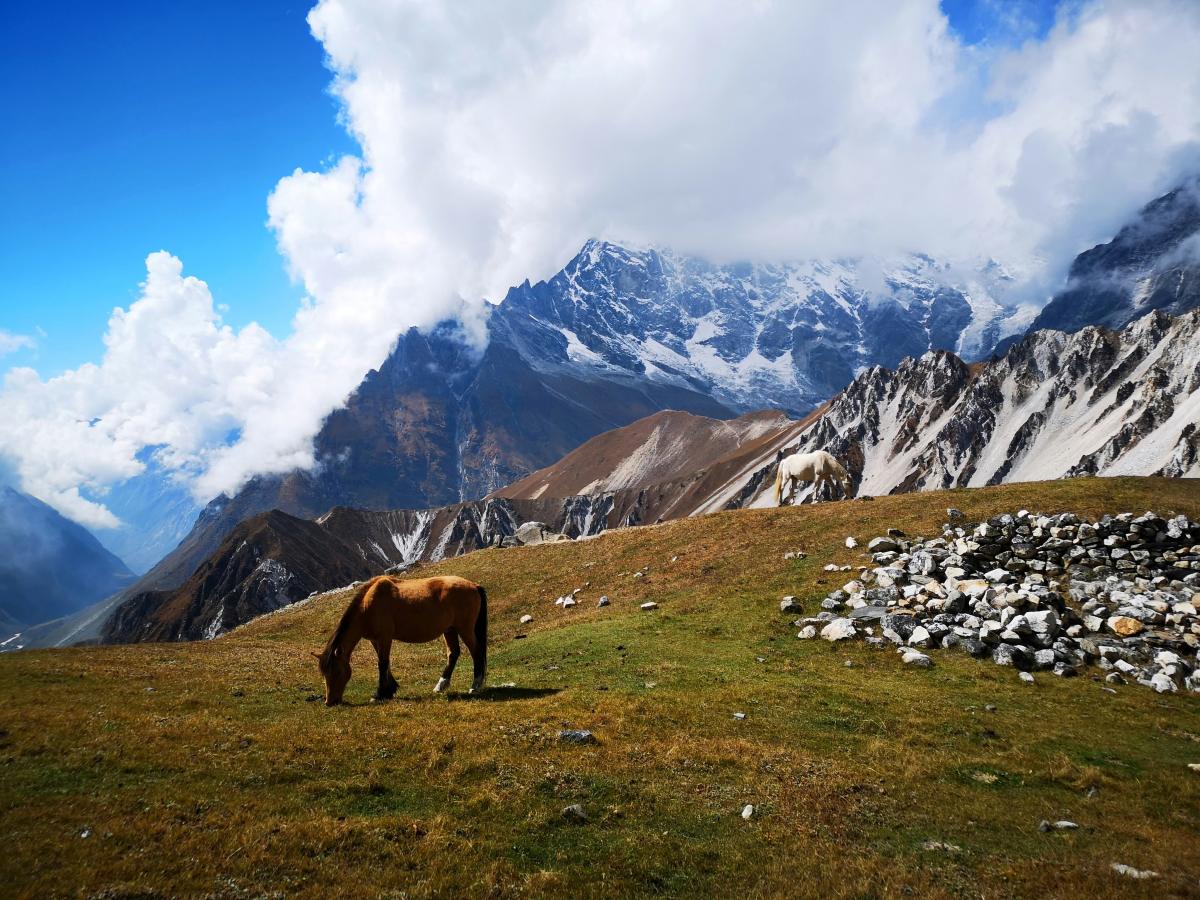
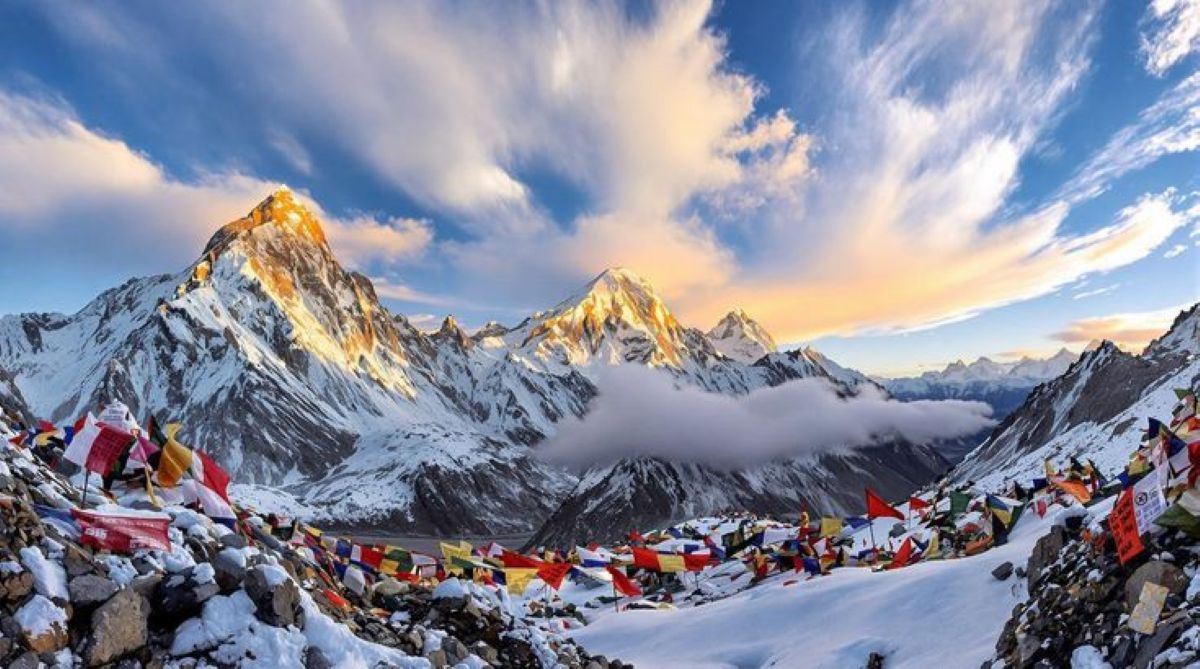
Langtang Valley trekking guide starts with understanding the route, choosing the right season, preparing for altitude, and knowing what to expect along the trail. Located in Langtang National Park in northern Nepal, Langtang Valley offers a rewarding Himalayan experience with mountain views, forest trails, traditional Tamang villages, glaciers, and peaceful alpine landscapes.
The classic Langtang Valley Trek takes you from the lower hills towards Langtang Village and Kyanjin Gompa, situated at approximately 3,870 meters. Along the way, you experience changing landscapes, local culture, and views of mountains such as Langtang Lirung. If you want to explore further, optional hikes to Kyanjin Ri and Tserko Ri provide wider panoramas of the surrounding Himalayan peaks.
One of the biggest advantages of Langtang Valley is that it is accessible from Kathmandu by road, without requiring a domestic flight for the classic route. However, road access and trail conditions can change, so checking the latest arrangements is essential.
This complete guide covers the route, itinerary, difficulty, best time to visit, permits, accommodation, food, packing essentials, safety, and practical tips to help you plan your Langtang adventure.
Langtang Valley Trekking Guide at a Glance
The Langtang Valley Trek is a moderate Himalayan trekking adventure that combines natural scenery with cultural experiences. It is a popular choice for travellers who want to explore the mountains of Nepal without committing to a very long expedition. The classic route follows the Langtang Khola through forests and mountain settlements before reaching Kyanjin Gompa, where the valley opens into impressive alpine scenery.
The trek is generally completed over 7–10 days, including travel from Kathmandu, although longer itineraries are possible. Your total duration depends on the route currently available, your walking pace, acclimatisation needs, and whether you include additional viewpoints or nearby destinations.
Here is a quick overview of the classic trek.
| Trekking detail | Information |
| Destination | Langtang Valley, Rasuwa District, Nepal |
| Protected area | Langtang National Park |
| Classic trailhead | Syabrubesi |
| Main destination | Kyanjin Gompa |
| Elevation of Kyanjin Gompa | Approximately 3,870 m |
| Highest optional viewpoint | Tserko Ri, commonly listed at around 4,984 m |
| Typical duration | Around 7–10 days from Kathmandu |
| Difficulty | Moderate |
| Trek style | Teahouse trekking |
| Technical climbing | Not required for the classic route |
| Main highlights | Himalayan scenery, Tamang culture, forests, glaciers, and alpine landscapes |
| Popular trekking seasons | Spring and autumn |
These details describe the traditional route rather than guaranteeing current access arrangements. In October 2026, travel updates reported that flood damage had affected the usual approach to Syabrubesi and that revised access from the Thulo Syabru area was being used. Check the latest route information before finalising your itinerary.
Where Is Langtang Valley and How Do You Get There?
Langtang Valley is in Rasuwa District, north of Kathmandu, near Nepal’s border with Tibet, China. It lies within Langtang National Park, one of Nepal’s important protected areas, known for its varied landscapes, Himalayan wildlife, forests, and cultural heritage. The Nepal Tourism Board identifies Langtang as a destination for trekking, mountaineering, and experiencing Tamang culture.
Under normal conditions, the classic Langtang Valley Trek begins at Syabrubesi. Trekkers travel from Kathmandu by road and then follow the Langtang Khola upstream through settlements and forested terrain towards Lama Hotel, Langtang Village, and Kyanjin Gompa.
However, access needs special attention when planning a trek in late 2026. Flooding in August damaged roads and infrastructure in the Rasuwa region. Subsequent travel updates reported changes to the usual trailhead and alternative access arrangements. The valley’s main trekking trail and the road used to reach it are separate considerations, so a safe trail does not automatically mean the traditional road approach is available.
Before travelling, confirm the following with your trekking operator:
- Which road sections are open to vehicles.
- Where the trek will actually begin and end.
- Whether additional walking days are required.
- Which accommodation and transport arrangements are operating.
- Whether the route has any temporary restrictions.
For official destination background, visit the Nepal Tourism Board’s Langtang Region page. For your departure date, use recent local access and safety updates rather than relying solely on older itineraries.
What Is the Langtang Valley Trek Route Like?
The classic Langtang Valley Trek follows a gradual route into the mountains, beginning in lower forested terrain and continuing towards higher alpine landscapes. Along the way, you pass rivers, suspension bridges, woodland, small settlements, and open areas with views of the surrounding peaks. The scenery changes as you gain elevation, making the journey rewarding even before you reach Kyanjin Gompa.
Under normal access conditions, the main route follows Syabrubesi to Lama Hotel, continues to Langtang Village, and then reaches Kyanjin Gompa. Trekkers generally return along the same valley trail. Some itineraries add a rest or exploration day around Kyanjin Gompa to allow time for nearby viewpoints.
A typical route looks like this:
| Route section | What to expect |
| Syabrubesi to Lama Hotel | Forest paths, river scenery, uphill and downhill sections |
| Lama Hotel to Langtang Village | Woodland, changing vegetation, and increasingly open mountain scenery |
| Langtang Village to Kyanjin Gompa | Alpine landscapes, wider mountain views, and a shorter trekking stage |
| Kyanjin Gompa exploration | Optional hikes to Kyanjin Ri or Tserko Ri, depending on conditions |
| Return through the valley | Descending trails and a return to lower elevations |
This is the classic route structure, not a confirmed day-by-day itinerary for every departure. Access changes can require an alternative approach or additional walking days.
If your trek begins from a revised trailhead, your operator should explain where the alternative route joins the traditional Langtang trail and how this affects walking hours, accommodation, and total trip duration.
Langtang Valley Trek Itinerary: A Typical 8-Day Plan
An eight-day itinerary is a useful starting point for understanding the classic Langtang Valley Trek. It usually combines road travel from Kathmandu, several days of trekking towards Kyanjin Gompa, time to explore the upper valley, and a return journey. The precise number of days depends on your fitness, acclimatisation needs, and the road access available when you travel.
The itinerary below represents a traditional route framework. Because access to Syabrubesi has been affected by the 2026 floods, do not treat the first and final travel days as confirmed arrangements. Your operator may need to revise the trailhead, add walking days, or use an alternative approach.
| Day | Route | Main activity |
| Day 1 | Kathmandu to Syabrubesi | Road journey towards the traditional trailhead |
| Day 2 | Syabrubesi to Lama Hotel | Begin trekking through forest and riverside trails |
| Day 3 | Lama Hotel to Langtang Village | Continue uphill through the valley |
| Day 4 | Langtang Village to Kyanjin Gompa | Reach the main upper-valley destination |
| Day 5 | Explore Kyanjin Gompa | Rest, acclimatise, or attempt a suitable viewpoint hike |
| Day 6 | Kyanjin Gompa to Lama Hotel | Begin descending through the valley |
| Day 7 | Lama Hotel to Syabrubesi | Complete the classic return trek |
| Day 8 | Syabrubesi to Kathmandu | Return by road |
Daily walking times vary according to the route, weather, breaks, and personal pace. Some itineraries split the descent differently or add another night in the valley.
If you want to climb Tserko Ri, spend more time exploring the region, or take a more gradual approach to altitude, consider a longer itinerary. A well-planned trek should prioritise safety and acclimatisation rather than forcing every traveller to follow the same timetable.
How Difficult Is the Langtang Valley Trek?
The Langtang Valley Trek is generally considered moderate. It does not require technical climbing on the classic route, but you should be prepared for several consecutive walking days, uphill sections, rocky trails, and increasing altitude. A reasonable level of fitness will make the journey more comfortable, particularly when the trail becomes steeper or the walking day is longer than expected.
The difficulty comes from the combination of physical exertion and altitude rather than from a single technical obstacle. You may spend several hours walking over uneven terrain, and long descents can be tiring for your knees and leg muscles. As you approach Kyanjin Gompa, the thinner air may make walking feel more demanding.
Beginners can complete the classic route if they prepare properly and choose an itinerary that suits their abilities. Training should include regular walking, uphill practice, and exercises to strengthen the legs. It is also important to carry suitable footwear, warm clothing, and rain protection.
Altitude sickness is a separate concern from physical fitness. Even very fit trekkers can develop symptoms at higher elevations. Walk at a manageable pace, allow time to acclimatise, and never continue ascending if you suspect altitude sickness.
For most travellers, spring and autumn are favourable seasons to consider. However, current trail access, weather, and local advice should influence your final plans.
Best Time for Langtang Valley Trek
The best time for Langtang Valley Trek is generally spring (March to May) and autumn (September to November). These seasons usually offer more favourable trekking conditions than the main monsoon and winter periods. Spring is known for blooming rhododendrons and warming daytime temperatures, while autumn often brings clearer post-monsoon skies and excellent opportunities for mountain views.
April and October are particularly popular months, although neither guarantees perfect weather. March can still be cold at higher elevations, and early September may bring lingering monsoon rain. November can provide clear days but increasingly cold nights.
| Season | Months | What to expect |
| Spring | March–May | Blooming forests, milder daytime conditions, cold at higher elevations |
| Autumn | September–November | Generally favourable trekking weather and good mountain visibility |
| Winter | December–February | Cold nights, possible snow, and potentially icy trails |
| Monsoon | June–August | Rain, muddy paths, cloud cover, and possible landslides |
The Nepal Tourism Board lists March–May and October–November among the preferred seasons for Langtang, noting that higher elevations can be cold.
Choosing a favourable season does not remove the need to check local conditions. This is especially important when roads or trails have been affected by extreme weather. Before departure, confirm access to the trailhead, accommodation availability, and the latest weather forecast.
For a more detailed seasonal breakdown, read the Langtang Valley Trek Best Time guide, if this is the live URL on your website.
Permits and Guide Requirements for Langtang Valley Trek
Before trekking in Langtang Valley, check the entry requirements and arrange the required documentation. Langtang Valley lies within Langtang National Park, so trekkers need to follow the park’s entry rules. Other trekking documentation and guide requirements should also be confirmed before departure, as Nepal’s trekking rules and administrative procedures can change.
The Nepal Tourism Board’s published TIMS guidance lists Langtang Trek among the routes covered by the licensed-guide and agency-issued TIMS provisions. Its information should be checked against any subsequent official changes before a trek is booked.
Here is what to check when planning your trip:
- Langtang National Park entry permit: Confirm the current fee for your nationality and the approved way to obtain the permit.
- TIMS requirements: Check the latest Trekkers’ Information Management System rules for your route and travel arrangements.
- Licensed trekking guide: Confirm whether a guide is required under the current rules and arrange one through an appropriate registered operator if necessary.
- Identification: Carry your passport or accepted identification and any documents required for permit checks.
- Additional route permissions: If your itinerary extends beyond the classic valley route into areas with separate requirements, confirm whether additional permits are needed.
Do not rely on permit prices copied from old blog posts. Fees, procedures, and applicable rules may change.
For official information, consult the Nepal Tourism Board’s TIMS page, its trekking permit guidance, and the relevant national park authorities. A registered trekking operator can help confirm the requirements that apply to your exact itinerary.
Accommodation and Food on the Langtang Valley Trek
Accommodation along the classic Langtang Valley route is primarily based on teahouses and mountain lodges. These provide trekkers with a place to sleep and eat without needing to carry camping equipment for the standard itinerary. Facilities vary by settlement and lodge, so it is best to expect simple mountain accommodation rather than hotel-style comfort.
Rooms are generally basic, and facilities may become more limited as you travel higher into the valley. Depending on the lodge, you may find shared bathrooms, communal dining areas, and limited access to hot showers or charging facilities. Availability can also vary by season and local operating conditions.
Meals commonly include familiar trekking dishes such as dal bhat, noodles, soups, rice, potatoes, eggs, and other simple meals. Dal bhat is a popular choice because it provides a substantial meal before or after a long walking day. Vegetarian options are often available, but travellers with strict dietary requirements should discuss their needs with their operator in advance.
A few practical tips can make your stay more comfortable:
- Carry enough cash for food, drinks, showers, charging, and other personal expenses.
- Bring a power bank because charging may be limited or cost extra.
- Carry any snacks or specialised food you need.
- Bring a warm sleeping layer, particularly in colder seasons.
- Respect local customs and follow the lodge’s rules.
The Nepal Tourism Board identifies lodges, teahouses, and camping as accommodation options in Langtang National Park.
Because access and infrastructure have been affected by recent flooding, confirm which lodges are operating along your planned route before departure.
What to Pack for Langtang Valley Trek
Packing well can make a significant difference to your comfort and safety on the Langtang Valley Trek. You need clothing and equipment that work for several days of walking, changing temperatures, rain, and cold conditions at higher elevations. The right packing list depends on the season, the duration of your trek, and whether you intend to attempt additional viewpoints.
Start with the essentials rather than filling your bag with unnecessary items. A heavy backpack makes uphill walking more tiring, so pack carefully and consider using a porter if that suits your plans. Even when a porter carries your main luggage, your daypack should contain the things you need while walking.
| Item | Why you need it |
| Trekking boots | Grip and support on uneven terrain |
| Comfortable trekking socks | Help reduce friction and blisters |
| Base layers and warm clothing | Help manage changing temperatures |
| Insulated jacket | Provides warmth at higher elevations |
| Waterproof jacket and trousers | Protection against rain and wind |
| Warm hat and gloves | Useful during cold mornings and evenings |
| Trekking poles | Improve balance on ascents and descents |
| Daypack | Carries daily essentials |
| Water bottle and purification method | Support safe hydration |
| Sunglasses and sunscreen | Protection from strong sunlight |
| Headlamp | Useful in low-light conditions |
| Personal medication and first-aid supplies | Help manage personal needs |
| Passport and required permits | Needed for travel and permit checks |
| Cash and power bank | Useful where services are limited |
During winter or early spring, give extra attention to cold-weather equipment. During monsoon, prioritise waterproof protection and footwear with good grip.
Check your equipment before leaving Kathmandu and adjust it to the current forecast. If you plan to hike to Kyanjin Ri or Tserko Ri, ask your guide whether additional equipment is appropriate for the conditions.
Altitude Sickness and Safety on the Langtang Valley Trek
Altitude is one of the most important safety considerations on the Langtang Valley Trek. Kyanjin Gompa is approximately 3,870 metres above sea level, and optional viewpoints take you higher. At these elevations, the reduced availability of oxygen can affect anyone, including people who are physically fit and have previous trekking experience.
Altitude sickness can cause symptoms such as headache, nausea, dizziness, unusual fatigue, and difficulty sleeping. Symptoms should not be ignored or treated as ordinary tiredness if they develop after gaining elevation.
To reduce risks, choose an itinerary that allows gradual ascent, walk at a comfortable pace, drink regularly, and follow your guide’s advice. Do not climb higher if you suspect altitude sickness. If symptoms persist or worsen, descend and seek medical assistance. Severe symptoms such as confusion, difficulty walking straight, or breathlessness at rest require urgent assistance and immediate descent.
Other risks include slippery trails, falling rocks, landslides, changing weather, and road disruptions. Conditions may be particularly unpredictable after heavy rain or extreme weather events.
Before departure, make sure you have:
- Travel insurance that covers trekking at your planned altitude and emergency evacuation.
- A suitable first-aid kit and any personal medication you require.
- Emergency contact details and a clear itinerary.
- Current information about trail and road conditions.
- Appropriate clothing and footwear for the season.
The Nepal Tourism Board’s safe trekking guidance explains the importance of acclimatisation and recognising altitude sickness. Follow current medical advice and local safety instructions throughout your trek.
What Can You See and Experience on the Langtang Valley Trek?
The Langtang Valley Trek offers more than mountain views. It combines Himalayan landscapes with forest walks, traditional settlements, Buddhist cultural elements, and opportunities to learn about life in the mountain communities. The scenery changes throughout the route, from river valleys and woodland to open alpine terrain near Kyanjin Gompa.
One of the main highlights is the view of Langtang Lirung and other surrounding peaks when weather conditions are clear. The upper valley also provides access to viewpoints such as Kyanjin Ri and Tserko Ri, which can offer wider panoramas for trekkers who are well prepared and properly acclimatised.
Cultural experiences are another important part of the journey. The Langtang region is home to Tamang communities whose traditions, language, craftsmanship, architecture, and local hospitality contribute to the character of the area. Visitors should take time to respect local customs and understand the importance of responsible tourism.
You may also experience:
- Forest trails: Walk through woodland and areas of changing vegetation.
- Rivers and mountain scenery: Follow the Langtang Khola through the valley.
- Traditional villages: Observe local life and the region’s cultural heritage.
- Kyanjin Gompa: Explore the upper valley and nearby landscapes.
- Mountain viewpoints: Consider optional hikes according to your fitness and conditions.
- Wildlife and vegetation: Langtang National Park supports a range of Himalayan plants and animals, although sightings are never guaranteed.
The Nepal Tourism Board highlights Langtang’s natural diversity and Tamang culture as important parts of the destination.
Travelling responsibly, supporting local businesses, and respecting the mountain environment help preserve the region for future visitors.
Responsible Trekking Tips for Langtang Valley
Responsible trekking means respecting the environment, supporting local communities, and making decisions that protect both your group and the people who live along the trail. Langtang Valley is a protected Himalayan landscape, so visitors should take care not to damage vegetation, disturb wildlife, or leave rubbish behind.
The region also has a meaningful history of recovery following the devastating 2015 earthquake and avalanche. Tourism can support local livelihoods when visitors use local services and treat communities with respect. Taking time to learn about the area and following local guidance can make the experience more rewarding.
Here are practical ways to trek responsibly:
- Carry reusable water bottles and minimise single-use plastics.
- Take rubbish with you until it can be disposed of appropriately.
- Stay on established trails and avoid damaging vegetation.
- Do not feed, chase, or disturb wildlife.
- Ask permission before photographing people or entering private spaces.
- Respect monasteries, religious objects, and local customs.
- Use local guides, porters, and accommodation providers where appropriate.
- Treat guides and porters fairly and ensure they have suitable equipment and working conditions.
Responsible trekking also includes making safe decisions. Avoid setting off during dangerous weather, follow temporary closures, and do not pressure local staff to continue when conditions are unsafe.
If your route or accommodation has been changed because of recent access disruptions, follow the arrangements confirmed by your trekking operator and local authorities. Flexibility and respect for local advice are important parts of travelling responsibly in a mountain region.
Frequently Asked Questions About Langtang Valley Trek
Planning a trek often raises questions about the route, duration, difficulty, permits, accommodation, and safety. Understanding these details before departure can help you decide whether Langtang Valley is suitable for your travel plans and what preparation you need.
The answers below cover common questions from first-time trekkers as well as travellers who have already explored other parts of Nepal. Remember that route details and administrative requirements can change, particularly when extreme weather affects access roads or local infrastructure. Always check current information before travelling.
How many days are needed for Langtang Valley Trek?
The classic Langtang Valley Trek generally takes around 7–10 days from Kathmandu, including road travel, trekking, and time to explore the upper valley. A longer itinerary may be appropriate if you want additional rest or viewpoint hikes. Current access arrangements can also affect the total duration.
Is Langtang Valley Trek suitable for beginners?
Yes. The classic route can suit reasonably fit beginners who prepare in advance, walk at a steady pace, and allow adequate time for acclimatisation. It is not a technical climbing route, but it involves several days of walking and high-altitude conditions.
What is the highest point of Langtang Valley Trek?
Kyanjin Gompa, at approximately 3,870 metres, is the main overnight destination on the classic route. Optional hikes such as Tserko Ri reach higher elevations, with Tserko Ri commonly listed at around 4,984 metres.
What is the best time for Langtang Valley Trek?
Spring (March–May) and autumn (September–November) are the main recommended seasons. April and October are popular choices because they often offer favourable trekking conditions, although weather varies each year.
Do I need a guide for Langtang Valley Trek?
Check the latest Nepal Tourism Board guidance and current requirements for the route you intend to follow. A knowledgeable local guide can help with navigation, daily pacing, safety, and changes to access arrangements. Confirm guide requirements before booking.
What permits are required for Langtang Valley Trek?
Trekkers need to follow Langtang National Park entry rules and should confirm applicable trekking documentation, including current TIMS requirements. Fees and procedures may change, so verify them with the relevant authorities or a registered trekking operator before departure.
Is there accommodation along the Langtang Valley trail?
Yes. The classic route is served by teahouses and lodges, although facilities vary by location. Because recent flooding affected infrastructure and access in the region, confirm which accommodation providers are operating along your planned route.
Can I do Langtang Valley Trek without technical climbing experience?
Yes. Technical climbing is not required for the classic trek to Kyanjin Gompa. Optional high-altitude viewpoints are more demanding and should only be attempted when your fitness, acclimatisation, weather, and local advice support doing so.
Is Langtang Valley Trek safe after the 2026 floods?
The answer depends on current access arrangements and conditions. Travel updates in October 2026 reported revised access and a changed trailhead, so do not assume that older itineraries or road arrangements still apply. Check the latest local guidance before departure and follow your trekking operator’s confirmed route plan.
What should I pack for Langtang Valley Trek?
Pack trekking footwear, layered clothing, a warm jacket, waterproof protection, gloves, a hat, a water bottle and purification method, sun protection, a headlamp, personal medication, and any required documents. Adjust the list to the season and the current route conditions.
Final Thoughts
The Langtang Valley Trek is a rewarding way to experience Nepal’s Himalayan scenery, mountain communities, and alpine landscapes. With its forest trails, traditional villages, views of Langtang Lirung, and the upper valley around Kyanjin Gompa, it offers a memorable adventure without requiring technical climbing on the classic route.
Good planning is essential. Choose a suitable season, prepare physically, allow time for acclimatisation, carry the right equipment, and confirm the permits and guide arrangements that apply to your trip. The most important point for travellers planning in late 2026 is to verify current road access and the actual trailhead before committing to a fixed itinerary.
A flexible plan will help you respond to changing weather, access arrangements, and your own physical condition. It is also worth taking time to appreciate the cultural and natural heritage of the region rather than focusing only on reaching the highest viewpoint.
If you are ready to explore the Langtang region, visit Himalaya Yatri to learn more about trekking in Nepal and plan your next Himalayan adventure.
Related Blogs & Articles
October 30, 2026
Langtang Valley Trek Difficulty: A Complete Guide for Beginners
October 29, 2026
Langtang Valley Trek Best Time: A Complete Seasonal Guide
October 2, 2026
