
August 31, 2026
Manaslu Circuit Trek Guide 2026: Itinerary, Cost, Permits, Difficulty & Everything You Need to Know
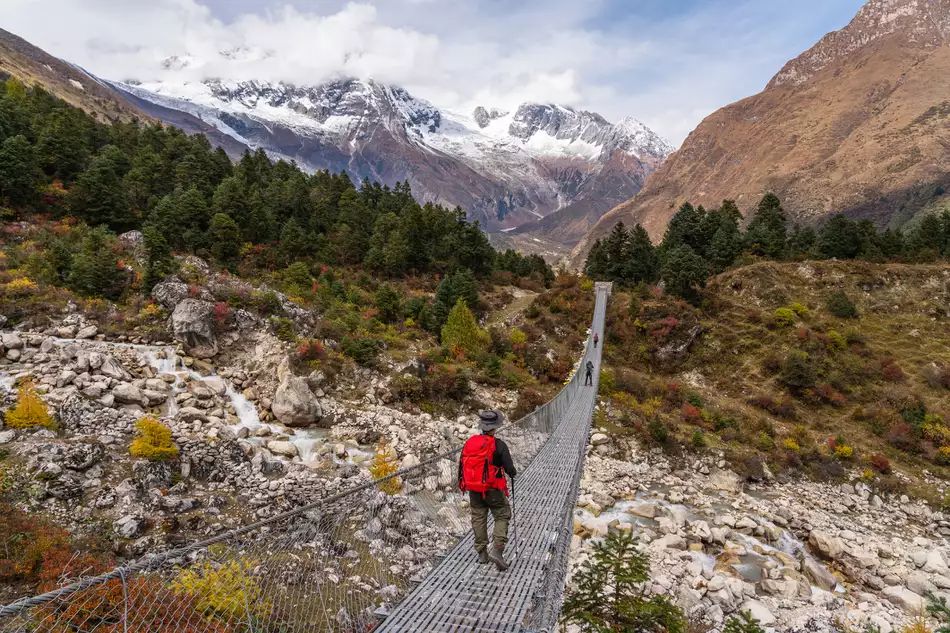
The Manaslu Circuit Trek is one of Nepal’s most spectacular high-altitude trekking adventures, taking you from lush river valleys and traditional mountain villages to the dramatic alpine landscapes beneath Mount Manaslu. The journey combines breathtaking Himalayan scenery, Tibetan-influenced culture, remote villages, ancient monasteries, suspension bridges and the challenging crossing of Larkya La Pass.
For trekkers looking for an experience that feels remote, culturally rich and physically rewarding, the Manaslu Circuit is an excellent choice.
Unlike some of Nepal’s more established trekking routes, the Manaslu region retains a strong sense of wilderness and traditional Himalayan life. The trail follows the Budhi Gandaki Valley before climbing toward the high settlements of Lho, Shyala, Sama Gaun, Samdo and Dharamsala, eventually crossing Larkya La before descending toward Bhimthang and the Marsyangdi Valley.
This Manaslu Circuit Trek Guide 2026 covers everything you need to know before planning the trek, including the route, itinerary, permits, cost, difficulty, altitude, best seasons, accommodation, food, packing list, altitude sickness and practical preparation tips.
Manaslu Circuit Trek at a Glance
This Manaslu Circuit Trek Guide provides a complete overview of one of Nepal’s most spectacular Himalayan trekking adventures. From the starting point and trekking duration to the highest altitude, difficulty level, permits, accommodation and best seasons, understanding these essential details will help you plan your journey with confidence.
The Manaslu Circuit Trek takes you through remote mountain villages, diverse landscapes, Tibetan-influenced communities and breathtaking Himalayan scenery before reaching the challenging Larkya La Pass at 5,106 meters. Whether you are planning your first high-altitude adventure or looking for a less crowded trekking experience in Nepal, this guide covers the key information you need before setting out on the Manaslu Circuit.
| Trek Feature | Details |
| Trek Region | Manaslu, Nepal |
| Difficulty | Moderate to Challenging |
| Highest Point | Larkya La Pass – 5,106 m |
| Starting Point | Machha Khola |
| Ending Point | Tilije / Besisahar |
| Average Trekking Hours | 5–6 hours per day |
| Best Seasons | Spring and Autumn |
| Accommodation | Teahouse / Mountain Lodge |
| Recommended Group Size | 2–10 people |
| Main Highlight | Larkya La Pass crossing |
| Mountain Highlight | Mount Manaslu (8,163 m) |
Himalayan Yatri’s current Manaslu Circuit itinerary follows a 16-day route from Machha Khola toward Tilije, with an average of 5–6 trekking hours per day and a highest point of 5,106 m at Larkya La Pass.
What Is the Manaslu Circuit Trek?
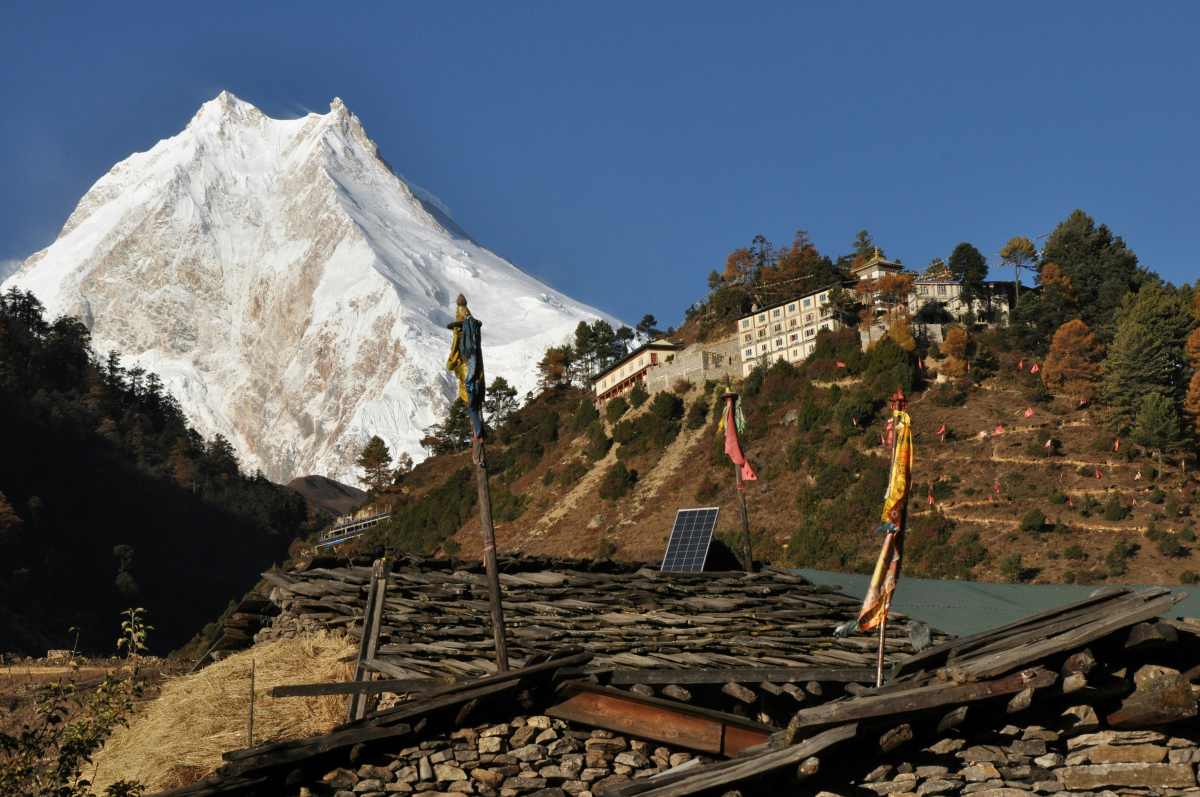
The Manaslu Circuit Trek is a long-distance Himalayan trek around Mount Manaslu, the eighth-highest mountain in the world at 8,163 m.
The route begins in the lower valleys of the Gorkha region and gradually follows the Budhi Gandaki River through forests, waterfalls, suspension bridges and traditional villages. As you gain altitude, the landscape changes from subtropical forests to alpine terrain and eventually to the high Himalayan environment surrounding Larkya La.
One of the defining characteristics of the trek is its cultural diversity. Lower sections of the trail feature communities influenced by Gurung traditions, while the upper Manaslu region has a strong Tibetan Buddhist cultural influence, visible in monasteries, mani walls, chortens, prayer flags and traditional mountain settlements.
The final major challenge is the crossing of Larkya La Pass, after which the trail descends toward Bhimthang and eventually joins the Marsyangdi Valley.
Why Choose the Manaslu Circuit Trek?
The Manaslu Circuit Trek is an excellent choice for trekkers who want to experience the natural beauty and cultural richness of the Nepal Himalayas while exploring a relatively remote trekking region. The route offers stunning views of Mount Manaslu, traditional mountain villages, ancient monasteries, dramatic valleys and diverse landscapes that change with altitude.
Trekkers can experience the warm hospitality of local communities while learning about the Tibetan Buddhist traditions of the upper Manaslu region. The challenging crossing of Larkya La Pass adds another exciting element to the journey. Together, these experiences make the Manaslu Circuit a rewarding adventure for travelers seeking scenery, culture and high-altitude adventure.
1. Spectacular Views of Mount Manaslu
The trek provides increasingly impressive views of Mount Manaslu and surrounding peaks as you climb higher.
From villages such as Lho, Shyala and Sama Gaun, the Himalayan panorama becomes one of the major highlights of the journey.
The route also offers views of peaks including Manaslu, Himal Chuli, Naike Peak and other surrounding mountains.
2. Authentic Himalayan Villages
The Manaslu region provides opportunities to experience traditional mountain communities and lifestyles.
Villages such as Namrung, Lho, Shyala, Sama Gaun and Samdo offer a glimpse into life in the high Himalayas.
Rather than simply walking between viewpoints, the trek becomes a journey through living mountain communities.
3. Tibetan Buddhist Culture
As you move toward the upper Manaslu region, Tibetan Buddhist influence becomes increasingly visible.
You will encounter:
- Buddhist monasteries
- Mani walls
- Chortens
- Prayer flags
- Traditional villages
- Mountain monasteries
- Tibetan-influenced architecture
This cultural aspect makes the Manaslu Circuit much more than a mountain trek.
4. Larkya La Pass
The crossing of Larkya La Pass at approximately 5,106 m is the defining challenge of the trek.
The pass is also one of the most rewarding points of the journey, with dramatic mountain scenery surrounding the trail.
The crossing is demanding and normally requires an early start, good preparation and appropriate acclimatization.
5. Diverse Landscapes
One of the biggest attractions of the Manaslu Circuit is how dramatically the environment changes throughout the trek.
You can experience:
- Green forests
- River valleys
- Waterfalls
- Suspension bridges
- Terraced hillsides
- Traditional villages
- Alpine meadows
- Glacial landscapes
- Snow-covered mountain passes
This variety makes each section of the trail feel different.
Manaslu Circuit Trek Difficulty
The Manaslu Circuit Trek is generally considered a moderate to challenging Himalayan trek and requires reasonable physical preparation. Although the route does not involve technical mountaineering, trekkers need to be comfortable walking for several hours a day over uneven and sometimes steep terrain.
The increasing altitude, long trekking days, changing weather and remote sections of the trail can make the journey physically demanding. The crossing of Larkya La Pass at approximately 5,106 meters is usually the most challenging part of the trek. With proper training, gradual acclimatization, appropriate equipment and experienced local guidance, physically fit trekkers can successfully complete this rewarding Himalayan adventure.
The main factors that make the trek challenging are:
- High altitude
- Long trekking days
- Steep ascents and descents
- Remote terrain
- Changing weather
- Larkya La Pass
- Limited facilities at higher elevations
The most demanding day is generally the Larkya La crossing, which can involve approximately 8–10 hours of trekking. Himalayan Yatri’s current itinerary classifies the trek as moderate to challenging.
Who Can Do the Manaslu Circuit Trek?
The trek can be suitable for people with good general fitness and a willingness to prepare properly. Previous high-altitude trekking experience is helpful but not always essential. Before the trek, you should be comfortable with:
- Walking 5–7 hours on consecutive days
- Uphill and downhill terrain
- Carrying a daypack
- Walking at high altitude
- Cold temperatures
- Long trekking days
A good training program before departure can make a significant difference.
Manaslu Circuit Trek Altitude and Acclimatization
Altitude is one of the most important considerations when planning the Manaslu Circuit Trek. The trail begins at a relatively low elevation and gradually climbs through the Budhi Gandaki Valley before reaching high-altitude settlements such as Sama Gaun, Samdo and Dharamsala. The highest point of the trek is Larkya La Pass at approximately 5,106 meters, making proper acclimatization essential. A carefully planned itinerary allows your body enough time to adjust as you gain elevation. Staying hydrated, maintaining a steady pace, eating properly and informing your guide about any unusual symptoms are important parts of managing altitude during the Manaslu Circuit Trek.
Important elevations include:
- Bihi Gaun – 2,130 m
- Namrung – 2,630 m
- Lho – 3,300 m
- Shyala – 3,520 m
- Sama Gaun – 3,530 m
- Samdo – 3,860 m
- Dharamsala – 4,460 m
- Larkya La – approximately 5,106 m
Himalayan Yatri’s itinerary includes a Serang Monastery acclimatization hike and a gradual progression through Shyala, Sama Gaun and Samdo before the Larkya La crossing.
Best Time for Manaslu Circuit Trek
Choosing the right season is essential for enjoying the best possible Manaslu Circuit Trek experience. Weather conditions in the Himalayas can change significantly throughout the year, affecting visibility, temperatures, trail conditions and the Larkya La Pass crossing. Spring, from March to May, generally offers pleasant trekking conditions, blooming rhododendrons and beautiful mountain scenery.
Autumn, from September to November, is another highly preferred season because of clearer skies and excellent Himalayan visibility following the monsoon. Winter can bring snow and freezing temperatures at higher elevations, while the monsoon season can result in rain, muddy trails and landslides in lower sections of the route.
Spring: March to May
Spring offers warmer conditions, blooming rhododendrons and generally favorable trekking weather.
March and April can provide excellent mountain visibility, while May can become warmer at lower elevations.
Spring is particularly attractive if you want a combination of mountain views and colorful landscapes.
Autumn: September to November
Autumn is widely considered one of the best seasons for trekking in Nepal.
The monsoon usually leaves behind clearer skies, fresh landscapes and good mountain visibility.
October and November are particularly popular for the Manaslu Circuit.
Winter: December to February
Winter is possible but significantly more challenging at higher elevations.
Snow and freezing temperatures can affect the Larkya La crossing and accommodation availability.
Trekkers choosing winter should be properly equipped and prepared for changing mountain conditions.
Monsoon: June to August
The monsoon brings rain, clouds, muddy trails and potential landslides, particularly in the lower sections. Although experienced trekkers may still travel during this period, it is generally not the preferred season for the Manaslu Circuit.
For Himalayan Yatri’s standard itinerary, spring and autumn are listed as the suitable seasons.
Manaslu Circuit Trek Permits
Obtaining the correct permits is an essential part of planning your Manaslu Circuit Trek because the region includes a designated restricted trekking area. Trekkers need the appropriate permits to legally access the different sections of the route and pass through the required checkpoints.
Depending on the itinerary, these generally include the Manaslu Restricted Area Permit, Manaslu Conservation Area Permit and the Annapurna Conservation Area Permit for the relevant sections after crossing Larkya La. Permit fees and regulations can change, so it is important to confirm the latest requirements before your trek. Working with a registered trekking agency makes the permit process easier and ensures the necessary documentation is arranged correctly.
For foreign trekkers, the main permits generally include:
1. Manaslu Restricted Area Permit (RAP)
The Manaslu Restricted Area Permit is required for the restricted section of the route.
According to Nepal’s Department of Immigration, the current listed fee for the Gorkha Manaslu restricted area is:
- September–November: USD 100 per week
- December–August: USD 75 per week
- Additional daily fees apply beyond the first week.
2. Manaslu Conservation Area Permit (MCAP)
The route passes through the Manaslu Conservation Area, so trekkers also require the applicable conservation permit.
3. Annapurna Conservation Area Permit (ACAP)
The standard circuit descends toward the Annapurna region after crossing Larkya La, so an ACAP is generally required for the section through the Annapurna Conservation Area.
Do You Need a Trekking Agency?
Restricted-area trekking permits are handled through registered trekking agencies, and the Department of Immigration states that trekking permits for restricted areas are issued through listed trekking agencies.
Because permit regulations and fees can change, trekkers should confirm the latest requirements with their trekking agency before departure.
Manaslu Circuit Trek Cost
Understanding the overall cost of the Manaslu Circuit Trek can help you plan your Himalayan adventure without unexpected expenses. The total price depends on several factors, including the length of the trek, group size, transportation, permits, accommodation, meals, guide and porter services, equipment and personal expenses.
Organized trekking packages can make budgeting easier because many essential services are included in one price. However, trekkers should also consider additional expenses such as international flights, travel insurance, Nepal visa fees, personal equipment, drinks, laundry, internet and tips. Before booking, always check the latest package details carefully to understand what is included and excluded from the trekking cost.
The total cost of a Manaslu Circuit Trek depends on several factors, including:
- Trek duration
- Group size
- Accommodation standard
- Guide and porter services
- Transportation
- Permits
- Meals
- Personal expenses
- Travel insurance
- Equipment rental
- Season
A typical organized trek package may include transportation, accommodation, meals, guide, porter, permits and government taxes.
Himalayan Yatri’s current Manaslu package includes airport transfers, ground transportation, three meals per day during the trek, teahouse accommodation, licensed guides, porters, permits and entry fees, trekking equipment such as a duffel bag and trekking poles, and applicable taxes and service charges.
However, international flights, Nepal visa fees, personal equipment, personal insurance, alcoholic and bottled drinks, laundry, internet, personal expenses and tips are excluded from the listed package inclusions.
For an accurate current price, it is best to check the latest Manaslu Circuit Trek package before booking because transportation, permit and operational costs can change.
Accommodation During the Manaslu Circuit Trek
Accommodation along the Manaslu Circuit Trek is mainly provided through teahouses and mountain lodges located in the villages along the route. These accommodations offer trekkers a simple and comfortable place to rest after a long day of walking. In the lower sections of the trail, accommodation options and facilities are generally more developed, while higher-altitude villages offer more basic services.
Rooms typically include beds and mattresses, while dining areas provide a place to eat and relax. As you approach Samdo, Dharamsala and Larkya La, facilities become increasingly limited and temperatures can be very cold, making a suitable sleeping bag an important part of your trekking gear.
Most teahouses provide:
- Basic rooms
- Beds and mattresses
- Blankets
- Dining areas
- Hot meals
- Tea and coffee
- Basic charging facilities in many locations
At higher elevations, facilities can be more limited and temperatures can be very cold.
A good sleeping bag is therefore an important part of your trekking equipment.
Food on the Manaslu Circuit Trek
Food provides the energy you need for long trekking days, making nutrition an important part of your Manaslu Circuit experience. Teahouses along the route generally offer a variety of Nepali, Tibetan and familiar international dishes to suit trekkers’ needs. Popular options can include dal bhat, rice, noodles, pasta, soup, momo, potatoes, eggs, porridge, pancakes and Tibetan bread.
Dal bhat is particularly popular among trekkers because it provides a filling combination of carbohydrates and protein. As you climb higher into remote mountain settlements, food choices may become more limited and prices can increase. Eating regular meals and staying hydrated can help maintain your energy throughout the trek.
Typical options may include:
- Dal bhat
- Rice
- Noodles
- Pasta
- Soup
- Momo
- Potatoes
- Tibetan bread
- Eggs
- Porridge
- Pancakes
- Tea
- Coffee
Dal bhat remains one of the most practical trekking meals because it provides carbohydrates and protein and can be replenished as needed.
At higher elevations, food choices can become more limited, so maintaining regular meals is important.
Manaslu Circuit Trek Packing List
Packing correctly is essential for a comfortable and safe Manaslu Circuit Trek because the route passes through a wide range of elevations and weather conditions. You may experience warm temperatures in the lower valleys before encountering cold, windy and potentially snowy conditions at higher elevations.
Your packing list should therefore include layered clothing, waterproof trekking boots, a warm down jacket, thermal wear, gloves and appropriate rain protection. Essential trekking equipment such as trekking poles, a sleeping bag, backpack, headlamp, water bottles, sunglasses and sunscreen should also be included. Carry important personal documents, travel insurance details, toiletries and any required personal medication throughout your journey.
Clothing
- Moisture-wicking T-shirts
- Trekking trousers
- Thermal base layers
- Fleece jacket
- Down jacket
- Waterproof jacket
- Waterproof trousers
- Warm socks
- Underwear
- Gloves
- Warm hat
- Sun hat
- Buff or neck warmer
Footwear
- Waterproof trekking boots
- Extra trekking socks
- Camp shoes or sandals
- Gaiters if required by seasonal conditions
Trekking Equipment
- Trekking poles
- Sleeping bag suitable for cold temperatures
- Backpack/daypack
- Duffel bag
- Headlamp
- Water bottles or hydration system
- Sunglasses
- Sunscreen
- Personal first-aid supplies
Personal Essentials
- Passport
- Permits/documents
- Travel insurance details
- Power bank
- Camera
- Toiletries
- Lip balm
- Hand sanitizer
- Personal medication
Himalayan Yatri also recommends equipment such as trekking poles, waterproof footwear, warm layers, a down jacket, gloves, sunglasses and a cold-weather sleeping bag for Himalayan trekking.
Manaslu Circuit Trek vs Annapurna Circuit
The Manaslu Circuit Trek and Annapurna Circuit Trek are two of Nepal’s most famous long-distance Himalayan trekking routes, but they offer distinctly different experiences. Manaslu is known for its remote atmosphere, restricted trekking areas, traditional villages and strong Tibetan Buddhist influence, while the Annapurna Circuit generally has more developed infrastructure and easier access along many sections. Both routes feature spectacular mountain scenery and high-altitude passes, with Larkya La on the Manaslu Circuit and Thorong La on the Annapurna Circuit. Choosing between them depends on your preferred level of remoteness, cultural experience, trekking difficulty and available infrastructure.
| Manaslu Circuit | Annapurna Circuit |
| More remote atmosphere | More developed infrastructure |
| Restricted-area trekking | Easier access |
| Strong Tibetan influence in upper villages | Highly diverse cultural landscape |
| Larkya La Pass | Thorong La Pass |
| Fewer facilities in remote sections | Generally more accommodation options |
| More expedition-style feel | More established trekking infrastructure |
If you are looking for a more remote and culturally immersive Himalayan experience, Manaslu can be an excellent choice.
Is Manaslu Circuit Trek Suitable for Beginners?
Yes, but with preparation.
The Manaslu Circuit is not an easy beginner trek. However, someone without previous high-altitude trekking experience can potentially complete it if they are physically prepared, follow a gradual itinerary and trek with an experienced guide.
The biggest challenge is not simply walking distance. Altitude, long trekking days, cold temperatures and the Larkya La crossing require preparation.
If you are new to high-altitude trekking, allow sufficient time for training and acclimatization.
Frequently Asked Questions About Manaslu Circuit Trek
How many days is the Manaslu Circuit Trek?
A standard itinerary can take around 14–17 days depending on the route and acclimatization plan. Himalayan Yatri currently offers a 16-day Manaslu Circuit Trek itinerary.
How high is Larkya La Pass?
Larkya La is approximately 5,106 m above sea level. Himalayan Yatri lists 5,106 m as the highest altitude of its Manaslu Circuit itinerary.
What is the best month for Manaslu Circuit Trek?
October and November are among the most popular months, while March, April and May are also excellent for trekking depending on weather and trail conditions.
Is Manaslu Circuit Trek difficult?
The trek is generally considered moderate to challenging. The major challenges are altitude, long trekking days, uneven terrain and the Larkya La Pass crossing.
Do I need a guide for Manaslu Circuit Trek?
Because the Manaslu region is a restricted trekking area, permit arrangements must be handled through an authorized trekking agency. Trekking with a licensed guide is strongly recommended for safety and logistics.
What permits are required for Manaslu Circuit Trek?
The standard route generally requires the Manaslu Restricted Area Permit, Manaslu Conservation Area Permit and Annapurna Conservation Area Permit for the relevant sections.
Can beginners do the Manaslu Circuit Trek?
Beginners with good physical fitness can potentially complete the trek, but it is important to prepare properly and understand that this is a high-altitude, moderate-to-challenging trek.
Is there Wi-Fi on the Manaslu Circuit?
Wi-Fi and mobile connectivity vary significantly by location. Connectivity becomes less reliable as you move into remote and higher sections of the route.
What type of accommodation is available?
The trek primarily uses teahouses and mountain lodges. Facilities are generally basic, particularly at higher elevations.
Is Manaslu Circuit better than Everest Base Camp?
Neither trek is universally better. Everest Base Camp is famous for its iconic Everest views and established trekking infrastructure, while Manaslu offers a more remote atmosphere, cultural immersion and the challenge of crossing Larkya La.
Final Thoughts: Is the Manaslu Circuit Trek Worth It?
Absolutely. The Manaslu Circuit Trek is ideal for trekkers who want more than a straightforward Himalayan walk.
It combines dramatic mountain scenery, remote villages, Tibetan Buddhist culture, challenging high-altitude terrain and the unforgettable experience of crossing Larkya La.
With the right preparation, a carefully planned itinerary, appropriate permits and experienced local support, the Manaslu Circuit can become one of the most rewarding adventures in Nepal.
If you are ready to experience the Himalayas beyond the usual routes, the Manaslu Circuit Trek with Himalayan Yatri offers a carefully planned 16-day journey through one of Nepal’s most spectacular mountain regions.
Ready to explore Manaslu? Plan your Manaslu Circuit Trek with Himalayan Yatri and begin your journey through the heart of the Himalayas.