
July 27, 2026
Khopra Ridge Trek: Complete Guide 2026
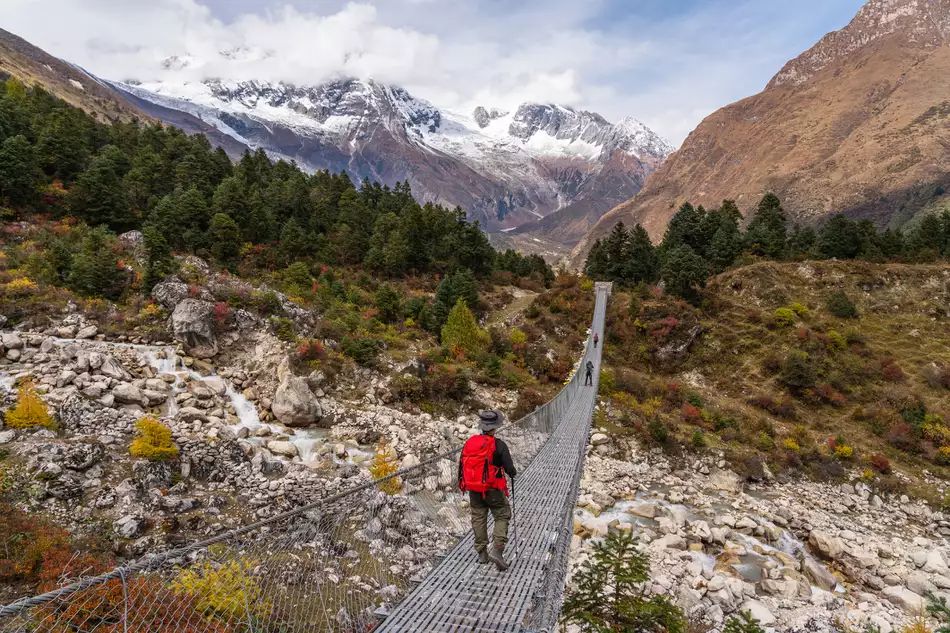
The Khopra Ridge Trek is a moderate, off-the-beaten-path trekking route in Nepal’s Annapurna Conservation Area that climbs to a forested ridge line at roughly 3,660 meters, with an optional extension to the alpine Khayar Lake at close to 4,660 meters. Unlike Everest Base Camp or the classic Annapurna Base Camp trail, Khopra Ridge sees a fraction of the foot traffic, which is exactly why so many trekkers who have done both routes now rank it above the more famous ones.
The trek typically runs 7 to 10 days round trip from Pokhara, depending on whether you add the Khayar Lake side trip and how many rest days you build in. Along the way, the trail passes through Gurung and Magar villages, dense rhododendron and oak forest, and open alpine meadows before reaching the ridge itself, where a short pre-dawn walk delivers uninterrupted views of more than 20 Himalayan peaks, including Dhaulagiri, Annapurna I, Nilgiri, and Machhapuchhre.
Because the trail was only opened to trekkers in the last decade or so, infrastructure is newer and noticeably quieter than nearby alternatives like Poon Hill or Annapurna Base Camp, even during the busiest trekking months of the year. For travelers who want serious Himalayan scenery without competing for teahouse beds or trail space, Khopra Ridge has become one of the most frequently recommended alternatives in the entire Annapurna region.
Why Trekkers Are Choosing Khopra Ridge Right Now• Far fewer trekkers than ABC or Poon Hill, even in peak season • Panoramic ridge-top sunrise views of 20+ Himalayan peaks • A rare two-in-one route: forested ridge walk plus alpine Khayar Lake • Authentic Gurung and Magar villages with genuine home-style hospitality • Newly opened trail, so infrastructure is fresh and trails are well-marked |
Khopra Ridge Trek at a Glance
Before working through logistics, it helps to see the trek’s core numbers side by side. This snapshot covers the same information most trekkers search for first altitude, duration, difficulty, and season condensed into one reference table you can return to while arranging flights, permits, and gear.
Two figures matter most: the trek’s maximum altitude and its typical duration, since both drive nearly every other planning decision, from the sleeping bag rating you’ll need to how many acclimatization days to build in. The “moderate” difficulty rating reflects average trail conditions on the core ridge route; the Khayar Lake extension pushes a couple of days into moderate-to-challenging territory because of the altitude gain involved in a single push above 4,000 meters.
| Detail | Information |
| Region | Annapurna Conservation Area, western Nepal |
| Trek duration | 7 to 10 days (varies by route and side trips) |
| Max altitude | Khayar Lake, approx. 4,660m (15,290ft); Khopra Ridge itself sits near 3,660m |
| Difficulty | Moderate; moderate-to-challenging with the Khayar Lake extension |
| Starting point | Nayapul or Ghandruk, reached by road from Pokhara |
| Accommodation | Teahouses and community-run lodges |
| Best seasons | Spring (March–May) and autumn (September–November) |
| Permits needed | ACAP permit and TIMS card |
| Daily walking time | 5 to 7 hours on average |
| Crowd level | Low — one of the quieter Annapurna routes |
Where Is Khopra Ridge and How Do You Get There?
Khopra Ridge sits in the Annapurna region of western Nepal, west of the more heavily trekked Annapurna Base Camp route and within the Annapurna Conservation Area. Most trekkers begin in Pokhara, Nepal’s lakeside gateway city to the Annapurna range, which you reach from Kathmandu by a scenic 25-minute domestic flight or a 6 to 7 hour drive along the Prithvi Highway through the hills. Pokhara itself is worth a day, both to arrange permits and to acclimatize slightly before heading into the mountains.
From Pokhara, a local jeep, shared bus, or private vehicle takes you roughly one to two hours to the trailhead, usually Nayapul or Ghandruk, both of which double as starting points for the Annapurna Base Camp and Ghorepani-Poon Hill routes. From there, the trail splits off toward Tadapani, Dobato, and eventually the Khopra viewpoint; this is where the trail traffic thins out and the trek starts to feel genuinely remote.
Road access ends well before the ridge itself, so every kilometer past Ghandruk is on foot. Mobile signal becomes patchy above Tadapani, and there are no ATMs past Pokhara, so plan cash and communications accordingly before you leave the city.
Best Time to Trek Khopra Ridge
Timing matters more on this trek than many people expect, since the route climbs high enough that weather and visibility shift quickly with the seasons. Autumn, from September through November, delivers the most stable weather of the year along with the sharpest mountain visibility, making it the season most guiding companies recommend for first-time visitors to the route. Spring, from March through May, runs a close second and adds a distinct advantage the autumn months don’t offer: rhododendron forests in full bloom across the mid-altitude sections of the trail.
Winter, from December through February, is workable for well-prepared trekkers who don’t mind cold, quiet trails and the real possibility of snow above 3,500 meters, but conditions are less predictable and some lodges reduce their services. The monsoon months of June through August are generally best avoided altogether; trails turn muddy and slippery, leeches appear at lower elevations, and cloud cover regularly blocks the long-distance mountain views that are the whole point of the trip.
| Season | Months | Conditions |
| Spring | March – May | Rhododendron forests in full bloom, mild days, clear morning views; afternoon clouds are common |
| Autumn | September – November | The most stable weather of the year, sharp mountain visibility, cool nights, busiest of the low-crowd months |
| Winter | December – February | Cold and quiet, snow likely above 3,500m, doable with the right gear but less predictable |
| Summer / Monsoon | June – August | Wet trails, leeches at lower elevation, limited long-distance views — generally best avoided |
How Difficult Is the Khopra Ridge Trek?
Khopra Ridge is generally rated moderate, sitting comfortably between an easy trek like Poon Hill and a demanding one like the Everest Three Passes. Most days involve 5 to 7 hours of walking with a mix of steep stone staircases, forest trail, and open ridge sections, and no technical climbing skills, ropes, or prior mountaineering experience are required at any point on the standard route.
What makes it slightly tougher than it looks on paper is the altitude gain if you add the Khayar Lake extension. Climbing from roughly 3,660 meters to 4,660 meters in a single push is a serious day even for experienced trekkers, and it’s the point in the itinerary where acute mountain sickness becomes a genuine risk. Watch for the standard warning signs: persistent headache, nausea, dizziness, and unusual fatigue that doesn’t improve with rest or hydration. Any of these are a signal to stop ascending and, if symptoms worsen, descend.
Reasonable fitness, a few months of hiking or stair-climbing preparation, and a sensible daily pace are usually enough to complete the trek comfortably. You don’t need previous high-altitude trekking experience to attempt Khopra Ridge, though anyone who has done a similar trek before will have an easier time judging their own limits, especially on the Khayar Lake day.
Permits Required for Khopra Ridge
Two permits cover the entire Khopra Ridge Trek, and neither is difficult to arrange. The Annapurna Conservation Area Permit, or ACAP, grants entry into the conservation area the trek passes through and funds local conservation and community projects. The TIMS card, short for Trekkers’ Information Management System, exists purely for trekker safety. It logs your route and movements so authorities can locate you in an emergency.
Both permits are issued through the Nepal Tourism Board offices in Kathmandu or Pokhara, and most trekking agencies handle the paperwork automatically as part of a guided package, which is one less thing to arrange yourself. Independent trekkers should plan to visit the tourism board office in Pokhara a day before departure, bring a couple of passport photos and your passport, and budget half a day in case of queues. Permit fees are modest relative to the overall trip cost and are typically paid in Nepali rupees or US dollars.
| Permit | Purpose | Where to Get It |
| ACAP (Annapurna Conservation Area Permit) | Required for entry into the Annapurna Conservation Area | Nepal Tourism Board office in Kathmandu or Pokhara |
| TIMS Card (Trekkers’ Information Management System) | Tracks trekker movement for safety purposes | Nepal Tourism Board office or through a registered agency |
Khopra Ridge vs. Annapurna Base Camp
Trekkers planning a trip to the Annapurna region almost always end up comparing Khopra Ridge. They share similar starting points around Ghandruk and Tadapani, which makes the comparison a fair one and the decision mostly about crowd tolerance, time available, and how much altitude you want to take on.
Annapurna Base Camp delivers the iconic amphitheater view of peaks surrounding the base camp itself and has the most established teahouse infrastructure of the three, at the cost of significant crowding in October and April. Khopra Ridge threads the needle between them: comparable mountain views to ABC, a moderate difficulty level similar to ABC’s, and a crowd level closer to a genuinely remote trek.
| Feature | Khopra Ridge | Annapurna Base Camp |
| Duration | 7–10 days | 7–12 days |
| Max altitude | ~4,660m (with Khayar Lake) | 4,130m |
| Crowd level | Low | High in peak season |
| Difficulty | Moderate | Moderate to challenging |
| Signature view | Sunrise ridge walk, Khayar Lake | Annapurna Sanctuary amphitheater |
| Best for | Trekkers wanting solitude plus big views | First-time high-altitude trekkers |
What to Pack for Khopra Ridge
Because temperatures swing from warm forest walking at lower elevations to sub-zero mornings at Khopra Ridge and Khayar Lake, layering is the single most important packing principle for this trek. Base layers should move moisture away from your skin, a mid layer should trap warmth, and an outer shell should block wind and light precipitation without you needing to carry a heavy mountaineering jacket.
Footwear deserves special attention: broken-in, waterproof hiking boots with ankle support handle the stone staircases and uneven forest trail far better than trail runners, and trekking poles noticeably reduce knee strain on the steep Dobato ascent and the long descents that follow. Above 3,000 meters, nights get cold enough that a sleeping bag rated to at least -10°C is worth the extra pack weight, especially if you’re adding the Khayar Lake night.
- Insulated down jacket for evenings and the Khayar Lake push
- Moisture-wicking base layers and a fleece mid-layer
- Waterproof, broken-in hiking boots with ankle support
- Trekking poles, especially for the steep Dobato ascent and descents
- Sleeping bag rated to at least -10°C for higher lodges
- Sun protection: hat, sunglasses rated for UV/snow glare, sunscreen
- Basic first-aid kit including altitude sickness medication approved by your doctor
- Reusable water bottle or bladder plus water purification tablets
- Headlamp for the pre-dawn walk to the Khopra viewpoint
- Cash in Nepali rupees as there are no ATMs once you leave Pokhara
How Much Does the Khopra Ridge Trek Cost?
Costs vary considerably depending on whether you trek independently or join a guided package. And on how many comfort items a private room, a porter, hot showers- you add along the way. A fully guided 7-to-9-day package booked through a Nepal-based agency, including a guide, permits, teahouse accommodation, and meals on the trail, typically runs between $500 and $900 per person, with the range driven mostly by group size and the level of service.
Independent trekkers who arrange their own permits and pay for lodging and food as they go can expect to spend roughly $20 to $30 per day, though this requires more legwork before departure and assumes you’re comfortable navigating without a guide. Porters and guides, if hired independently rather than through a package, typically charge $20 to $35 per day each, and tipping at the end of the trek is customary and appreciated, though not legally required.
| Expense | Estimated Cost (USD) |
| Guided package (7–9 days, all-inclusive) | $500 – $900 |
| Independent trekking (permits, lodging, food only) | $25 – $40 per day |
| ACAP permit | Approx. $25–30 |
| TIMS card | Approx. $10–20 |
| Porter (optional, per day) | $20 – $25 |
| Guide (optional, per day) | $25 – $35 |
Frequently Asked Questions About Khopra Ridge Trek
Is the Khopra Ridge Trek suitable for beginners?
Yes, in good physical condition. The core ridge trek without the Khayar Lake extension is achievable for beginners with some prior hiking experience, since the trail is well-marked and daily distances are manageable at 5 to 7 hours. The Khayar Lake side trip is significantly harder and better suited to trekkers with some altitude experience, given the single-day gain above 4,000 meters.
Do I need a guide for Khopra Ridge?
A guide isn’t legally mandatory since Khopra Ridge isn’t a restricted area, but it’s strongly recommended. The trail is less developed than Annapurna Base Camp, signage can be limited in poor weather or fog, and a local guide adds real value for safety, navigation, and cultural context in the Gurung and Magar villages along the way.
How cold does it get at Khopra Ridge and Khayar Lake?
Nighttime temperatures at Khopra Ridge commonly drop below freezing outside of summer, and Khayar Lake, at nearly 4,660 meters, can see temperatures well below -10°C at night during the shoulder seasons. A four-season sleeping bag and proper insulated layers are essential for anyone continuing to the lake.
Can I combine Khopra Ridge with the Annapurna Base Camp trek?
Some trekkers link the two routes since they share trailheads around Ghandruk and Tadapani, but combining them extends the trip considerably and requires strong fitness plus extra acclimatization days. Most trekkers treat Khopra Ridge as a standalone trip rather than an add-on to Annapurna Base Camp.
Is Khopra Ridge better than Annapurna Base Camp?
Neither trek is objectively better; they serve different goals. Khopra Ridge offers comparable mountain views with far fewer people on the trail, while Annapurna Base Camp delivers the iconic amphitheater of peaks around the base camp itself and has more established infrastructure. Trekkers who have done both routes often rate Khopra Ridge higher specifically for the solitude.
What is the highest point of the Khopra Ridge Trek?
The highest point is Khayar Lake, at approximately 4,660 meters (15,290 feet), reached as a side trip from the main Khopra Ridge camp at around 3,660 meters. Trekkers who skip the lake extension top out at the ridge itself.
How many days do I need for the Khopra Ridge Trek?
Most itineraries run 7 to 10 days including travel from and back to Pokhara. Seven days covers the core ridge trek without Khayar Lake, while 9 to 10 days allows for the lake extension plus a proper acclimatization day, which is the version most guiding agencies recommend.