
July 20, 2026
Everest Base Camp Trek: The Complete 2026 Guide
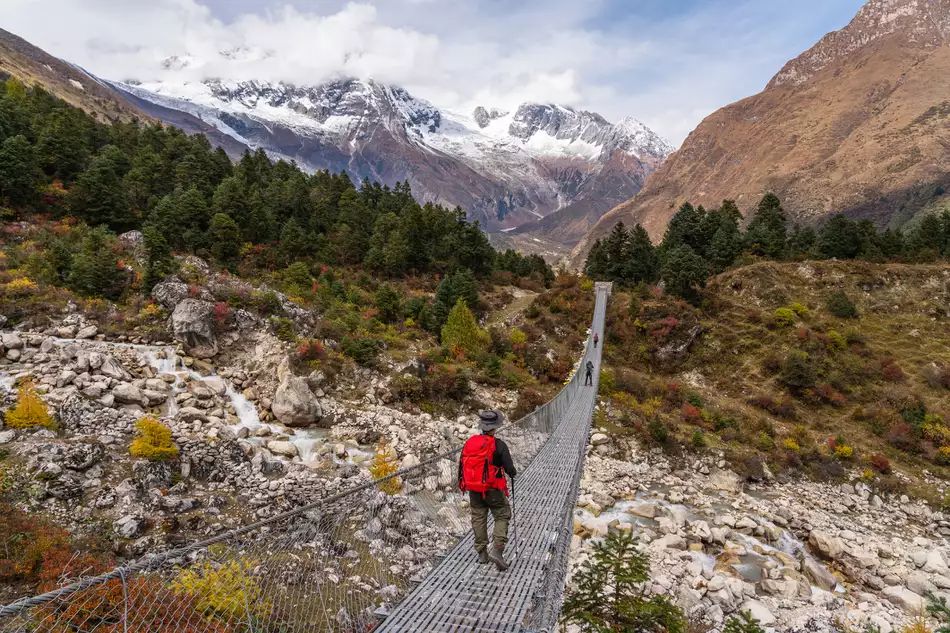
There’s a reason that makes the Everest Base Camp travel guide keep showing up on every “trip of a lifetime” list you scroll past. It’s not just about standing near the world’s tallest mountain; it’s the whole build-up to that moment: the tiny mountain airstrip at Lukla, the swinging suspension bridges, the smell of juniper incense drifting out of a monastery in Tengboche, and the slow, satisfying burn in your legs as the trail climbs higher each day.
If you’re thinking about doing the Everest Base Camp trek, you probably have a dozen questions already: How hard is it really? How much does it cost? What permits do you need? How do you avoid altitude sickness? This guide answers all of it, in plain language, so you can start planning with confidence instead of guesswork.
Why the Everest Base Camp Trek Is Worth It
Search “Everest Base Camp trek”, and you’ll find no shortage of opinions on whether it’s worth the money, the effort, and the physical toll. Having a clear picture of what you’re actually getting helps answer that for yourself. You’re not just walking to a pile of rocks with a view, you’re walking through Sagarmatha National Park, a UNESCO World Heritage Site, past centuries-old monasteries, and through Sherpa villages that have supported Everest expeditions since the 1950s.
Along the way, you’ll pass Tengboche Monastery, cross the Dudh Kosi river on high suspension bridges strung with prayer flags, and watch the skyline fill with some of the most recognizable peaks on Earth: Everest, Lhotse, Nuptse, and Ama Dablam. For most trekkers, it’s less about the destination and more about how much the trail changes you by the time you’re back in Lukla.
Everest Base Camp Travel Guide: Quick Facts
| • Distance: roughly 130 km (80 miles) round trip from Lukla
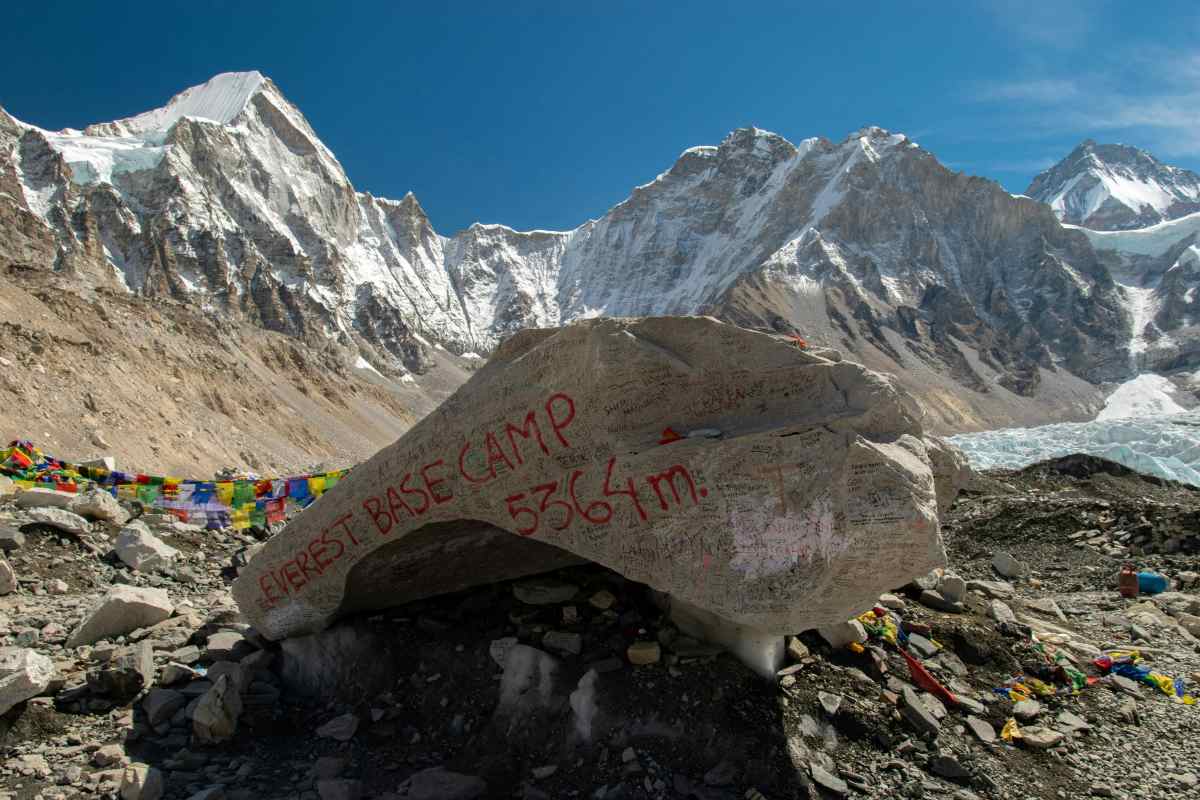
• Duration: 12–14 days on average, including acclimatization days • Max altitude: 5,364 m at Everest Base Camp, 5,545 m if you add Kala Patthar • Difficulty: Challenging, mainly due to altitude rather than technical terrain • Starting point: Lukla, reached by a short mountain flight from Kathmandu • Average cost: USD 1,200–2,500 depending on services and season |
Best Time for the Everest Base Camp Trek
Picking the right season matters more on this trek than almost any other decision you’ll make. Weather at high altitude can shut down flights to Lukla or bury the trail in snow, so timing your trek around Nepal’s clearer months pays off.
| Season | Months | What to Expect |
| Autumn (peak season) | September – November | Clear skies, stable weather, and the best mountain visibility of the year. Also the busiest time on the trail. |
| Spring | March – May | Warm days, blooming rhododendrons, and good visibility, second most popular season. |
| Winter | December – February | Very cold at altitude, but quiet trails and clear skies for those who don’t mind the chill. |
| Monsoon | June – August | Wet, cloudy, and prone to flight delays, generally not recommended for this route. |
If you want the classic postcard views of Everest, Lhotse, and Ama Dablam, aim for late September through November. If you’d rather skip the crowds and don’t mind bundling up, winter is an underrated option.
Everest Base Camp Trek Itinerary
Most trekking itineraries for Everest Base Camp follow a similar rhythm: a few hours of walking each day, broken up by two built-in acclimatization days that are just as important as the walking days themselves.
| Day | Route | Altitude |
| 1 | Fly Kathmandu to Lukla, trek to Phakding | 2,610 m |
| 2 | Phakding to Namche Bazaar | 3,440 m |
| 3 | Acclimatization day in Namche Bazaar | 3,440 m |
| 4 | Namche to Tengboche | 3,860 m |
| 5 | Tengboche to Dingboche | 4,410 m |
| 6 | Acclimatization day in Dingboche | 4,410 m |
| 7 | Dingboche to Lobuche | 4,910 m |
| 8 | Lobuche to Gorak Shep, then on to Everest Base Camp | 5,364 m |
| 9 | Sunrise at Kala Patthar, descend to Pheriche | 5,545 m / 4,240 m |
| 10 | Pheriche to Namche Bazaar | 3,440 m |
| 11 | Namche to Lukla | 2,860 m |
| 12 | Fly from Lukla to Kathmandu | 1,400 m |
Some itineraries stretch this out further with extra buffer days for weather delays at Lukla, which is worth building into your schedule since flights here are notoriously weather-dependent.
Everest Base Camp Trek Difficulty: How Hard Is It Really?
Here’s the honest answer: the Everest Base Camp trek isn’t technically difficult. You don’t need climbing skills, ropes, or crampons. What makes it hard is the altitude and the number of consecutive days spent walking uphill with less oxygen in the air each day.
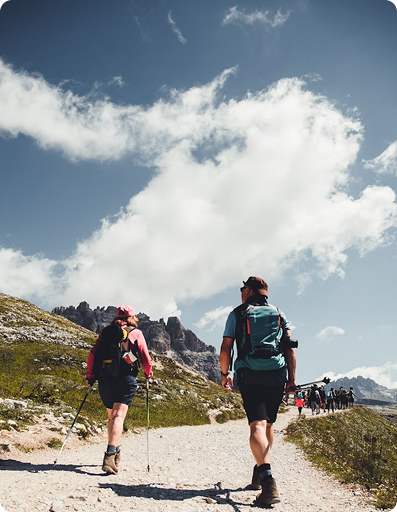
Expect to walk 5 to 7 hours a day on uneven, rocky trails, with some steep sections around Namche Bazaar and the final push to Everest Base Camp itself. If you can comfortably hike for several hours on consecutive days at home, you have the physical base you need. The bigger variable is how your body responds to altitude, which no amount of gym training can fully predict.
Everest Base Camp Travel Guide Cost Breakdown
Costs for this trek vary widely depending on how you organize it: a fully guided package, a semi-independent trip with just a guide, or a fully independent teahouse trek. Here’s roughly how the numbers break down.
| Expense | Approximate Cost (USD) |
| Domestic flights (Kathmandu–Lukla return) | $340–400 |
| Teahouse accommodation (12 nights) | $60–120 |
| Meals (12 days) | $250–400 |
| Permits (Sagarmatha National Park + Khumbu Rural Municipality entry) | $50–60 |
| Guide (per day, if hired) | $25–35 |
| Porter (per day, if hired) | $20–25 |
| Travel insurance with high-altitude and evacuation cover | $80–150 |
All told, most trekkers spend somewhere between USD 1,200 and 2,500 for the full trip, with fully guided packages from a trekking agency sitting toward the higher end since they bundle in permits, guides, and logistics.
Permits Required for the Everest Base Camp Trek
| Permit Checklist
• Sagarmatha National Park Entry Permit — required for anyone entering the park • Khumbu Pasang Lhamu Rural Municipality Entry Permit — replaced the old TIMS card for this specific region • Both permits can be arranged in Kathmandu or at the park entrance in Monjo • Carry a few passport photos and your passport; checkpoints will ask for both |
Everest Base Camp Trek Packing List
| What to Pack
• Broken-in, waterproof trekking boots with ankle support • A down jacket rated to at least -15°C for the higher camps • Moisture-wicking base layers, a warm mid-layer, and a waterproof outer shell • A 4-season sleeping bag (many teahouses provide only a blanket) • Trekking poles, they save your knees on the descent more than you’d expect • A headlamp, sunglasses with strong UV protection, and high-SPF sunscreen • Water purification tablets or a filter bottle • A basic first-aid kit, including altitude sickness medication approved by your doctor • Nepali rupees in cash, ATMs disappear after Namche Bazaar |
Altitude Sickness on the Everest Base Camp Trek
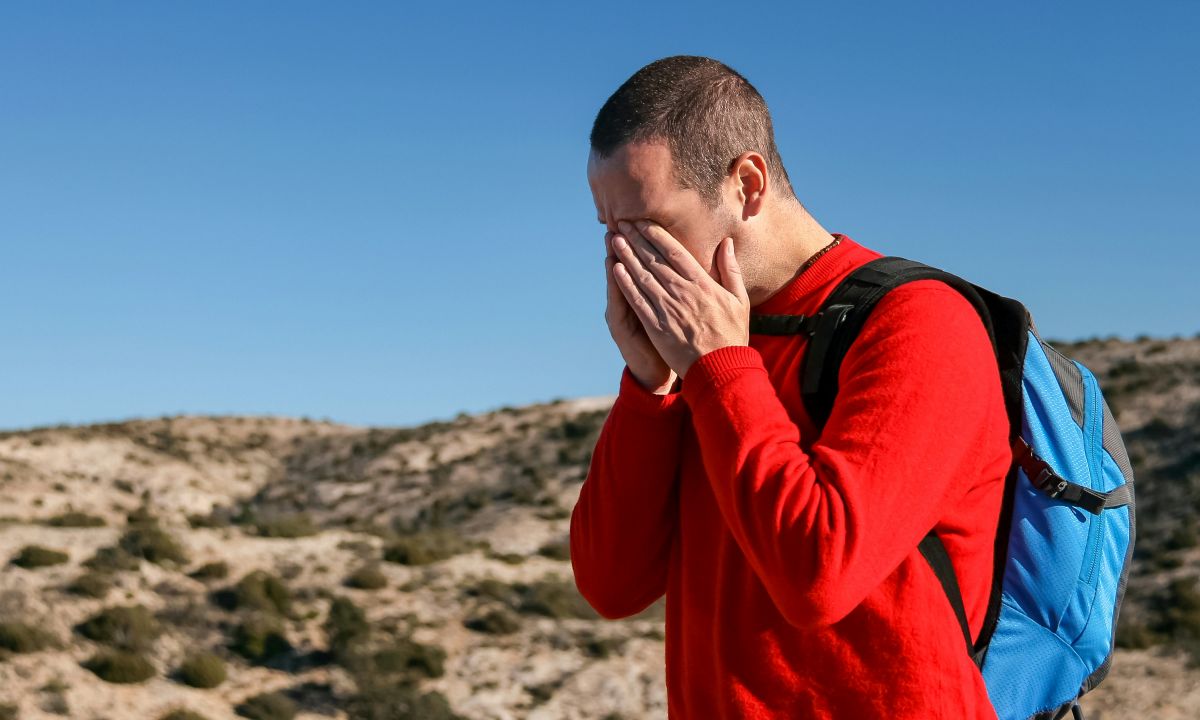
Altitude sickness is the single biggest risk on this trek, and it has nothing to do with fitness level. It’s caused by climbing faster than your body can adjust to thinner air, which is exactly why the itinerary above includes two dedicated acclimatization days.
| How to Avoid Altitude Sickness
• Don’t skip the acclimatization days in Namche Bazaar and Dingboche, they’re built in for a reason • Walk slowly and steadily, rushing uphill raises your risk significantly • Drink at least 3–4 liters of water a day • Avoid alcohol and sleeping pills above 3,000 meters • Watch for headache, nausea, dizziness, or loss of appetite, and tell your guide immediately if symptoms appear • If symptoms worsen at rest, descend; altitude sickness doesn’t improve by staying at the same elevation |
Everest Base Camp Trek Without a Guide: Is It Possible?
Yes, it’s possible to trek to Everest Base Camp independently; the trail is well marked, teahouses are frequent, and you won’t get lost in the way you might on a more remote route. That said, most first-timers still choose to hire a guide, and there are good reasons for it beyond just navigation.
- A guide can spot early signs of altitude sickness that you might dismiss as tiredness
- Guides know which teahouses are quieter, warmer, or have better food along a crowded route
- Hiring locally puts your trekking budget directly into the Sherpa community livelihoods
- If you’re trekking solo, a guide adds a safety net that’s hard to replace
If you’re an experienced high-altitude trekker with good route-planning instincts, going independently is a realistic option. If this is your first big mountain trek, a guide is worth the cost.
Everest Base Camp Trek vs. Other Everest Region Treks
Everest Base Camp isn’t the only way to experience the Khumbu region. If you have more time or want a quieter alternative, it’s worth comparing it against two other popular routes.
| Trek | Duration | Max Altitude | Highlight |
| Everest Base Camp | 12–14 days | 5,364 m | The classic route to the foot of Everest |
| Gokyo Lakes Trek | 12–14 days | 5,357 m | Turquoise glacial lakes and fewer crowds |
| Everest Three Passes | 18–21 days | 5,545 m | The full Khumbu experience, crossing three high passes |
Where to Stay: Teahouses on the Route
You won’t need a tent for this trek. Teahouses line the entire route from Lukla to Gorak Shep, offering a simple room, usually with twin beds and a shared bathroom, along with a dining hall heated by a central stove. Rooms are basic, but after a full day of walking, a hot bowl of dal bhat and a warm stove feel like luxury.
Rooms get occupied during peak autumn season, so if you’re trekking through a licensed agency, they’ll typically pre-book accommodation for you along the route. Independent trekkers should aim to arrive at each stop by early-to-mid afternoon to secure a room before it fills up.
Frequently Asked Questions
How long does the Everest Base Camp trek take?
Most itineraries run 12 to 14 days round trip from Lukla, including two acclimatization days. Shorter 8 to 9 day options exist using a helicopter for part of the route, but the classic walking itinerary gives your body the best chance to adjust to altitude.
How much does the Everest Base Camp trek cost?
Budget somewhere between USD 1,200 and 2,500 depending on whether you go fully guided, hire just a guide, or trek independently. Flights, permits, and travel insurance with high-altitude evacuation cover are the biggest fixed costs.
Do I need prior trekking experience for Everest Base Camp?
No prior high-altitude experience is required, but a reasonable fitness level helps. Regular hiking, stair climbing, or cardio training in the two to three months before your trip makes the daily walking much more manageable.
What is the best time of year for the Everest Base Camp trek?
Late September through November is the most popular window, thanks to clear skies and stable weather. Spring, from March to May, is a close second, with warmer days and blooming rhododendrons along the lower trail.
Is travel insurance required for the Everest Base Camp trek?
Yes, and it should specifically cover trekking at altitude and emergency helicopter evacuation, since regular travel insurance policies often exclude both. Given how remote parts of this route are, evacuation coverage isn’t optional in any practical sense.
Can beginners do the Everest Base Camp trek?
Yes, plenty of first-time trekkers complete this route successfully every season. The trail itself doesn’t require technical skill, success mostly comes down to pacing yourself, respecting the acclimatization days, and listening to your body along the way.
Final Thoughts
The Everest Base Camp trek asks a lot of you: early mornings, cold teahouses, and legs that will absolutely feel it by day five. But it gives back just as much, in mountain views that don’t photograph the same twice, in villages that have welcomed trekkers for generations, and in the quiet, almost unreal feeling of standing at the base of the tallest mountain on Earth.
Plan around the right season, respect the altitude, and give yourself enough days to enjoy it rather than rush it. The trail will do the rest.