
August 27, 2026
Altitude Sickness in Manaslu Circuit: Symptoms, Prevention & What Trekkers Need to Know
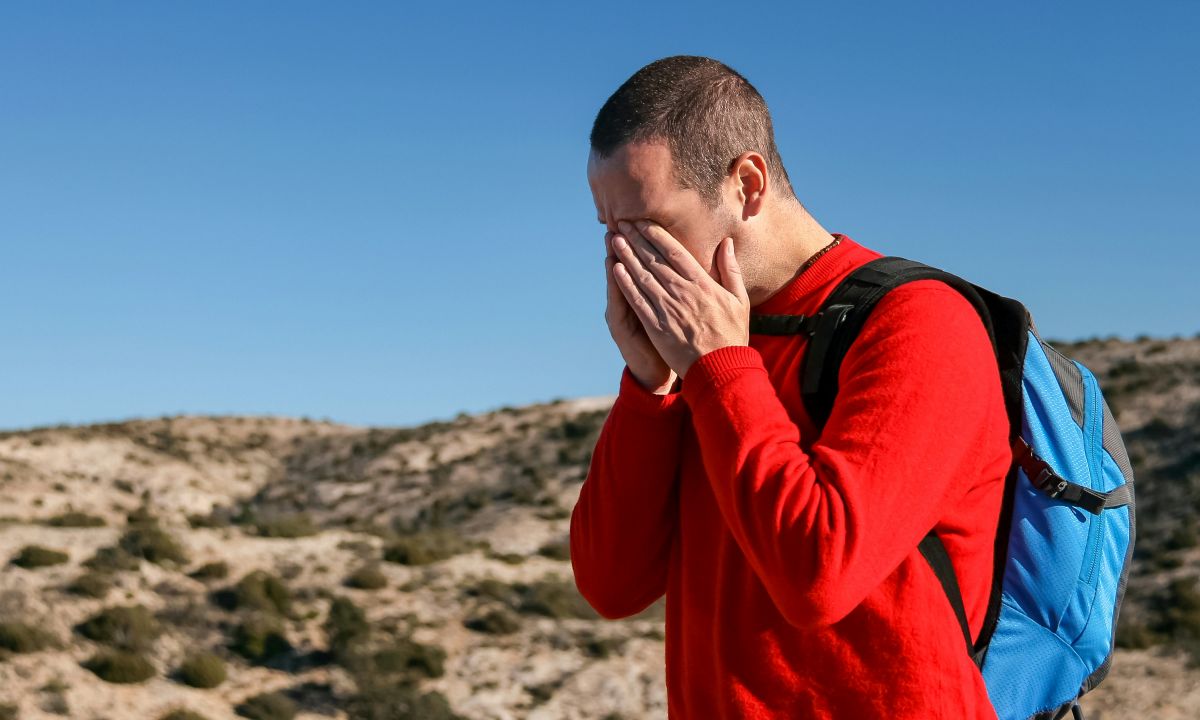
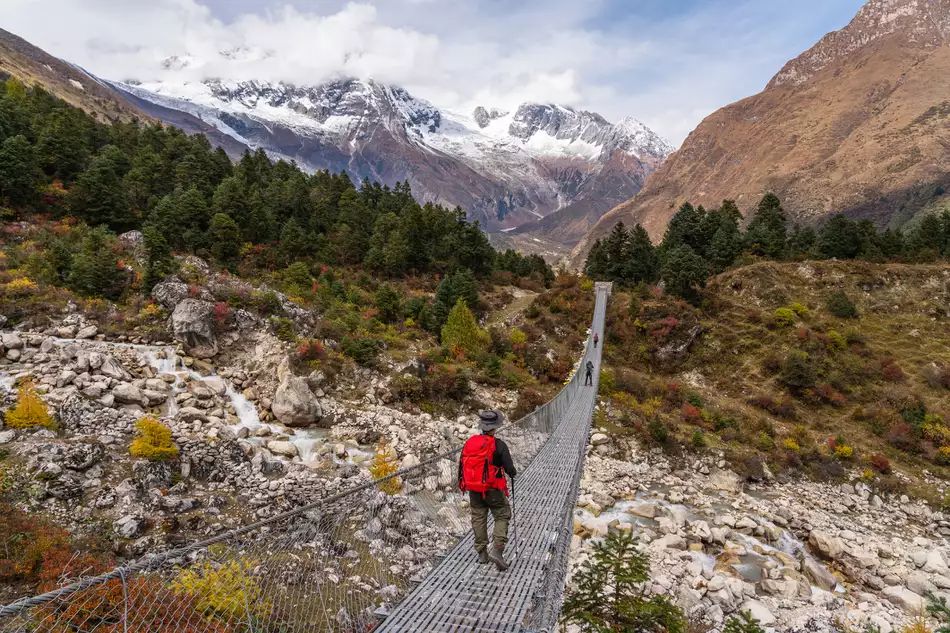
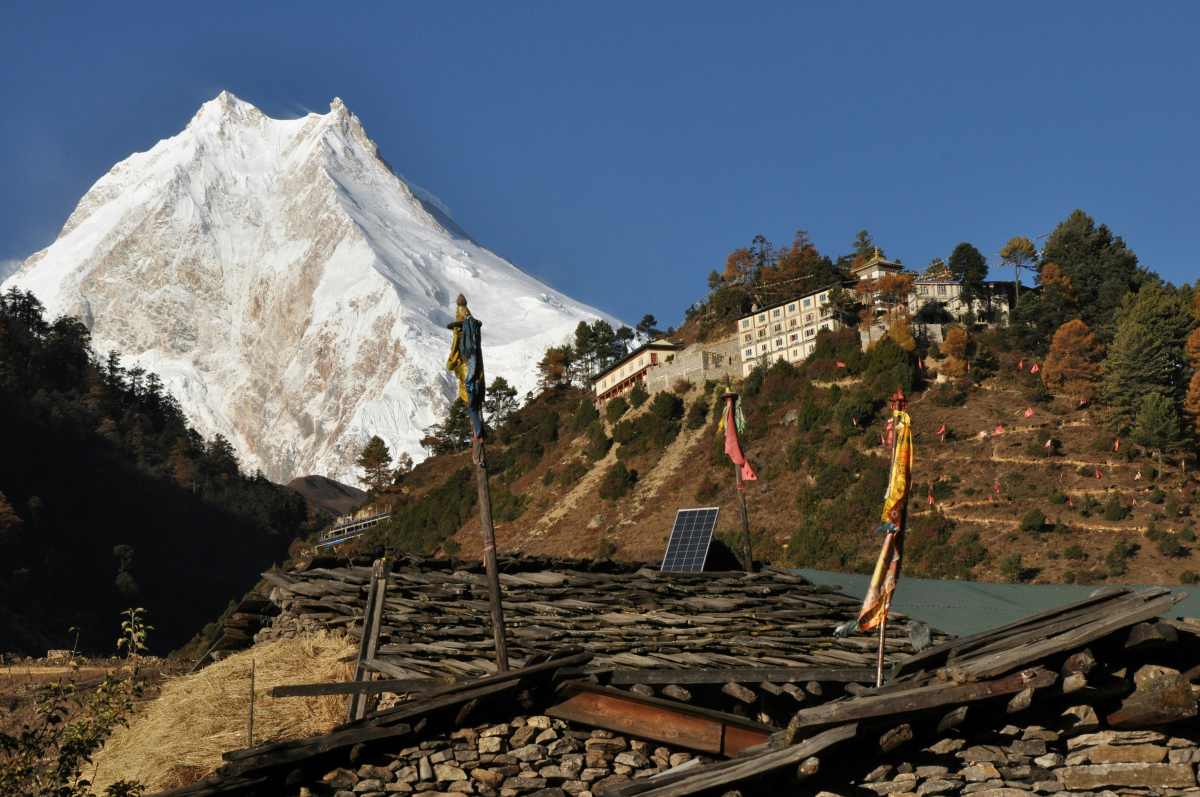
The Manaslu Circuit Trek is one of Nepal’s most rewarding Himalayan adventures, taking trekkers from lush lower valleys and traditional mountain villages into the remote highlands surrounding Mount Manaslu. But as the trail climbs higher, the landscape is not the only thing that changes. The amount of oxygen available in the air decreases, and this can affect the body. This is why altitude sickness in Manaslu Circuit is something every trekker should understand before starting the journey.
The Manaslu Circuit reaches its highest point at Larkya La Pass, around 5,106 meters, making altitude one of the most important factors to consider during the trek. Himalayan Yatri’s 16-day itinerary gradually moves from the lower elevations toward Bihi, Namrung, Lho, Shyala, Sama Gaun, Samdo and Dharamsala before crossing Larkya La.
The good news is that altitude sickness can often be prevented or managed when trekkers understand the warning signs, follow a sensible acclimatization schedule, and listen to their bodies.
What Is Altitude Sickness?
Altitude sickness, commonly called Acute Mountain Sickness (AMS), occurs when the body has not had enough time to adapt to the reduced oxygen available at higher elevations.
It can happen to anyone, regardless of age, fitness level, or previous trekking experience. Being physically fit does not make someone immune to altitude sickness. The main factors include the altitude reached, how quickly you ascend, previous experience with altitude, and individual susceptibility. The Wilderness Medical Society recommends considering both the altitude and the rate of ascent when assessing altitude-illness risk.
Altitude-related illness generally becomes a greater concern as trekkers move above approximately 2,500 meters. The Manaslu Circuit therefore enters an altitude range where proper acclimatization becomes increasingly important.
Why Is Altitude Sickness a Concern on the Manaslu Circuit?
The Manaslu Circuit does not take trekkers directly to extreme altitude. Instead, the route gradually climbs through forests, mountain villages and increasingly high alpine landscapes before reaching Larkya La Pass.
This gradual progression is important because the body needs time to adapt to lower oxygen levels.
Himalayan Yatri’s itinerary includes several important stages in this progression. After reaching Bihi Gaun at 2,130 m, trekkers take a day hike toward Serang/Nubri Monastery at approximately 3,100 m before returning to Bihi Gaun. The route then continues toward Namrung at 2,630 m, Lho Gaun at 3,300 m, Shyala at 3,520 m and Sama Gaun at 3,530 m.
Interestingly, Himalayan Yatri recommends spending the night at Shyala rather than skipping directly to Sama Gaun. Shyala and Sama Gaun are at almost the same elevation, but the additional stop provides a more gradual progression through this section of the trek.
The route then climbs further to Samdo at 3,860 m and Dharamsala/Phedi at 4,460 m before the demanding crossing of Larkya La Pass at 5,106 m.
As the altitude increases, trekkers should pay closer attention to symptoms such as headache, nausea, dizziness, unusual fatigue and loss of appetite.
When Does Altitude Sickness Usually Start?
Altitude sickness can develop within several hours after ascending to a higher elevation and commonly becomes noticeable during or after the first night at that altitude. Symptoms may also appear after moving higher during the trek.
On the Manaslu Circuit, trekkers should pay particular attention once they begin spending nights above approximately 3,000 meters. The section from Namrung to Lho, Lho to Shyala, Sama Gaun to Samdo and Samdo to Dharamsala deserves particular attention because the sleeping elevations continue to increase.
The final approach to Larkya La is especially demanding. Dharamsala/Phedi sits at approximately 4,460 m, while the pass rises above 5,100 m.
Common Symptoms of Altitude Sickness
Recognizing the early symptoms of AMS is important because mild symptoms can worsen if a trekker continues ascending.
Common symptoms include:
- Headache
- Nausea
- Loss of appetite
- Dizziness
- Unusual tiredness
- Weakness
- Difficulty sleeping
- Vomiting in some cases
A headache following recent ascent, combined with one or more symptoms such as nausea, dizziness, fatigue or loss of appetite, is characteristic of acute mountain sickness.
Don’t Ignore a Headache
A headache at altitude should not automatically be dismissed as dehydration, lack of sleep or exhaustion.
If you develop a headache together with nausea, dizziness or unusual fatigue after gaining altitude, tell your guide and monitor your condition rather than simply taking painkillers and continuing upward.
The key principle is simple:
Never hide altitude symptoms from your trekking guide. Your guide can help determine whether you should rest, remain at the same elevation or descend.
Mild AMS vs. Serious Altitude Illness
Mild AMS is uncomfortable but does not necessarily require immediate evacuation. However, it should never be ignored.
The more serious altitude-related conditions are:
High-Altitude Cerebral Edema (HACE)
HACE is a severe and potentially life-threatening form of altitude illness involving the brain.
Warning signs include:
- Confusion
- Severe difficulty walking or loss of coordination
- Altered mental state
- Extreme drowsiness
- Severe deterioration of symptoms
These symptoms require urgent descent and medical attention.
High-Altitude Pulmonary Edema (HAPE)
HAPE affects the lungs and is another potentially life-threatening altitude illness.
Warning signs can include:
- Breathlessness that is unusual for the level of activity
- Difficulty breathing while resting
- Persistent cough
- Weakness
- Chest tightness or discomfort
- Blue or grey lips or skin in severe cases
Suspected HAPE requires urgent descent and medical assistance. Oxygen may also be used where available, but descent remains a critical part of treatment in remote environments.
How to Prevent Altitude Sickness on the Manaslu Circuit
The best approach to altitude sickness is prevention.
1. Ascend Gradually
Your body needs time to adapt to reduced oxygen levels. The CDC’s 2026 Yellow Book recommends avoiding a rapid increase in sleeping altitude. Once above approximately 3,000 m, a commonly recommended approach is to increase sleeping altitude by no more than about 500 m per day, with additional acclimatization time as altitude increases.
This is one reason a well-planned Manaslu itinerary matters. Rather than rushing toward the pass, the trek gradually moves through intermediate elevations before reaching the highest section.
2. Take Acclimatization Seriously
Acclimatization is not a wasted trekking day. It is the process through which your body adjusts to the reduced oxygen available at altitude. The initial acclimatization process is particularly important during the first several days of exposure to high altitude. Spend time resting and exploring rather than treating every day as a race.
3. Walk at a Comfortable Pace
There is no prize for reaching the lodge first. At high altitude, walking slowly and steadily is usually more sustainable than maintaining a fast pace and exhausting yourself early in the day. Your guide can help set an appropriate pace based on the group and the conditions.
4. Stay Hydrated
Drink regularly throughout the trek and pay attention to your body’s needs. However, hydration should not mean forcing excessive amounts of water. Drink regularly, eat properly and replace fluids lost through exertion.
5. Eat Even When Your Appetite Drops
Loss of appetite is common at altitude, but your body still needs energy. Try to eat regular meals and choose foods that provide carbohydrates, protein and sufficient calories for long trekking days. Hot meals, soups and familiar foods can be particularly appealing in the colder high-altitude environment.
6. Avoid Alcohol at High Altitude
Alcohol can interfere with sleep and may worsen the effects of altitude exposure. The CDC recommends avoiding alcohol during the first 48 hours at high altitude and avoiding substances that depress breathing. For the Manaslu Circuit, it is better to prioritize rest, hydration and acclimatization as you move into the higher elevations.
7. Sleep Well and Rest
Sleep can become more difficult as altitude increases. Periodic breathing and more frequent awakenings are common at elevations above approximately 2,700 m. Don’t worry if your sleep is not perfect at high altitude. What matters is allowing enough time for rest and paying attention to any other symptoms.
8. Listen to Your Guide
An experienced trekking guide is one of your most important safety resources in the Himalayas. Guides familiar with the Manaslu region can monitor your pace, recognize changes in your condition and recommend appropriate action when necessary.
Himalayan Yatri states that its high-altitude trekking teams are trained in first aid and carry first-aid equipment and oxygen support, with emergency helicopter rescue arranged when required.
What Should You Do If You Develop Mild AMS?
If you develop mild symptoms such as headache, nausea, dizziness or unusual fatigue, do not continue ascending until your symptoms have improved.
Tell your guide immediately.
Depending on the severity of the symptoms, your trekking team may recommend:
- Resting at the current altitude
- Monitoring symptoms closely
- Avoiding further ascent
- Treating individual symptoms as medically appropriate
- Descending if symptoms worsen or fail to improve
The Wilderness Medical Society recommends that people with mild-to-moderate AMS should not ascend while symptomatic. If symptoms worsen or fail to improve despite appropriate measures, descent should be initiated. Severe AMS requires stopping ascent and descending.
Should You Take Diamox for the Manaslu Circuit?
Diamox is the brand name commonly used for acetazolamide, a medication that can help prevent and treat acute mountain sickness.
Acetazolamide works by helping the body acclimatize to altitude more quickly and is an established option for AMS prevention. However, it should not be treated as a substitute for proper acclimatization.
Whether you should take acetazolamide depends on your medical history, itinerary, previous altitude experience and other factors. Speak with a qualified doctor or travel-medicine professional before your trek to determine whether it is appropriate for you.
Do not start prescription medication simply because another trekker is taking it.
Can Physical Fitness Prevent Altitude Sickness?
Being fit is extremely useful for the Manaslu Circuit, but fitness alone does not prevent altitude sickness. A very fit runner can still experience AMS, while someone with moderate fitness may acclimatize well.
Physical preparation helps you handle:
- Long trekking days
- Steep ascents and descents
- Carrying a backpack
- Cold conditions
- Consecutive days of walking
But acclimatization is a separate physiological process. For that reason, training before the trek and ascending gradually should both be part of your preparation.
Why the Larkya La Pass Requires Extra Care
Crossing Larkya La Pass at approximately 5,106 m is one of the defining moments of the Manaslu Circuit Trek. It is also one of the most demanding days.
The route from Dharamsala/Phedi crosses high mountain terrain before reaching the pass and then descends toward Bhimthang. Himalayan Yatri’s itinerary describes this as an approximately 8–10 hour trekking day.
Because of the combination of altitude, cold, wind, early-morning departure and long walking hours, trekkers need to be properly acclimatized before attempting the pass.
The goal should not simply be to reach the highest point. The goal is to cross Larkya La safely and descend comfortably.
What If You Have Altitude Symptoms Near Larkya La?
Do not attempt to “push through” serious symptoms just because you are close to the pass. Being only a few hours away from the summit does not make severe symptoms less dangerous.
If your condition deteriorates, inform your guide immediately. Depending on the situation, the safest option may be to stop, descend or seek emergency assistance. At high altitude, turning around is not failure. It is responsible trekking.
Does Everyone Get Altitude Sickness on the Manaslu Circuit?
No. Some trekkers complete the Manaslu Circuit without significant altitude problems, while others may experience mild symptoms.
There is no reliable way to predict exactly who will develop AMS. Previous experience at altitude can provide some indication, but it does not guarantee that you will have the same experience on every trek. The CDC notes that individual susceptibility varies considerably.
That is why every trekker should follow altitude-safety principles, regardless of previous experience.
A Simple Altitude Safety Rule for Manaslu
Remember these five principles:
Go slowly.
Sleep lower when possible.
Do not ascend with worsening symptoms.
Tell your guide how you feel.
Descend if serious symptoms develop.
These simple habits can make a major difference during a high-altitude trek.
Final Thoughts
The Manaslu Circuit Trek offers an incredible combination of mountain scenery, remote villages, Buddhist culture and high-altitude adventure. But the higher reaches of the route demand respect.
Altitude sickness should not discourage you from trekking in the Manaslu region. Instead, understanding AMS, acclimatization and the warning signs of serious altitude illness allows you to prepare responsibly and make better decisions on the trail.
With a gradual itinerary, appropriate acclimatization, sensible pacing, adequate preparation and an experienced trekking team, you can approach the higher sections of the Manaslu Circuit with greater confidence.
And when you finally stand at Larkya La Pass above 5,000 meters, the experience will be much more rewarding when you know you reached it safely.
Important Medical Note
This article is intended for general trekking and travel information and should not replace professional medical advice. If you have a medical condition, take regular medication, have previously experienced serious altitude illness, or are unsure whether high-altitude trekking is appropriate for you, consult a qualified medical professional before traveling to Nepal.
If symptoms become severe, particularly confusion, difficulty walking, severe breathlessness or rapidly worsening illness, seek emergency assistance and descend to a lower elevation as quickly and safely as possible.
Trek the Manaslu Circuit with Himalayan Yatri
Altitude is an important part of preparing for the Manaslu Circuit, but it should not prevent you from experiencing one of Nepal’s most spectacular Himalayan journeys.
Himalayan Yatri’s 16-day Manaslu Circuit Trek follows a gradual route from the lower valleys toward the high mountain settlements of Lho, Shyala, Sama Gaun, Samdo and Dharamsala before crossing Larkya La Pass at 5,106 m and descending toward Bhimthang. The itinerary also includes higher-elevation day hikes and carefully planned overnight stops along the route.
The trek is rated moderate to challenging, with typical trekking days of around 5–6 hours, although the Larkya La crossing is a longer 8–10-hour day.
If you’re planning your Manaslu adventure, preparation matters. Train before your trek, understand the symptoms of altitude sickness, follow a gradual ascent, stay hydrated and communicate openly with your guide throughout the journey. Respect the altitude, take your time, and let the Himalayas unfold one step at a time.