
August 19, 2026
Manaslu Circuit Trek Difficulty: Is It Really That Hard?
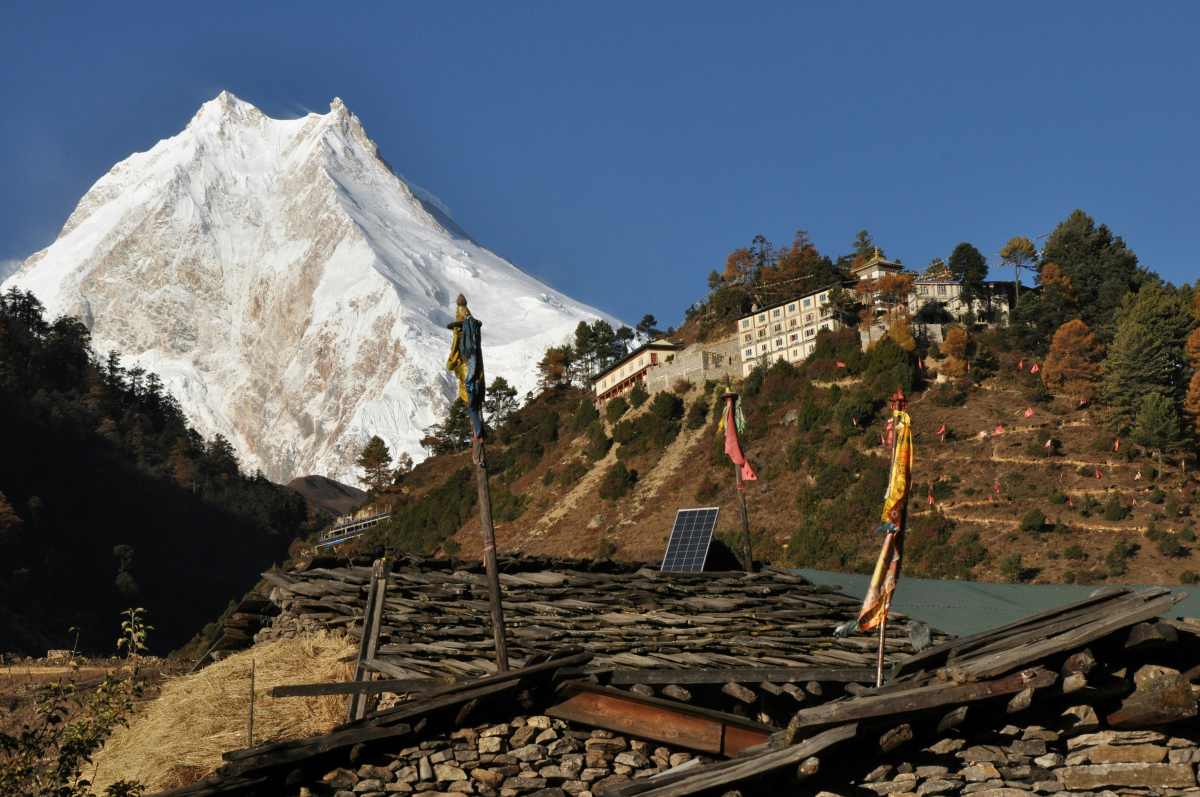
Planning to trek around Mount Manaslu but wondering how difficult the Manaslu Circuit Trek really is? It is a fair question, especially if this will be your first high-altitude trek in Nepal.
The Manaslu Circuit Trek is a moderate to challenging Himalayan trek. It is physically demanding, but you do not need technical climbing skills or previous mountaineering experience to complete it. With good preparation, a sensible itinerary, and enough time to acclimatize, most reasonably fit trekkers can take on the route.
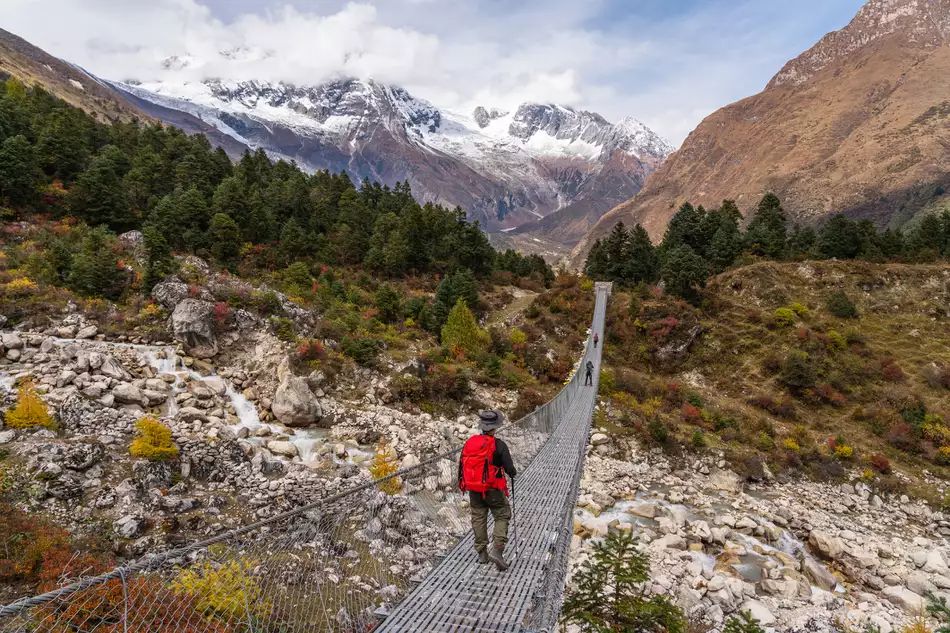
What makes the Manaslu Circuit challenging is the gradual change in terrain and altitude. The trek begins in the lower Budhi Gandaki Valley, where the trail passes through green hills, forests, rivers, waterfalls, and traditional villages. As you move higher, the trail becomes steeper and more rugged, the temperatures drop, and the air gets thinner. The biggest test comes when you cross Larkya La Pass at 5,106 meters (16,752 feet).
The pass is not a technical climb, but reaching it after several days of trekking requires stamina and proper acclimatization. You also have to deal with long walking days, rocky trails, steep ascents and descents, cold mornings, and the remote nature of the Manaslu region.
So, is the Manaslu Circuit Trek suitable for beginners? How many hours do you walk each day? How fit do you need to be, and how should you train before the trek? This guide covers the Manaslu Circuit Trek difficulty in detail, so you can understand exactly what to expect and decide whether this Himalayan adventure is right for you.
Manaslu Circuit Trek Difficulty at a Glance
| Difficulty Factor | Details |
| Overall difficulty | Moderate to challenging |
| Highest point | Larkya La Pass – 5,106 m |
| Trek duration | Usually 14–18 days |
| Average walking | 5–8 hours per day |
| Hardest section | Dharamsala to Bimthang via Larkya La |
| Technical climbing | Not required |
| Main challenge | Altitude and endurance |
| Fitness level | Good physical fitness recommended |
| Experience | Helpful but not essential |
| Best preparation | Hiking, cardio, stairs, and strength training |
The exact difficulty varies depending on your itinerary, weather, fitness, backpack weight, acclimatization, and personal response to altitude.
Why Is the Manaslu Circuit Trek Difficult?
The Manaslu Circuit Trek is not difficult for just one reason. The challenge builds gradually as the trail takes you from the lower Budhi Gandaki Valley into the high Himalayas. What begins as a walk through green hills and villages eventually becomes a demanding high-altitude trek involving long walking days, steep trails, cold temperatures, and the crossing of Larkya La Pass at 5,106 meters (16,752 feet).
Several factors contribute to the overall Manaslu Circuit Trek difficulty, including:
- High altitude and reduced oxygen
- Long days on the trail
- Steep ascents and descents
- Rocky and uneven terrain
- The Larkya La Pass crossing
- Cold and changing mountain weather
- Physical fatigue from consecutive trekking days
- Remote sections with basic facilities
- Risk of altitude-related illness
The difficulty also changes throughout the journey. The lower sections are generally warmer and greener, while the upper Manaslu region becomes colder, more rugged, and physically demanding. Once you reach Samagaon and the areas beyond, altitude becomes a much more important part of the trekking experience.
Here are the main factors that determine how hard the Manaslu Circuit Trek feels.
1. High Altitude
Altitude is one of the biggest challenges of the Manaslu Circuit Trek. The route gradually climbs from the lower Budhi Gandaki Valley to elevations above 4,000 meters before reaching Larkya La Pass at 5,106 meters (16,752 feet).
As you gain altitude, the air becomes thinner and your body gets less oxygen. Even a simple uphill walk can feel much harder than it does at lower elevations. You may experience headache, fatigue, dizziness, reduced appetite, shortness of breath, or difficulty sleeping.
Good physical fitness does not prevent altitude sickness, so acclimatization is just as important as training. A well-planned Manaslu Circuit Trek itinerary should include enough time for your body to adjust before reaching the highest sections.
Walking slowly, staying hydrated, eating properly, and listening to your body can make a big difference. If altitude symptoms become worse, inform your guide rather than trying to push through them.
2. Larkya La Pass
Larkya La Pass is usually the hardest and most demanding part of the Manaslu Circuit Trek. At 5,106 meters, it is the highest point of the trek and requires a combination of stamina, acclimatization, and mental strength.
The crossing normally begins early in the morning when temperatures are very cold. You then climb gradually toward the pass through high-altitude terrain. The thin air makes the ascent feel harder, even for experienced hikers.
After reaching the top, the day is not over. You still have a long descent toward Bimthang, making the entire crossing day around 8–10 hours or longer depending on weather, trail conditions, and walking pace.
The good news is that Larkya La is a trekking pass rather than a technical climbing route. You generally do not need ropes, climbing equipment, or mountaineering experience. Good fitness, proper acclimatization, suitable clothing, and a steady pace are the main requirements.
3. Long Walking Days
Another major factor in Manaslu Circuit Trek difficulty is the number of hours spent walking each day. Most trekking days involve around 5–8 hours on the trail, although some days are shorter and the Larkya La crossing can take considerably longer.
The real challenge is not completing one long hike. You have to continue walking for several consecutive days while gradually gaining altitude. Your legs may already be tired when another uphill section appears.
For this reason, endurance is more important than walking speed. Starting too quickly can leave you exhausted later in the day. A slow and consistent pace allows you to conserve energy and enjoy the trek more comfortably.
Training with longer hikes before your trip, especially on hills and uneven terrain, can help your body adjust to the demands of multiple trekking days.
4. Steep and Uneven Trails
The Manaslu Circuit offers a wide variety of terrain, and not every section is an easy walk. The trail includes rocky paths, stone steps, forest trails, suspension bridges, steep climbs, narrow sections, and long descents.
As you move into the higher elevations, the terrain becomes more rugged. Depending on the season and weather, you may also encounter snow, ice, or slippery sections around the higher parts of the route.
Downhill walking can be just as tiring as climbing, particularly after several hours on the trail. Long descents place extra pressure on your knees, thighs, and ankles.
This is why your preparation should include both uphill and downhill hiking. Exercises such as squats, lunges, step-ups, and stair climbing can also help strengthen the muscles you will use most during the trek.
5. Weather and Cold
Mountain weather can change quickly, and conditions at higher elevations can be very different from those in the lower valleys.
During the trek, you may experience sunshine, rain, strong winds, fog, snowfall, and freezing temperatures. The higher sections around Larkya La are particularly cold in the early morning, when most trekkers begin the pass crossing.
Snow or ice can also make the trail slower and more difficult to walk. Poor visibility can add another challenge, especially on high-altitude sections.
Proper clothing is therefore essential. A good layering system, warm jacket, waterproof outer layer, gloves, hat, and comfortable trekking boots can make a significant difference.
It is also important to remain flexible with your itinerary. If weather conditions become unsafe, your guide may recommend waiting or adjusting the day’s plan.
6. Remote Mountain Conditions
The remote nature of the Manaslu Circuit Trek is one of its biggest attractions, but it also adds to the overall challenge.
Compared with more developed trekking routes in Nepal, the Manaslu region has fewer facilities, particularly in the upper sections. As you climb higher, accommodation becomes simpler and access to modern services becomes limited.
You may stay in basic teahouses with simple rooms, shared bathrooms, limited hot water, basic food choices, and limited electricity. Mobile connectivity and charging facilities may also be less reliable in remote areas.
After a long day of walking, these basic conditions can make recovery more challenging. However, they are also part of the authentic mountain experience that attracts trekkers to Manaslu.
If you are comfortable with simple accommodation and a few days away from modern conveniences, the remote environment becomes one of the most memorable parts of the journey.
Is the Manaslu Circuit Trek Suitable for Beginners?
Yes, beginners can complete the Manaslu Circuit Trek, but it is not a trek to undertake without preparation. Although previous high-altitude trekking experience is helpful, you do not need to be an experienced mountaineer or a regular long-distance trekker.
The key is having a good level of fitness, proper acclimatization, and enough preparation before you start. The trek involves several hours of walking each day, steep ascents and descents, rugged trails, and a challenging crossing of Larkya La Pass at 5,106 meters.
If you are a first-time trekker, start training several months before the trip. Regular walking, hiking, stair climbing, and cardiovascular exercises can help build the endurance you need. It is also a good idea to complete a few long day hikes and at least one or two multi-day hikes before
Previous trekking experience can make the journey more comfortable because you already know how your body responds to long walking days, changing weather, basic accommodation, and physical fatigue.
So, is Manaslu suitable for a beginner? Yes, if you are reasonably fit, prepare properly, follow a gradual itinerary, and respect the effects of high altitude. With the right preparation and a steady pace, first-time Himalayan trekkers can take on this challenging but rewarding adventure.
How Can You Make the Manaslu Circuit Trek Easier?
The Manaslu Circuit is physically demanding, but the right preparation can make it much more comfortable. You do not need to walk fast or be an athlete. The key is to manage your energy, respect the altitude, and prepare for the mountain conditions.
1. Walk at a Comfortable Pace
Do not try to keep up with faster trekkers. A slow and steady pace helps conserve energy, especially on long uphill sections and at higher elevations. Consistency is more important than speedon the Manaslu Circ
2. Acclimatize Properly
Give your body enough time to adjust to increasing altitude. Never rush the itinerary just to finish the trek a day earlier. Proper acclimatization is particularly important before heading toward Larkya La Pass at 5,106 meters.
3. Keep Your Backpack Light
Carrying unnecessary weight can make every climb harder. Pack only essential items and consider using a porter if available. A lighter backpack reduces strain on your legs, shoulders, and back.
4. Stay Hydrated and Eat Well
Drink water regularly and eat enough throughout the day. Trekking at high altitude requires plenty of energy, even when your appetite is low. Carry easy-to-eat snacks such as nuts, dried fruit, or energy bars.
5. Use Proper Gear
Comfortable, broken-in trekking boots, warm layers, waterproof clothing, and trekking poles can make a noticeable difference. Good footwear is especially important on the rocky, steep, and uneven sections of the trail.
6. Listen to Your Guide and Your Body
An experienced guide can help you manage the pace, weather, altitude, and difficult sections of the trail. At the same time, pay attention to how you feel. If you experience worsening altitude symptoms or unusual exhaustion, speak up rather than pushing yourself.
With proper acclimatization, a manageable backpack, suitable gear, and a steady pace, you can make the Manaslu Circuit Trek significantly easier and more enjoyable.
Manaslu Circuit vs. Everest Base Camp vs. Annapurna
| Feature | Manaslu Circuit | Everest Base Camp | Annapurna Circuit |
| Difficulty | Moderate to challenging | Moderate to challenging | Moderate to challenging |
| Highest point | Larkya La – 5,106 m | Kala Patthar – 5,545 m | Thorong La – 5,416 m |
| Main challenge | Larkya La, rugged trails, altitude | High altitude and long climbs | High pass and altitude |
| Trail & terrain | Remote and rugged | Well-established | Diverse and more developed |
| Remoteness | High | Moderate | Lower |
| Crowds | Fewer | More crowded | Moderate to busy |
| Facilities | Basic in higher areas | Well-developed | Good infrastructure |
| Mountain experience | Remote and peaceful | Iconic Everest views | Diverse landscapes and villages |
| Best for | Adventure and solitude | Classic Everest experience | Variety and accessibility |
Best Time for the Manaslu Circuit Trek
Best Time for the Manaslu Circuit Trek
Choosing the best time for the Manaslu Circuit Trek can make a big difference to your trekking experience. Weather, trail conditions, snowfall, temperature, and mountain visibility all affect the overall difficulty of the trek. Spring and autumn are generally the most favorable seasons.
Spring: March to May
Spring is a popular time for trekking in Nepal. Weather conditions are generally favorable, and the mountain scenery can be excellent.
Autumn: September to November
Autumn is another highly recommended season. Skies are often clear after the monsoon, making it a popular period for the Manaslu Circuit.
Winter: December to February
Winter brings very cold conditions at high elevations. Snow and freezing temperatures can make Larkya La considerably more challenging.
Monsoon: June to August
Rain can make lower sections muddy and difficult, while landslides and transportation disruptions can affect travel.
Is the Manaslu Circuit Trek Worth the Difficulty?
Yes, the Manaslu Circuit Trek is absolutely worth the effort, especially for trekkers
The trek begins in the lower valleys, where you walk through green hills, forests, rushing rivers, waterfalls, and traditional villages. As you gain altitude, the landscape gradually changes into alpine terrain, Tibetan-influenced villages, ancient monasteries, glaciers, and spectacular Himalayan peaks.
The biggest challenge comes with the Larkya La Pass at 5,106 meters. Reaching the pass after several days of trekking requires endurance, but standing above 5,000 meters surrounded by incredible mountain views makes the effort worthwhile.
For trekkers who are properly prepared and comfortable with challenging terrain, the Manaslu Circuit offers a rewarding combination of adventure, natural beauty, mountain culture, and solitude.
Frequently Asked Questions
Is the Manaslu Circuit Trek difficult?
Yes. It is generally rated moderate to challenging because of high altitude, long walking days, rugged terrain, and the Larkya La Pass. However, it is achievable for properly prepared trekkers.
Can beginners do the Manaslu Circuit Trek?
Yes. Beginners can complete the trek if they have good fitness, train beforehand, follow a gradual itinerary, and take acclimatization seriously.
What is the hardest part of the Manaslu Circuit?
The Larkya La Pass crossing is usually the hardest day. The high altitude, cold weather, early start, and long descent make it physically demanding.
How many hours do you walk each day?
Most days involve approximately 5–8 hours of walking. The Larkya La crossing can take longer depending on conditions and walking speed.
Do I need previous trekking experience?
No. Previous experience is helpful but not essential. Good physical preparation and endurance are more important.
How long should I train before Manaslu?
Around 8–12 weeks is a reasonable training period for someone who already has a basic fitness level. If you are starting from a low fitness level, allow more time.
Is Larkya La Pass technical?
No. Under normal conditions, it is a trekking pass rather than a technical climbing route. The main challenge is altitude and endurance.
Is Manaslu harder than Everest Base Camp?
Both treks are challenging in different ways. Manaslu is more remote and includes the demanding Larkya La crossing, while Everest Base Camp reaches higher elevations.
Is Manaslu harder than the Annapurna Circuit?
Both are challenging. Annapurna has a higher pass, while Manaslu is generally more remote and rugged. Individual fitness, weather, and acclimatization make a big difference.
Do I need a guide for Manaslu?
Manaslu is a restricted trekking region with specific permit and guide requirements. Current regulations should always be checked before your trip, as requirements can change.
What fitness level is required?
Good cardiovascular endurance and strong legs are recommended. You should be comfortable walking uphill and downhill for several hours on consecutive days.
Is the Manaslu Circuit worth doing?
Yes. If you are looking for a challenging but non-technical Himalayan trek with spectacular scenery, traditional villages, mountain culture, and fewer crowds than some of Nepal’s most famous routes, Manaslu is an excellent choice.
Related Blogs & Articles
October 2, 2026
Best Time for Everest Base Camp Trek

August 31, 2026