
June 26, 2026
Annapurna Base Camp Trek Packing List
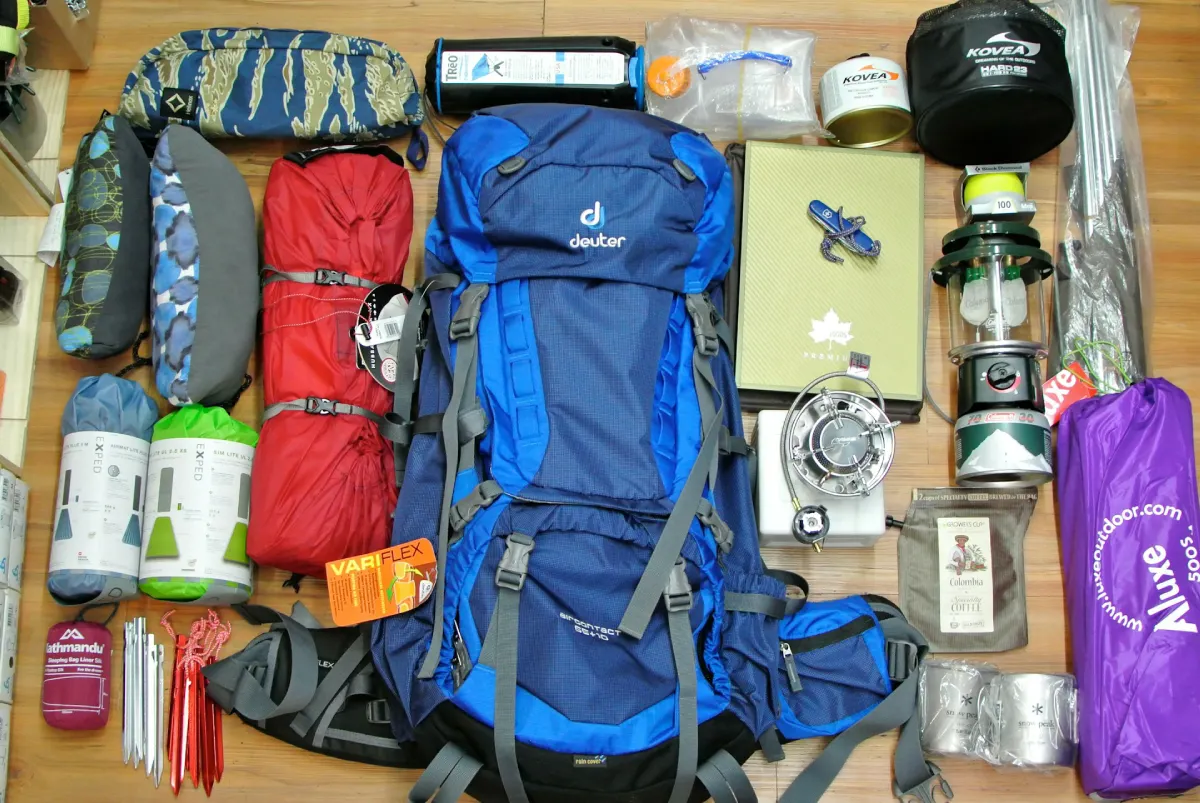
Planning the Annapurna Base Camp Trek? Packing the right gear can make the difference between a comfortable Himalayan adventure and a challenging experience. From warm clothing and proper footwear to essential documents and medical supplies, this comprehensive packing guide covers everything you need to bring for a safe and enjoyable journey to Annapurna Base Camp.
The Annapurna Base Camp Trek is one of Nepal’s most iconic trekking adventures, attracting thousands of trekkers every year. The journey takes you through traditional Gurung and Magar villages, dense rhododendron forests, terraced farmlands, and alpine landscapes before reaching the spectacular Annapurna Base Camp at an altitude of 4,130 meters (13,550 feet).
Although the trek is considered moderately difficult, the changing weather, varying temperatures, and increasing altitude make proper preparation essential. One of the most important aspects of preparing for the trek is knowing what to pack and what to leave behind.
Packing too much can make your trek unnecessarily difficult, while forgetting essential gear can lead to discomfort and even safety concerns. This comprehensive Annapurna Base Camp Trek Packing List covers everything you need to ensure a safe, comfortable, and enjoyable trekking experience.
Annapurna Base Camp Trek Packing List at a Glance
| Category | Recommendation |
| Trek Duration | 7-12 Days |
| Highest Elevation | 4,130 m (13,550 ft) |
| Trek Difficulty | Moderate |
| Best Seasons | Spring (March-May) and Autumn (September-November) |
| Recommended Backpack Weight | 8-12 kg |
| Sleeping Bag Rating | -10°C to -15°C |
| Essential Gear | Down jacket, trekking boots, trekking poles, thermal layers, rain gear, and first-aid kit |
What Should You Pack for the Annapurna Base Camp Trek?
For the Annapurna Base Camp Trek, you should pack layered clothing, waterproof trekking boots, a warm down jacket, thermal wear, a sleeping bag rated for -10°C to -15°C, trekking poles, a first-aid kit, water purification tablets, and important documents such as your passport, permits, and travel insurance.
Why Your Packing List Matters for the Annapurna Base Camp Trek
The Annapurna region experiences four distinct seasons, and temperatures can vary dramatically depending on altitude and time of day.
For example:
- During the daytime at lower elevations like Ghandruk and Chhomrong, temperatures can reach 20°C.
- At Annapurna Base Camp, nighttime temperatures can drop below -10°C, especially in winter.
- Weather can change rapidly, with sunny mornings turning into snowy or rainy afternoons.
Packing appropriately helps you:
- Stay warm and comfortable.
- Reduce the risk of altitude-related illnesses.
- Protect yourself from rain, snow, and strong UV rays.
- Prevent injuries and blisters.
- Enjoy the trek without carrying unnecessary weight.
Understanding Weather Conditions on the Annapurna Base Camp Trek
Spring (March-May)
Spring is one of the best seasons for the Annapurna Base Camp Trek. The weather is stable, and the rhododendron forests are in full bloom.
Temperature Range:
- Daytime: 10°C to 20°C
- Nighttime: -5°C to 5°C
Additional Packing:
- Light fleece jacket
- Sunglasses
- Sunscreen
- Lightweight gloves
Summer/Monsoon (June-August)
The monsoon brings frequent rainfall and humid conditions. Trails can become muddy and slippery.
Temperature Range:
- Daytime: 15°C to 25°C
- Nighttime: 5°C to 12°C
Additional Packing:
- Waterproof jacket
- Rain pants
- Gaiters
- Quick-dry clothing
- Waterproof bags
Autumn (September-November)
Autumn is the most popular trekking season due to clear skies and excellent mountain views.
Temperature Range:
- Daytime: 10°C to 18°C
- Nighttime: -5°C to 5°C
Additional Packing:
- Warm fleece
- Down jacket
- Wool hat
- Extra pair of socks
Winter (December-February)
Winter offers peaceful trails and snow-covered landscapes but requires extra preparation.
Temperature Range:
- Daytime: 5°C to 12°C
- Nighttime: -15°C or lower
Additional Packing:
- Heavy down jacket
- Thermal layers
- Insulated gloves
- Thick socks
- Hand warmers
Seasonal Packing Requirements for the Annapurna Base Camp Trek
| Item | Spring | Summer | Autumn | Winter |
| Down Jacket | ✓ | Optional | ✓ | ✓✓ |
| Rain Gear | Optional | Essential | Optional | Optional |
| Thermal Layers | ✓ | Optional | ✓ | ✓✓ |
| Gaiters | Optional | ✓ | Optional | ✓ |
| Hand Warmers | No | No | Optional | ✓ |
How Much Weight Should You Carry?
A common mistake among first-time trekkers is overpacking.
Recommended Backpack Weight
| Trekking Style | Recommended Weight |
| Independent Trekker | 8-12 kg |
| With Porter | 5-7 kg |
In Nepal, a porter usually carries up to 20-25 kg shared between two trekkers, allowing you to carry only a small daypack with daily essentials.
Essential Documents for the Annapurna Base Camp Trek
Passport and Visa
Carry your original passport and a few photocopies.
Annapurna Conservation Area Permit (ACAP)
This permit is mandatory for entering the Annapurna Conservation Area.
TIMS Card
Depending on current regulations and whether you are trekking independently or with an agency, a TIMS card may also be required.
Travel Insurance
Choose an insurance policy that covers:
- High-altitude trekking above 4,000 meters
- Emergency helicopter evacuation
- Medical expenses
- Trip cancellation
Cash
ATMs are unavailable once you begin the trek. Carry enough Nepali Rupees to cover:
- Meals
- Charging fees
- Hot showers
- Snacks
- Wi-Fi services
- Tips for guides and porters
Choosing the Right Backpack
Main Backpack (40-60 Liters)
A 40-60 liter backpack is sufficient for most trekkers.
Look for:
- Padded hip belt
- Adjustable shoulder straps
- Multiple compartments
- Rain cover
Daypack (20-30 Liters)
Carry:
- Water bottles
- Snacks
- Camera
- Extra layer
- Personal medicines
Duffel Bag
If you hire a porter, your belongings are usually packed in a duffel bag provided by your trekking company.
Clothing Packing List for the Annapurna Base Camp Trek
The key to dressing comfortably in the Himalayas is the three-layer system.
Base Layers
These help wick moisture away from your skin.
Pack:
- 2 thermal tops
- 2 thermal bottoms
- 3 quick-dry T-shirts
Mid Layers
These provide insulation.
Pack:
- Fleece jacket
- Lightweight insulated jacket
Outer Layers
These protect you from wind and rain.
Pack:
- Waterproof jacket
- Waterproof pants
- Windproof shell
Trekking Pants
Pack:
- 2 trekking pants
- 1 comfortable pair for evenings
Convertible pants are a great option for changing temperatures.
Down Jacket
A good-quality down jacket is essential above 3,000 meters.
You can rent one in Kathmandu or Pokhara if you don’t want to purchase your own.
Underwear and Socks
Pack:
- 4-5 pairs of underwear
- 3-4 pairs of hiking socks
- 1-2 thermal socks
Merino wool socks are highly recommended because they keep your feet warm and dry.
Gloves and Headwear
Pack:
- Inner gloves
- Waterproof gloves
- Sun hat
- Wool hat
- Neck gaiter or buff
A buff is particularly useful because it can protect you from cold winds, dust, and strong sunlight.
Footwear for the Annapurna Base Camp Trek
Trekking Boots
Your boots should be:
- Waterproof
- Comfortable
- Breathable
- Well broken-in
Never wear brand-new boots on the trek, as they often cause painful blisters.
Camp Shoes
A pair of lightweight sandals or sneakers is perfect for evenings in teahouses.
Gaiters
Gaiters are especially useful during:
- Winter snow
- Monsoon conditions
- Muddy trails
Sleeping Gear
Sleeping Bag
Even though teahouses provide blankets, temperatures can get extremely cold.
A sleeping bag rated between -10°C and -15°C is recommended.
Sleeping Bag Liner
Benefits:
- Adds warmth
- Improves hygiene
- Protects your sleeping bag
Earplugs and Eye Mask
Teahouses often have thin walls and shared rooms, making these items surprisingly useful.
Essential Trekking Equipment and Accessories
Trekking Poles
Trekking poles reduce pressure on your knees, particularly during long descents.
Headlamp
Useful for:
- Early morning hikes
- Power outages
- Nighttime bathroom visits
Water Bottles
Carry enough capacity for at least 2 liters of water.
Water Purification Tablets
Purchasing bottled water on the trek can be expensive and creates unnecessary plastic waste.
Water purification tablets or a filtration bottle are environmentally friendly alternatives.
Sunglasses
Choose sunglasses with UV protection to protect your eyes from intense mountain sunlight.
Electronics and Gadgets
Pack:
- Mobile phone
- Camera
- Power bank
- Charging cables
- Universal adapter
- Spare batteries
- Memory cards
Electricity is available in most teahouses but often comes with an additional fee.
Toiletries and Personal Care Items
Bring travel-sized toiletries.
Checklist:
- Toothbrush
- Toothpaste
- Soap
- Shampoo
- Wet wipes
- Toilet paper
- Sunscreen (SPF 50+)
- Lip balm
- Moisturizer
- Hand sanitizer
- Nail clipper
At higher altitudes, your skin and lips can become extremely dry, making moisturizer and lip balm essential.
First Aid and Medical Kit
A small medical kit can save your trek.
Pack:
- Prescription medicines
- Diamox
- Pain relievers
- Bandages
- Blister treatment
- Antiseptic cream
- Oral rehydration salts
- Anti-diarrheal medicine
- Cold medicine
Always consult a healthcare professional before using altitude medication.
Snacks and Energy Foods
Food is readily available in teahouses, but carrying additional snacks can help maintain your energy levels.
Recommended snacks:
- Energy bars
- Chocolate
- Nuts
- Dried fruits
- Electrolyte tablets
- Protein bars
Women’s Packing List for the Annapurna Base Camp Trek
Additional items may include:
- Sports bras
- Feminine hygiene products
- Extra base layers
- Hair ties
- Personal medications
- Moisturizer
Things You Should Not Pack
Avoid carrying:
- Heavy books
- Excessive clothing
- Hair dryers
- Large bottles of toiletries
- Too many gadgets
- Expensive jewelry
- Large suitcases
Every extra kilogram becomes noticeable during long days of trekking.
Complete Annapurna Base Camp Trek Packing Checklist
| Category | Essential Items |
| Documents | Passport, Permits, Insurance |
| Clothing | Thermals, Down Jacket, Fleece |
| Footwear | Trekking Boots, Sandals |
| Equipment | Trekking Poles, Headlamp |
| Electronics | Phone, Power Bank |
| Toiletries | Sunscreen, Soap |
| Medical | First Aid Kit |
| Snacks | Energy Bars, Nuts |
Final Thoughts
Packing smart is one of the most important steps in preparing for the Annapurna Base Camp Trek. The right clothing, equipment, and accessories can significantly improve your comfort and safety on the trail.
Focus on lightweight, multi-purpose gear and avoid overpacking. Plan your packing list according to the season, trekking style, and personal needs.
With proper preparation and this complete Annapurna Base Camp Trek Packing List, you’ll be fully equipped to enjoy one of Nepal’s most spectacular Himalayan adventures and create unforgettable memories in the Annapurna region.
Frequently Asked Questions
Can I rent trekking gear in Nepal?
Yes. Kathmandu and Pokhara have many shops where you can rent:
- Down jackets
- Sleeping bags
- Trekking poles
- Duffel bags
How cold does Annapurna Base Camp get?
Winter temperatures can fall below -15°C, while spring and autumn nights typically range between -5°C and 0°C.
Do I need a sleeping bag?
Yes. A sleeping bag provides additional warmth and comfort, especially during colder months.
Is hiring a porter necessary?
No, but many trekkers find it helpful because it reduces physical strain and allows them to enjoy the trek more comfortably.
What size backpack should I bring?
A 40-60 liter backpack is ideal for most trekkers.
Related Blogs & Articles
October 2, 2026
Best Time for Everest Base Camp Trek

August 31, 2026