

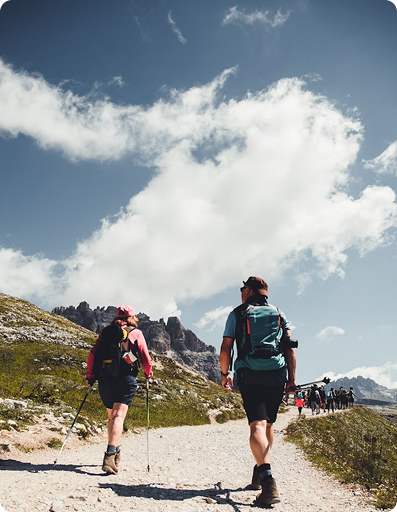
- Be Prepared
Train for several weeks before arriving in Nepal. Jogging, stair climbing, or hiking 15-16 km daily will strengthen your knees and ankles, making the trek more comfortable and rewarding. Nepal’s trails are steep and rugged – good physical condition is essential.
- Choose an Authorized Company
With thousands of trekking agencies in Nepal, safety depends on choosing a licensed and insured company. Always check:
- Government registration
- Staff insurance against accidents
- Affiliation with recognized organizations
- Safety on the Trail
- Walk in groups and follow your guide.
- Be cautious when taking photos – never step backward blindly.
- Stay on the uphill side when animals or porters pass.
- Stretch before trekking and avoid walking at night.
- Carry joint support if needed and keep a personal first‑aid kit.
- Respect People and Culture
- Dress modestly and avoid public displays of affection.
- Use two hands when giving or receiving.
- Ask permission before photographing people or religious sites.
- Remove shoes before entering temples, monasteries, or stupas.
- Walk clockwise around sacred sites.
- Stay quiet and respectful near religious places.
- Stop Pollution
- Carry out all waste.
- Use iodine tablets instead of buying bottled water.
- Use toilets where available; if not, bury waste far from water sources.
- Dispose of garbage properly – even biodegradable waste should not be left above 4,000m.
- Protect Wildlife
- Do not disturb or harm animals and plants.
- Avoid buying souvenirs made from wildlife parts.
Travel Documents
Passport & Visa
Carry valid documents, keep copies of your passport and visa pages.
Travel Insurance (Mandatory)
Choose a policy that covers:
- Theft, loss, and medical emergencies
- Trekking and high‑altitude activities
- Emergency repatriation, including helicopter evacuation
- Medical evacuation to Bangkok or Delhi if necessary
Note: Kindly provide a copy of your insurance to your trekking agency. During the trek, keep your insurance policy number with you and inform your insurer about your planned route and the highest altitude you plan, expect to reach.
Credit Card (Optional)
Useful in emergencies, especially for evacuation costs.
