

October 10, 2025
Altitude Sickness/Acute Mountain Sickness (AMS)
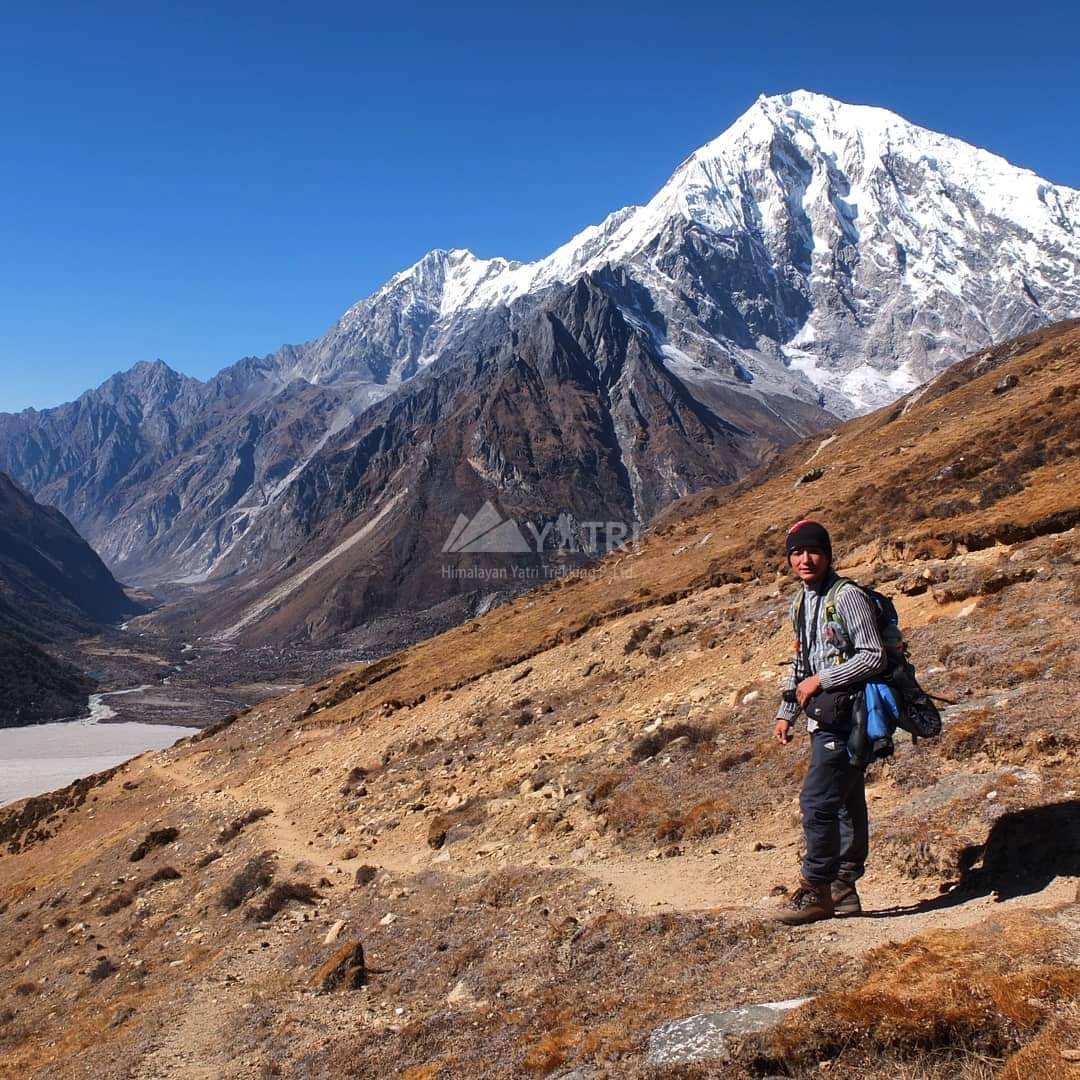
Altitude sickness is one of the biggest concerns for trekkers, climbers, and travelers visiting high-altitude destinations. Whether you are trekking in Nepal, exploring the Himalayas, or visiting mountain regions anywhere in the world, understanding altitude sickness can protect your health and even save your life.
Many people underestimate how quickly altitude can affect the body. Even fit and healthy individuals can experience altitude sickness. The good news is that with the right knowledge, preparation, and precautions, altitude sickness is largely preventable.
This complete guide explains what altitude sickness is, its causes, symptoms, prevention tips, and treatment options.
What is Altitude Sickness?
Altitude sickness, also called Acute Mountain Sickness (AMS), refers to health problems caused by reduced oxygen levels at high elevations. As altitude increases, the air pressure drops and less oxygen is available for your body.
Your body needs time to adjust to these lower oxygen levels. When you ascend too quickly without proper acclimatization, you may develop altitude sickness.
Altitude sickness usually occurs at elevations above 2,500 meters (8,200 feet). However, some people may experience symptoms even at lower heights.
How Common is Altitude Sickness?
Altitude sickness is more common than many travelers realize:
- About 25% of people who live at sea level develop altitude sickness when visiting elevations between 2,500–3,000 meters
- Around 50% of people may experience AMS above 3,500 meters
- The risk increases further above 4,000 meters
Importantly, altitude sickness does not depend on age, gender, or fitness level. Anyone can get it.
Why Does Altitude Sickness Happen?
At high altitude:
- Air pressure decreases
- Oxygen levels drop
- Your body receives less oxygen with each breath
This forces your body to work harder. Your heart rate increases, breathing becomes faster, and fluid balance can change. If your body cannot adapt quickly enough, altitude sickness develops.
Rapid ascent, dehydration, alcohol use, and overexertion can increase the risk.
Types of Altitude Sickness
Altitude sickness can range from mild to life-threatening. There are three main types:
1. Acute Mountain Sickness (AMS)
This is the most common and mildest form. Symptoms often feel like a hangover and include headache, nausea, and fatigue.
2. High Altitude Pulmonary Edema (HAPE)
This is a serious condition where fluid builds up in the lungs. It can make breathing extremely difficult and is a medical emergency.
3. High Altitude Cerebral Edema (HACE)
This occurs when the brain swells due to lack of oxygen. It is life-threatening and requires immediate descent and medical attention.
Both HAPE and HACE typically occur above 4,000 meters and must never be ignored.
Signs and Symptoms of Altitude Sickness
Recognizing symptoms early is crucial. Common symptoms include:
Mild to Moderate Symptoms
- Headache
- Feeling tired or weak
- Dizziness
- Loss of appetite
- Nausea or vomiting
- Difficulty sleeping
- Shortness of breath during activity
- Mood changes
- Feeling lazy or low energy
Severe Symptoms
- Severe headache
- Persistent vomiting
- Double or blurred vision
- Confusion or poor coordination
- Trouble breathing even at rest
- Chest tightness
- Blue or pale lips
- Extreme fatigue
If symptoms worsen, immediate descent is necessary.
Best Ways to Prevent Altitude Sickness
Prevention is always better than treatment. The best prevention method is proper acclimatization.
1. Ascend Gradually
Do not climb too high too quickly. Once above 3,000 meters:
- Increase sleeping elevation by no more than 300–500 meters per day
- Take a rest day every 3–4 days
2. Follow “Walk High, Sleep Low”
A golden rule in trekking:
- Climb higher during the day but return to sleep at a lower altitude.
This helps your body adjust safely.
3. Stay Hydrated
Drink plenty of fluids. Dehydration can worsen symptoms. Warm soups and hot drinks are helpful in cold mountain environments.
4. Eat Properly
Even if you lose appetite, try to eat. Choose:
- Light meals
- Carbohydrate-rich foods
- Low-fat and low-protein foods
These are easier to digest at altitude.
5. Avoid Alcohol and Smoking
Alcohol and smoking reduce oxygen efficiency and can worsen symptoms.
6. Do Not Overexert
Take it slow. Trek at a comfortable pace and avoid pushing your limits.
Treatment of Altitude Sickness
If altitude sickness occurs, take it seriously.
1. Stop and Rest
- Do not continue ascending if symptoms appear. Rest at the same altitude.
2. Descend
Descending is the most effective treatment.
- Go down at least 1,000 meters from where symptoms began
- Even a small descent can bring relief
Never ignore worsening symptoms.
3. Oxygen Support
- Supplemental oxygen can help in severe cases if available.
4. Stay Warm and Hydrated
- Drink hot liquids and keep your body warm to maintain circulation.
Medication for Altitude Sickness
Diamox (Acetazolamide)
Diamox is commonly used for preventing and treating altitude sickness. It helps your body acclimatize faster.
Benefits:
- Speeds up altitude adjustment
- Reduces symptoms duration
- Helps prevent AMS
Possible Side Effects:
- Tingling or numbness in hands and feet
- Frequent urination
- Nausea
- Sleepiness
- Vision changes
- Altered taste for carbonated drinks
Always consult a doctor before using medication.
When to Seek Immediate Help
Descend immediately and seek medical help if someone experiences:
- Severe breathlessness
- Confusion or inability to walk properly
- Loss of consciousness
- Persistent vomiting
- Symptoms getting worse instead of better
These may indicate HAPE or HACE, which can be fatal if untreated.
Who is at Higher Risk?
Some people are more vulnerable:
- Travelers flying directly to high altitudes
- People who ascend rapidly
- Those with previous AMS history
- Individuals with lung or heart conditions
- Dehydrated or exhausted trekkers
Even experienced climbers are not immune.
Practical Tips for Trekkers
- Plan extra acclimatization days
- Choose experienced guides
- Monitor symptoms daily
- Trek with a group
- Learn basic altitude illness signs
- Carry a first-aid kit and medicines
Preparation is key to safe trekking.
Final Thoughts
Altitude sickness is a serious but manageable risk for anyone traveling to high elevations. The key to safety is awareness, gradual ascent, and listening to your body.
Remember:
- Do not rush your climb
- Acclimatize properly
- Stay hydrated and nourished
- Descend if symptoms worsen
Mountains are beautiful but demand respect. With the right approach, you can enjoy high-altitude adventures safely and comfortably.
Note: You shouldn’t take Diamox® if you have allergic to sulfa drugs.
Related Blogs & Articles
February 6, 2026
Best Treks from Pokhara in 2026: The Complete Guide
October 10, 2025
Accommodation, Meals in Cities & During Treks
October 10, 2025
